
What North Carolina homes are up against.
NOAA National Centers for Environmental Information, Storm Events Database, bulk CSV export, events 2015-01-01 through 2024-12-31. · U.S. Census Bureau, 2020-2024 American Community Survey 5-Year Estimates
A furnace that starts and stops for months on end wears at the ignition system and the heat exchanger differently than one that only fires up on the coldest nights. Homes in North Carolina run heat about seven months a year, from October through April. That kind of stretch gives a weak igniter or a cracked heat exchanger plenty of chances to show itself before the season is over, rather than failing quietly and going unnoticed until next year. A furnace working that hard needs the burner and the venting checked before the runs pile up, not after something already quit.

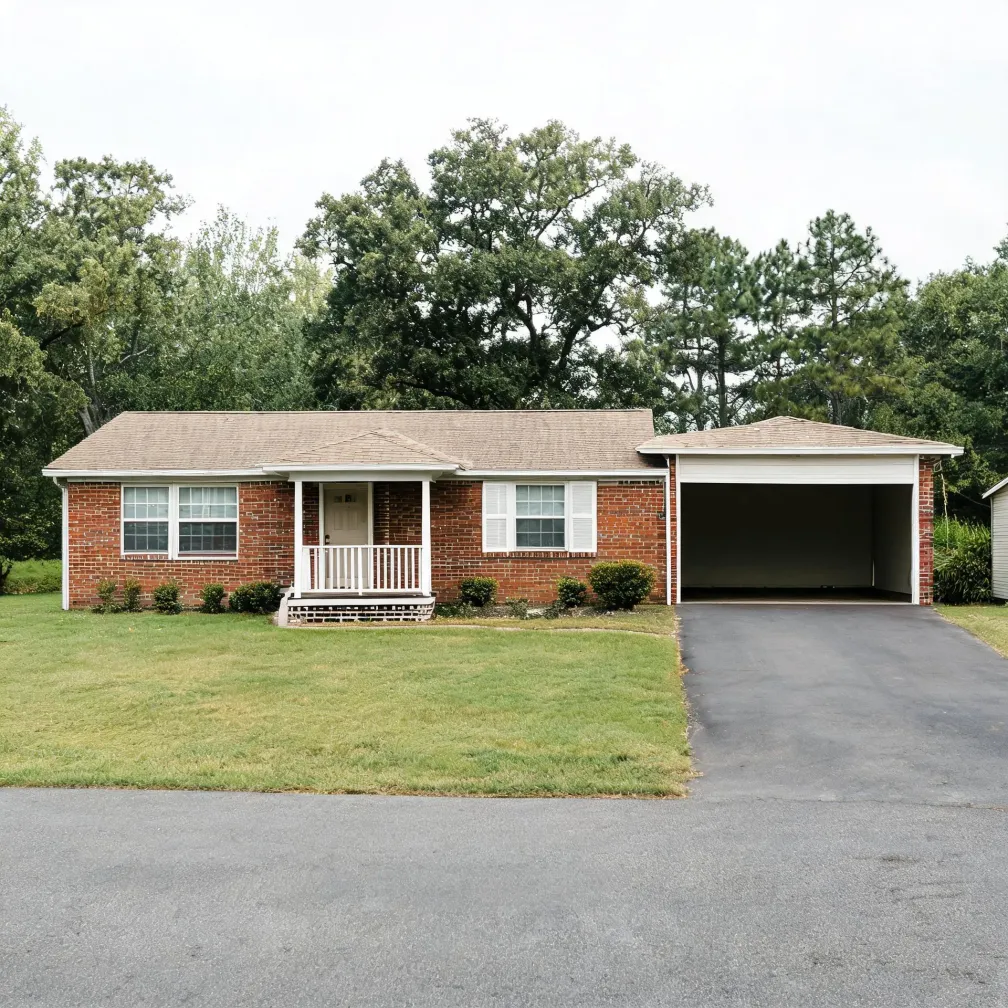
A contractor replacing a furnace or air handler is not just swapping one box for another. The ducts running through the house and the circuit feeding the unit were sized for whatever was there before, not for the system going in now. Half the homes in North Carolina were built in 1991 or earlier (2020-2024 ACS 5-year). That means a contractor working almost anywhere in the state is as likely as not to be opening up a house where the duct sizing and the wiring predate the equipment being installed. The only way to know if they still match is to open the panel, measure the run, and check the return before ordering anything.
Does where you live in North Carolina strain your HVAC system?
2015–2024 · Source: NOAA National Centers for Environmental Information, Storm Events Database.
An outdoor unit sits outside in all weather, and a county with a heavier storm record puts it in the path of wind, hail and heavy rain more often. A unit that gets knocked around or takes a direct hit can lose refrigerant, bend fins or come loose from its pad. Have a contractor check where the outdoor unit sits, how firmly it is anchored, and whether the cabinet or coil already show damage.
North Carolina requires HVAC contractors to hold a state license.
Licenses are issued by the State Board of Examiners of Plumbing, Heating and Fire Sprinkler Contractors.
Sources: North Carolina General Assembly · North Carolina State Board of Examiners of Plumbing, Heating and Fire Sprinkler Contractors