Heat Pump Repair in Jacksonville, NC
Homes here need heat from November through March and cooling from May through September. If your system quits, tell us what it's doing and a licensed contractor who covers Onslow County will get in touch.
Tell us about the job
It takes about a minute.
Ten months of work a year, and storms that cut the power
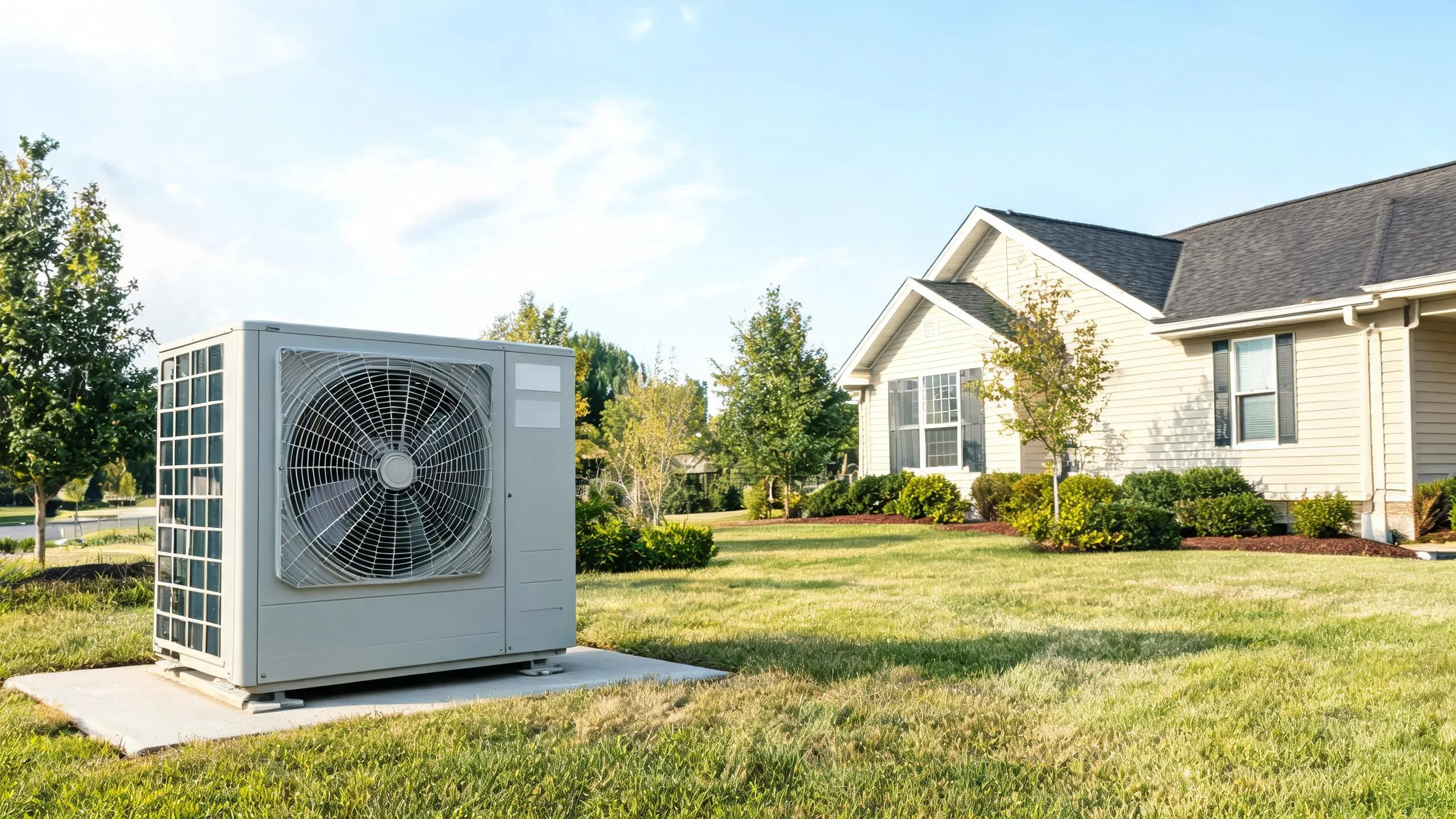
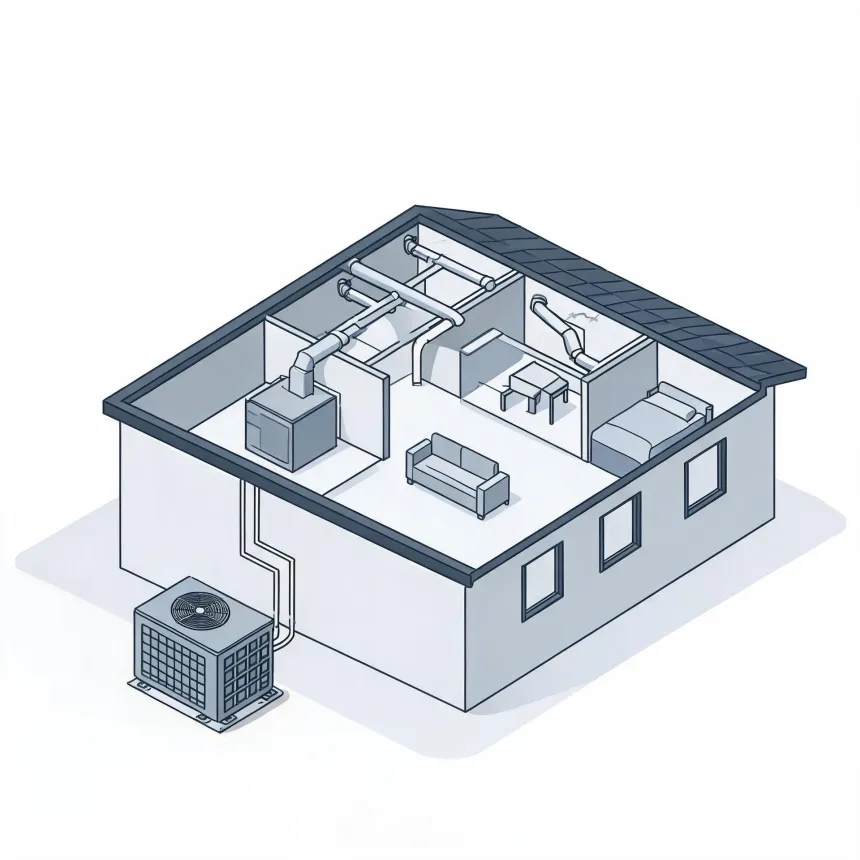
Your heat pump runs almost year round here, heat from November through March, cooling from May through September. That kind of runtime wears on the compressor and the outdoor fan motor harder than a system that gets months off.
Winter nights averaging 35°F put the system into the range where it has to work hardest to pull heat from the outside air, and with most homes here heating on electricity, a heat pump that struggles or trips off is the only thing standing between the house and the cold. The outdoor unit also takes the weather straight on. Sixty eight damaging wind events here over the past ten years mean the fan blades, the cabinet and the wiring running to it have been tested again and again. And when the power goes out, a heat pump that will not restart on its own is a common reason for a service call. A quarter of households in North Carolina lost power for a full day or more in 2024.
- 5 months
- November through March, your system heats
- 5 months
- May through September, it cools
- 35°F
- the average winter night it heats against
- 88°F
- the average summer afternoon it cools against
NOAA nClimDiv, 1991–2020 normals
North Carolina requires HVAC contractors to hold a state license.
North Carolina licenses HVAC contractors through the State Board of Examiners of Plumbing, Heating and Fire Sprinkler Contractors. The license belongs to the contractor, not to any single job. It's the same license whether they're installing a new system or repairing the one you already have.
A heat pump repair usually means opening up the refrigerant side of the system. Federal law requires whoever does that to hold EPA Section 608 certification, no matter what state they work in. On a job like this, the state license covers the contractor you hire, and the federal certification covers whoever actually handles the refrigerant.
Sources: North Carolina General Assembly · North Carolina State Board of Examiners of Plumbing, Heating and Fire Sprinkler Contractors
- Why is my heat pump blowing cold air?
- In winter, this usually means the system is stuck in defrost or auxiliary heat isn't kicking in when it should. A heat pump moves heat from the outside air, so on a 35°F night it naturally puts out air that feels cooler than a furnace would, even when it's working right. If the air feels cold rather than just cool, or the outdoor unit is running but nothing warm comes through the vents, the reversing valve or the auxiliary heat strips may not be working. A contractor licensed by the state board can check which one it is.
- Why is there ice on my heat pump?
- Some frost on the outdoor unit during winter is normal. Heat pumps run a defrost cycle to melt it off every so often. Ice becomes a problem when it builds up thick and stays, covering the coil or the fan. That points to low refrigerant, a defrost control that isn't cycling, or airflow blocked by leaves or debris around the unit. Only a technician with EPA Section 608 certification can open the refrigerant side to check the charge.
- Why is my heat pump running but not cooling?
- If the outdoor unit is running but the air coming out isn't cold, the system may be low on refrigerant, or the compressor may not be running even though the fan is. On an 88°F afternoon, a heat pump that's low on charge will struggle to keep up and may run long stretches without getting the house down to temperature. A dirty filter or blocked outdoor coil can also cut off the airflow the system needs to move heat. Checking refrigerant level requires EPA Section 608 certification, so this is a job for a licensed contractor.