
HVAC Repair in Chapel Hill, NC
Homes here need heat from October through April and cooling from May through September. If your system quits, tell us what it's doing and a licensed contractor who covers Orange County will get in touch.
Tell us about the job
It takes about a minute.
Heat then cooling, almost without a break
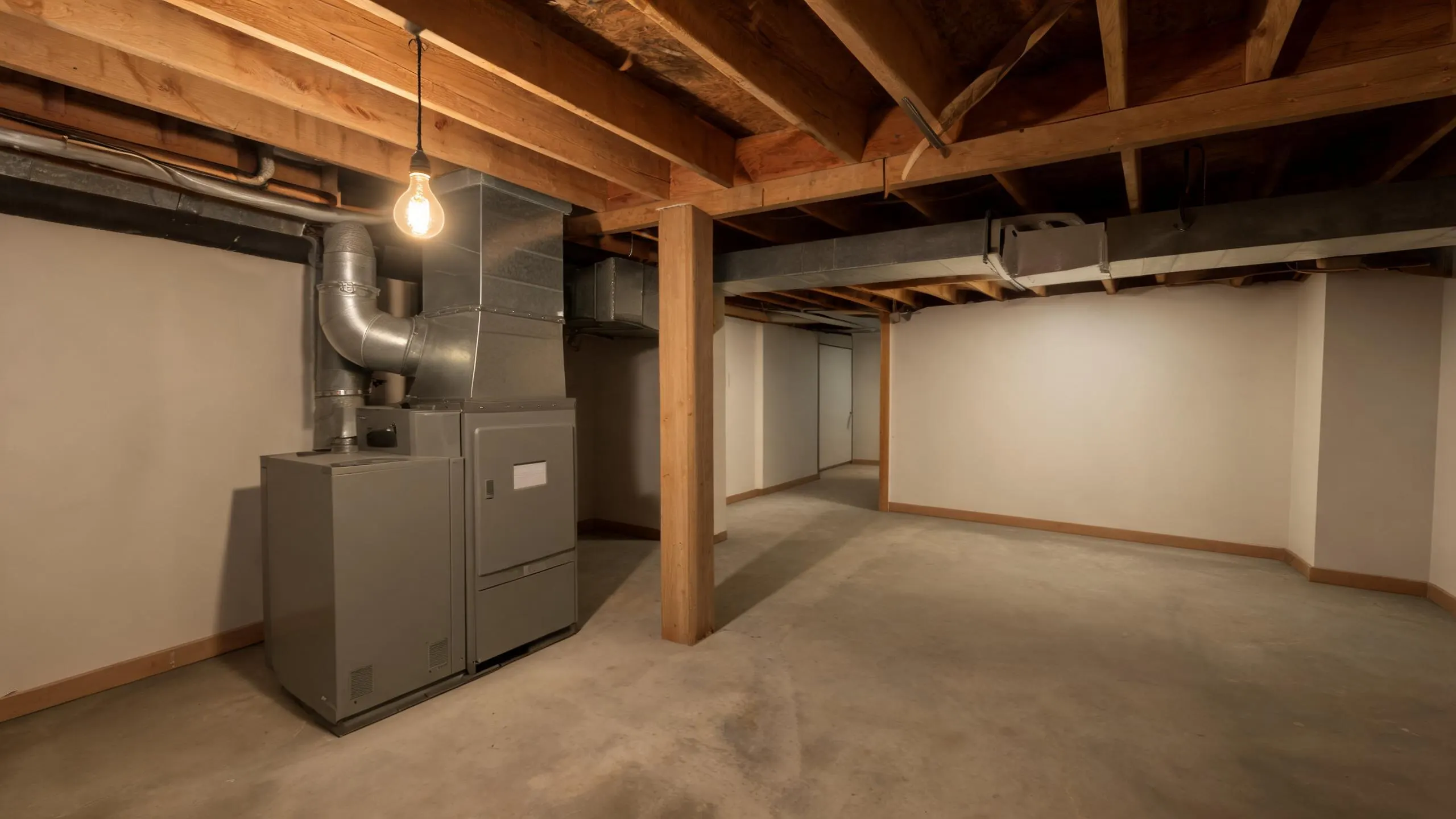
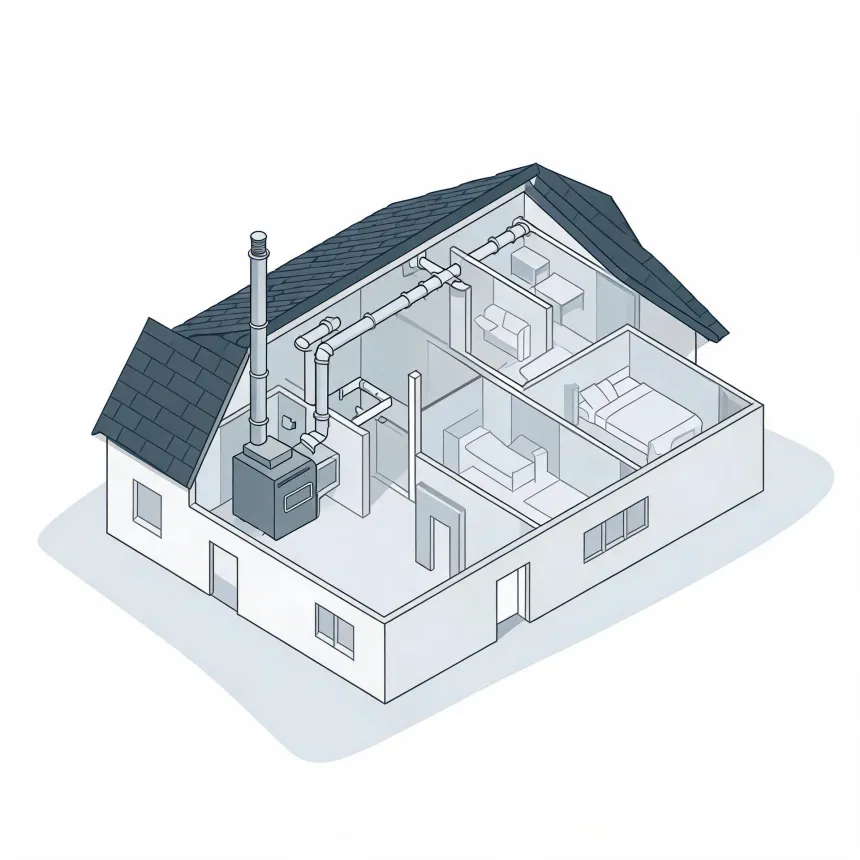
Chapel Hill runs its heating system October through April, then switches to cooling for May through September. That leaves the system little time to rest.
Winter nights here average 31°F, cold enough that a furnace or heat pump cycles on and off through the night to keep up. Summer afternoons average 87°F, and an air conditioner has to keep pulling that heat back out of the house day after day. Orange County has logged 121 damaging wind events and 8 winter storms over the past ten years, and in 2024, a quarter of North Carolina households lost power for at least 24 hours. Most systems come back on by themselves once power returns, but a storm that knocks out power on a cold night or a hot afternoon still leaves a house without heat or cooling until it does.
- 7 months
- October through April, your system heats
- 5 months
- May through September, it cools
- 31°F
- the average winter night it heats against
- 87°F
- the average summer afternoon it cools against
NOAA nClimDiv, 1991–2020 normals
North Carolina requires HVAC contractors to hold a state license.
The license comes from the State Board of Examiners of Plumbing, Heating and Fire Sprinkler Contractors. The board tests contractors before it licenses them, and it keeps a record of who holds one. That license belongs to the contractor, not to the job, so it does not expire between one repair and the next.
For a repair to your heating and cooling system, that license is what stands behind the person doing the work. It tells you the state has tested this contractor and has a record of them, which is more than a business filing or a county rule can tell you. Whatever the repair involves, the contractor working on it is required to hold that same state license.
Sources: North Carolina General Assembly · North Carolina State Board of Examiners of Plumbing, Heating and Fire Sprinkler Contractors
- Why is my heat not working?
- Start with the thermostat. Make sure it is set to heat and the setpoint is above room temperature, since a stray tap can knock it into cool or off. If the thermostat looks right, check the breaker for the furnace or air handler, because a tripped breaker will kill the system with no warning at all. Gas furnaces will also shut down if the pilot or igniter fails, and you may hear the system try to start and then stop. With winter nights here averaging 31°F, a furnace that quits can let a house get cold fast, so if the basics check out and it still will not heat, get a contractor out to look at it.
- Why is my system running but not cooling the house?
- The first thing to check is the air filter. A filter clogged with dust blocks airflow across the coil, and when that happens the coil can ice over and stop cooling the air even though the blower keeps running. Check the outdoor unit too, and clear away leaves, grass clippings or anything blocking the fins, since it needs open airflow to release the heat it pulls from inside. If the filter is clean and the outdoor unit is clear and you are still getting warm air, the system is likely low on refrigerant or has a failing part, and that needs a licensed contractor to diagnose.
- What can I check before calling for HVAC repair?
- Check the thermostat first, the batteries if it has them, and the mode and setpoint. Check the breaker panel for anything tripped, and check the filter, since a dirty filter causes more no-heat and no-cool calls than almost anything else. If you have a gas furnace, look for a pilot light out or an error code blinking on the control board, and write the code down if you see one. None of this fixes a broken part, but it saves time on the call and sometimes solves the problem outright.