
HVAC Installation in Burlington, NC
A new system here will heat from October through April and cool from May through September every year. Tell us about the house, and a licensed contractor who covers Alamance County will get in touch.
Tell us about the job
It takes about a minute.
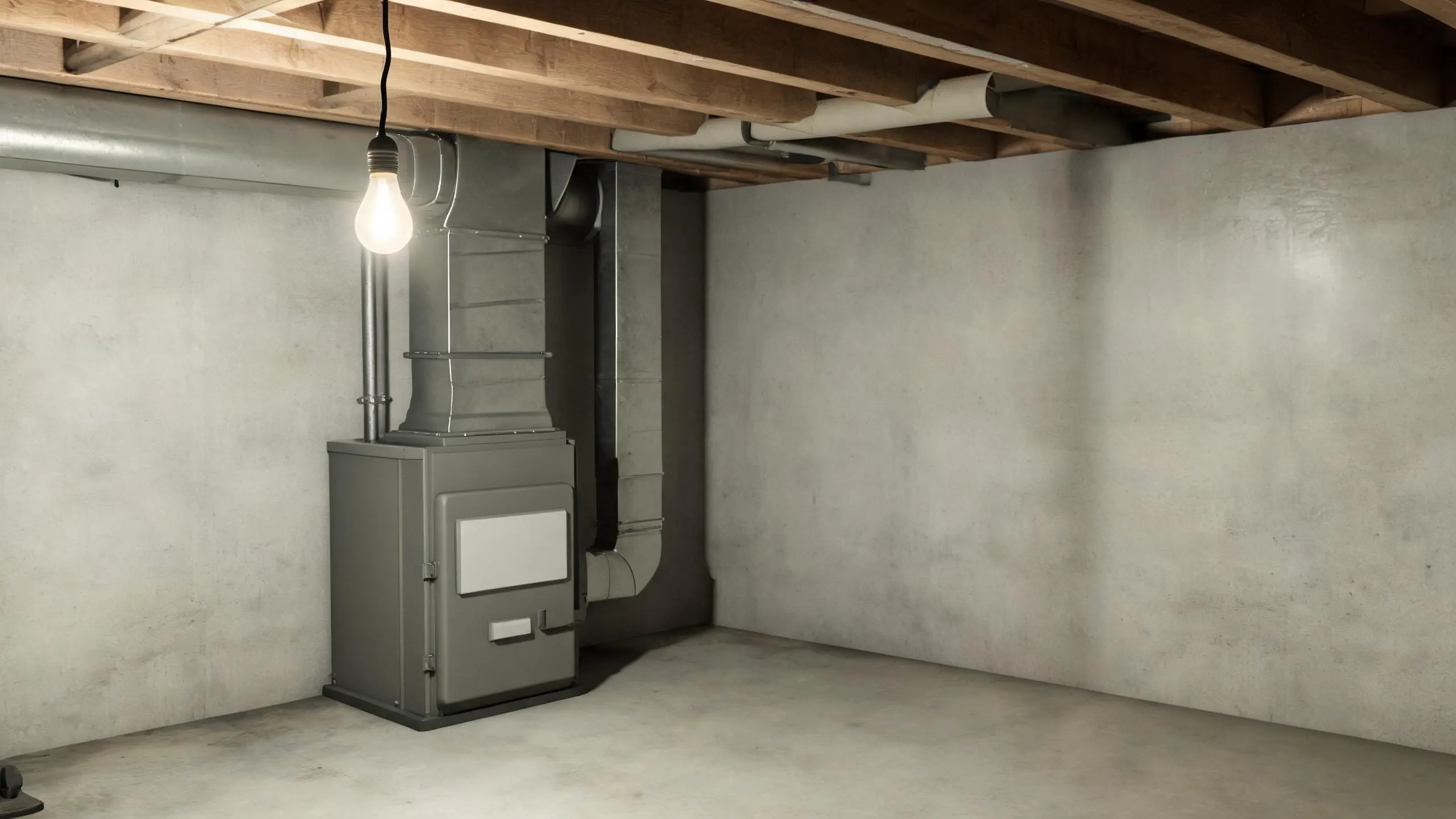
A new system here works almost year round
A furnace or heat pump in Alamance County works from October through April, and the air conditioner takes over from May through September. That is 12 months of the year with one or the other running. Winter nights average 31°F, cold enough that the heat runs most nights, and summer afternoons average 87°F, so the cooling side gets pushed too.
More than half the homes here heat with electricity, so a heat pump has to earn its keep in both seasons, not just one. The county has also seen 8 winter storms and 105 damaging wind events over the past ten years, and a quarter of North Carolina households lost power for at least a day in 2024. A new system installed here should be sized and set up for both a cold night and a hot afternoon, since it will see plenty of each.
- 7 months
- October through April, your system heats
- 5 months
- May through September, it cools
- 31°F
- the average winter night it heats against
- 87°F
- the average summer afternoon it cools against
NOAA nClimDiv, 1991–2020 normals
North Carolina requires HVAC contractors to hold a state license.
The license is held by the contractor, not issued job by job, so the state has already tested this business and keeps its name on file, not just the crew that shows up at your door. The State Board of Examiners of Plumbing, Heating and Fire Sprinkler Contractors keeps that record for anyone doing HVAC work in North Carolina, whether it's a repair or a full system swap.
Most cities and counties also require a permit for a job like this, with an inspection once the new system is in. The license tells you the contractor was tested and is on record with the state. The permit and inspection are separate, and they are what confirms this particular furnace and air conditioner were installed correctly.
Sources: North Carolina General Assembly · North Carolina State Board of Examiners of Plumbing, Heating and Fire Sprinkler Contractors
- When should I replace my HVAC system?
- Replace it when repairs start happening every year, or when a contractor tells you a major part is failing on a unit that has already had trouble before. Age matters too, and a contractor can tell you where yours stands once they see it. Rising energy bills with no other explanation are another sign the equipment is losing efficiency. Heat is needed here October through April and cooling May through September, so the system runs nearly all year, and a slow decline shows up fast in comfort and in the bill.
- Should I replace my furnace and air conditioner at the same time?
- If both are old, yes, it usually makes sense to do them together. A furnace and air conditioner installed at the same time are matched to work as one system, and replacing only one can leave you with mismatched equipment that does not perform or last as well. If one unit failed but the other is still in good shape, a contractor can tell you whether it is worth pairing them or replacing just the one that quit. Either way, both units see real work here, with 7 months of heating and 5 months of cooling every year.
- What happens during an HVAC installation?
- A contractor removes the old furnace and air conditioner, sets the new equipment, and connects it to the existing ducts, gas line or electrical circuit, and condensate drain. They check the ductwork and refrigerant line against what the new unit needs, and adjust or replace parts that do not match. Once everything is running, they test the system, check airflow and refrigerant charge, and set the thermostat. In most cities and counties here this work needs a permit and a final inspection, which the contractor typically handles as part of the job.