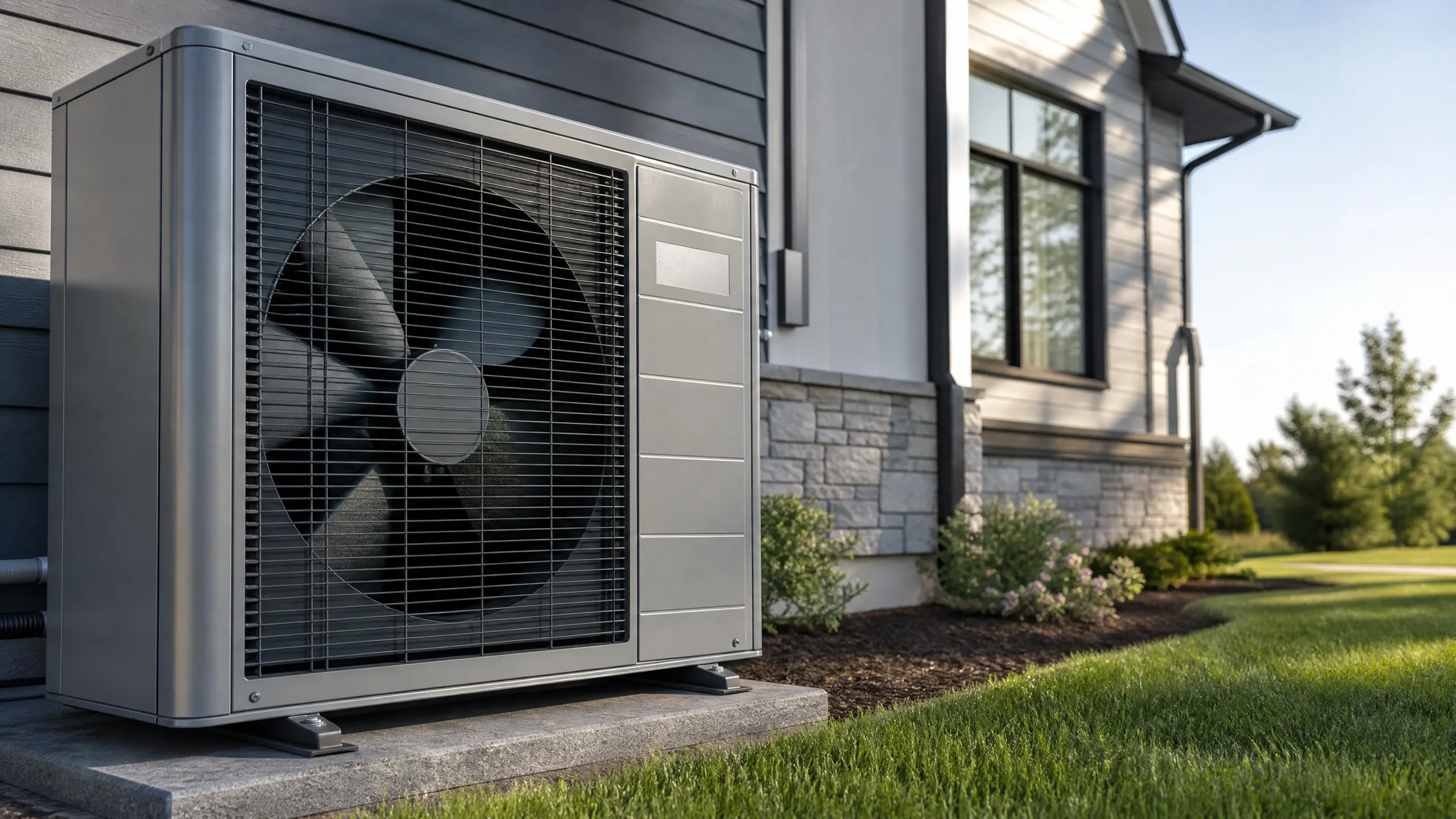
Heat Pump Repair in Indian Trail, NC
Homes here need heat from October through March and cooling from May through September. If your system quits, tell us what it's doing and a licensed contractor who covers Union County will get in touch.
Tell us about the job
It takes about a minute.
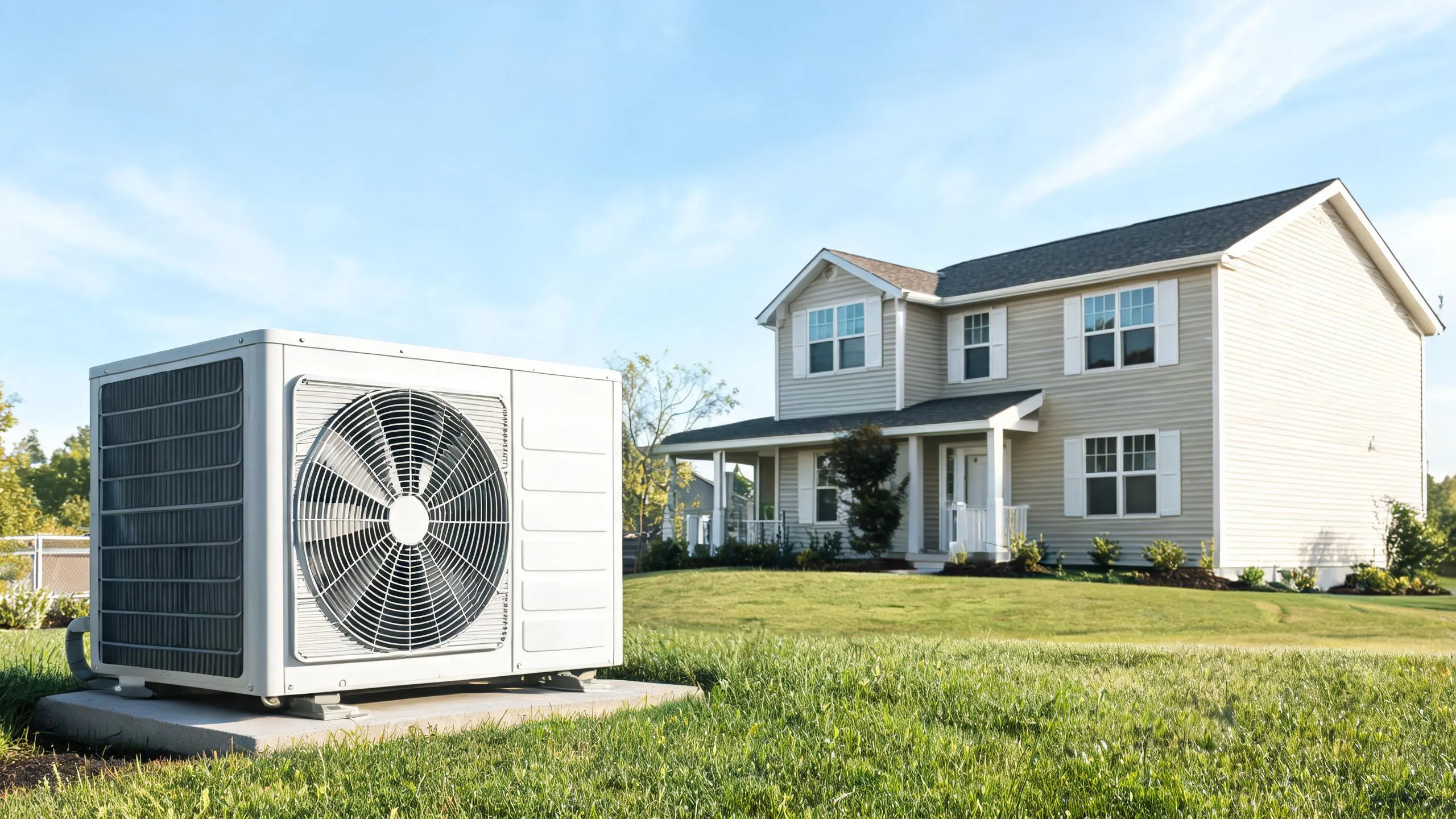
Your heat pump runs almost eleven months a year in Indian Trail
Homes here need heat from October through March, then cooling from May through September. That leaves your heat pump switching between the two with barely a break, and the reversing valve that handles that switch rarely gets to rest.
Winter nights average 33°F, cold enough that the system runs long stretches to keep up. Summer afternoons average 89°F, so the compressor works just as hard the other side of the year. Union County has logged 49 damaging wind events over the past ten years, and an outdoor unit sitting through that many storms takes hits from debris and flying branches. A quarter of North Carolina households lost power for at least a day in 2024, and a heat pump that cuts out mid-cycle and kicks back on is a system already worn from running nearly year round.
- 6 months
- October through March, your system heats
- 5 months
- May through September, it cools
- 33°F
- the average winter night it heats against
- 89°F
- the average summer afternoon it cools against
NOAA nClimDiv, 1991–2020 normals
North Carolina requires HVAC contractors to hold a state license.
That license comes from the State Board of Examiners of Plumbing, Heating and Fire Sprinkler Contractors. It means the state tested this contractor before letting them take HVAC jobs. The license is tied to the contractor, not to your repair specifically. The same license that qualified them for the last job is what qualifies them for yours.
A heat pump repair almost always means opening the refrigerant side of the system. For that, the technician also needs EPA Section 608 certification. That is a federal requirement, the same in every state, and it exists apart from the license. On this job the license says the state has tested and recorded this contractor. The federal certification says they are trained to handle refrigerant without venting it or mishandling the lines.
Sources: North Carolina General Assembly · North Carolina State Board of Examiners of Plumbing, Heating and Fire Sprinkler Contractors
- Why is my heat pump blowing cold air?
- In winter, this usually means the system is stuck in defrost mode or backup heat isn't kicking in when it should. A heat pump moves warm air from outside, so on a cold night down near 33°F, it can feel cool to the touch even when it's working right. If the air feels cold rather than just cool, or stays cold for more than a few minutes, the reversing valve or the backup heat strips may not be working. A contractor can test both.
- Why is there ice on my heat pump?
- Some frost during a winter defrost cycle is normal. The outdoor unit is supposed to build a light coating of frost, then melt it off automatically every so often. Thick ice that doesn't clear, or ice that builds up even when the unit isn't running, points to low refrigerant, a failed defrost control, or a fan motor that's not moving air across the coil. Since diagnosing that means opening the refrigerant side, it has to be a technician holding EPA Section 608 certification.
- Why is my heat pump running but not cooling?
- If the outdoor unit is running but the air coming out inside isn't cold, check the filter first. A clogged filter chokes off airflow across the indoor coil and the system can't pull heat out of the air the way it should, which matters most on a 89°F afternoon when the system is working hardest. If the filter is clean and it's still not cooling, low refrigerant or a failing compressor are the next likely causes, and both need a licensed contractor to check.