
HVAC Repair in Burlington, NC
Homes here need heat from October through April and cooling from May through September. If your system quits, tell us what it's doing and a licensed contractor who covers Alamance County will get in touch.
Tell us about the job
It takes about a minute.
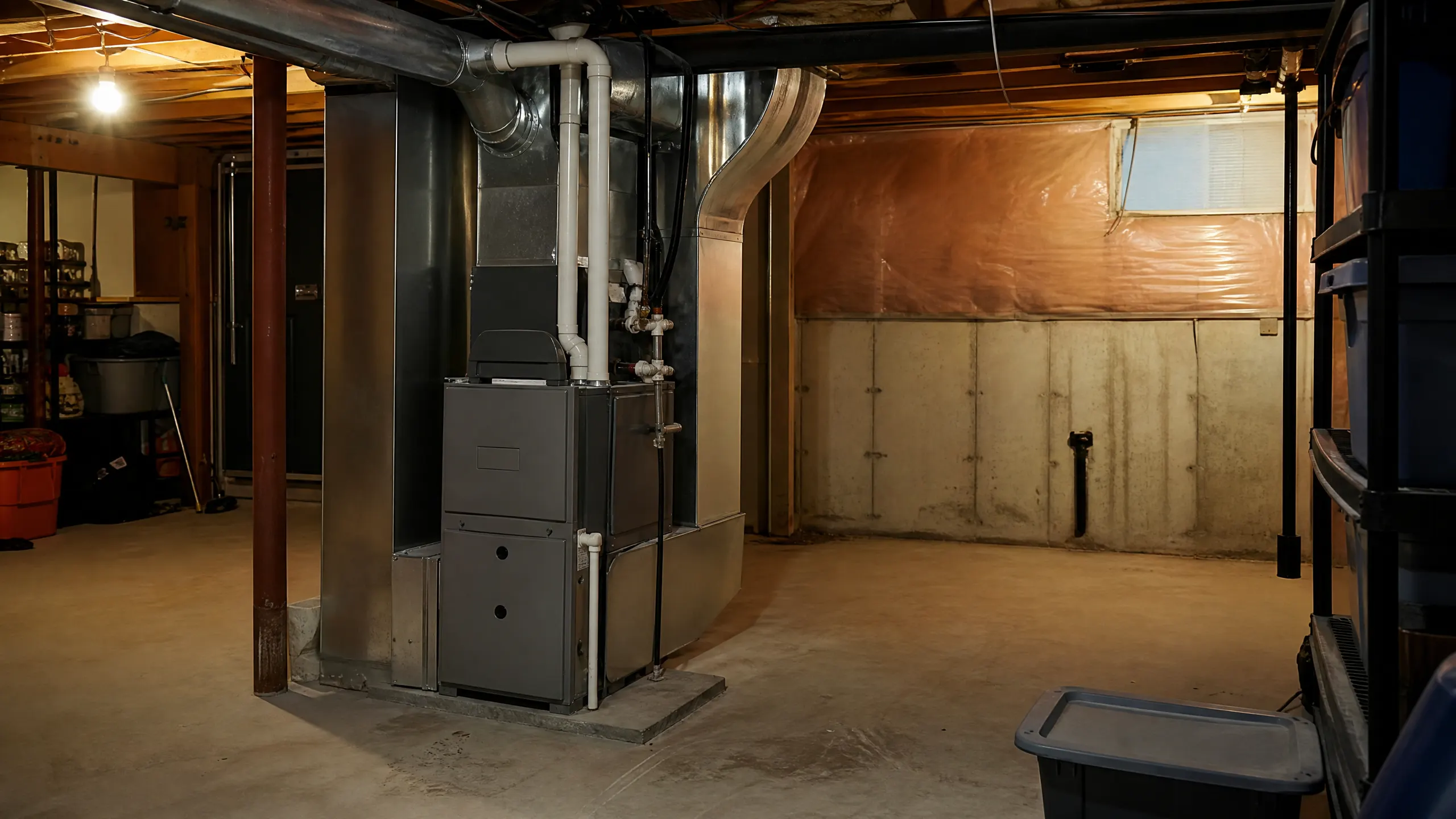
Alamance County runs its systems almost year round
Heat runs October through April here, then cooling takes over for May through September. That leaves your furnace and your air conditioner little time off, and each one wears on its own schedule. Winter nights averaging 31°F mean long, steady burner cycles, and summer afternoons near 87°F push the compressor hard for months at a stretch.
More than half the homes here heat with electricity, so a breaker problem or a bad heat strip shows up as a cold house, not just a quiet one. Alamance County has also logged 8 winter storms and 105 damaging wind events over the past ten years, and across North Carolina a quarter of households lost power for at least a day in 2024. When power drops and comes back, some systems need a hand to start again, and a homeowner who does not know that can be left thinking the repair failed when it is really just a reset waiting to happen.
- 7 months
- October through April, your system heats
- 5 months
- May through September, it cools
- 31°F
- the average winter night it heats against
- 87°F
- the average summer afternoon it cools against
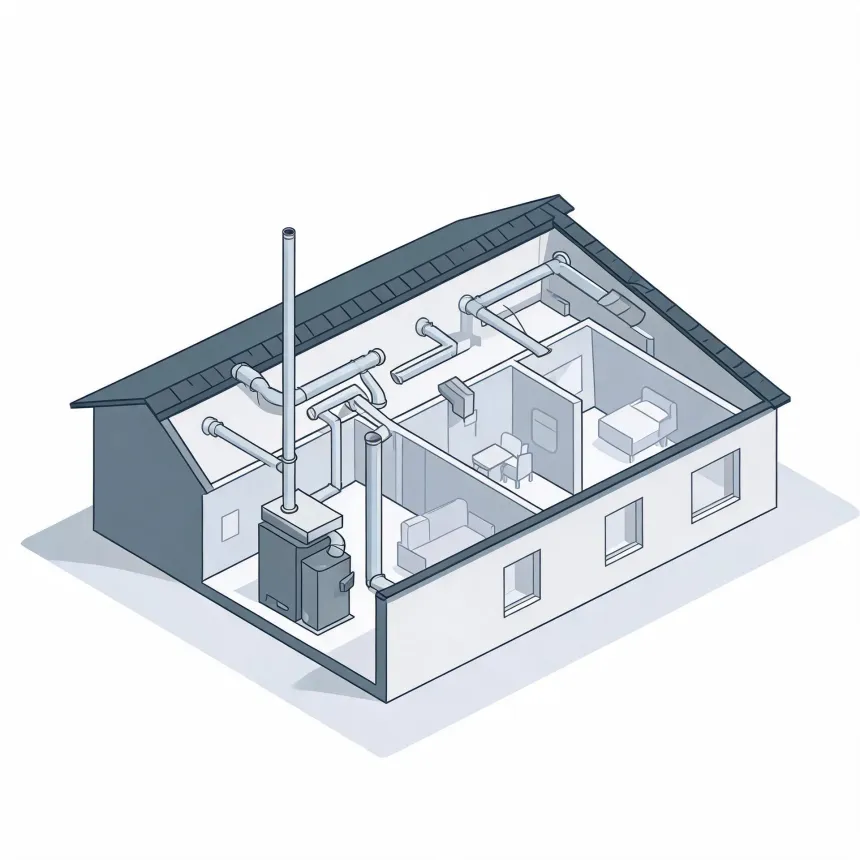
NOAA nClimDiv, 1991–2020 normals
North Carolina requires HVAC contractors to hold a state license.
The State Board of Examiners of Plumbing, Heating and Fire Sprinkler Contractors tests HVAC contractors before it licenses them and keeps a record of who holds one. That license belongs to the contractor, not to any one job, so the same license that covers a new install also covers a repair call.
For a repair on a heating and cooling system, the license is what North Carolina has on record for the contractor doing the work. It does not get issued job by job. It is a record that the contractor was tested and is known to the state.
Sources: North Carolina General Assembly · North Carolina State Board of Examiners of Plumbing, Heating and Fire Sprinkler Contractors
- Why is my heat not working?
- Start with the thermostat. Make sure it's set to heat and the temperature is set above the room temperature, since a setting bumped by accident is the simplest explanation. If that's not it, check the breaker for the furnace and, if you have a gas furnace, make sure the switch that looks like a light switch near the unit hasn't been flipped off. A furnace that turns on and then shuts off after a few minutes often has a dirty filter choking off airflow. If the furnace won't start at all, or it starts and shuts off repeatedly, that points to the igniter or a safety switch, and a licensed contractor will need to look at it. With average winter nights around 31°F here, a heating failure isn't something to sit on.
- Why is my system running but not cooling the house?
- The most common cause is a dirty air filter blocking airflow across the coil. Check it first and replace it if it's gray or clogged. If the filter is clean and the outdoor unit isn't running at all while the indoor blower is, the outdoor unit could have tripped its breaker or lost power. A system that runs constantly but never brings the house down to temperature, especially with summer afternoons here hitting 87°F, often means the coil is icing up or the refrigerant charge is low, and both of those need a licensed contractor to diagnose.
- What can I check before calling for HVAC repair?
- Check the thermostat first. Confirm it's set to the mode you want, heat or cool, and that the temperature setting actually calls for the system to run. Check the air filter next and replace it if it's dirty, since a clogged filter causes both heating and cooling complaints. Check the breaker for the furnace or the outdoor condenser, and if you have a gas furnace, check that the power switch near the unit is on. If the system still won't run right after that, a licensed contractor will need to look at it, and having noticed when the problem started and what the thermostat shows will help them get to the answer faster.