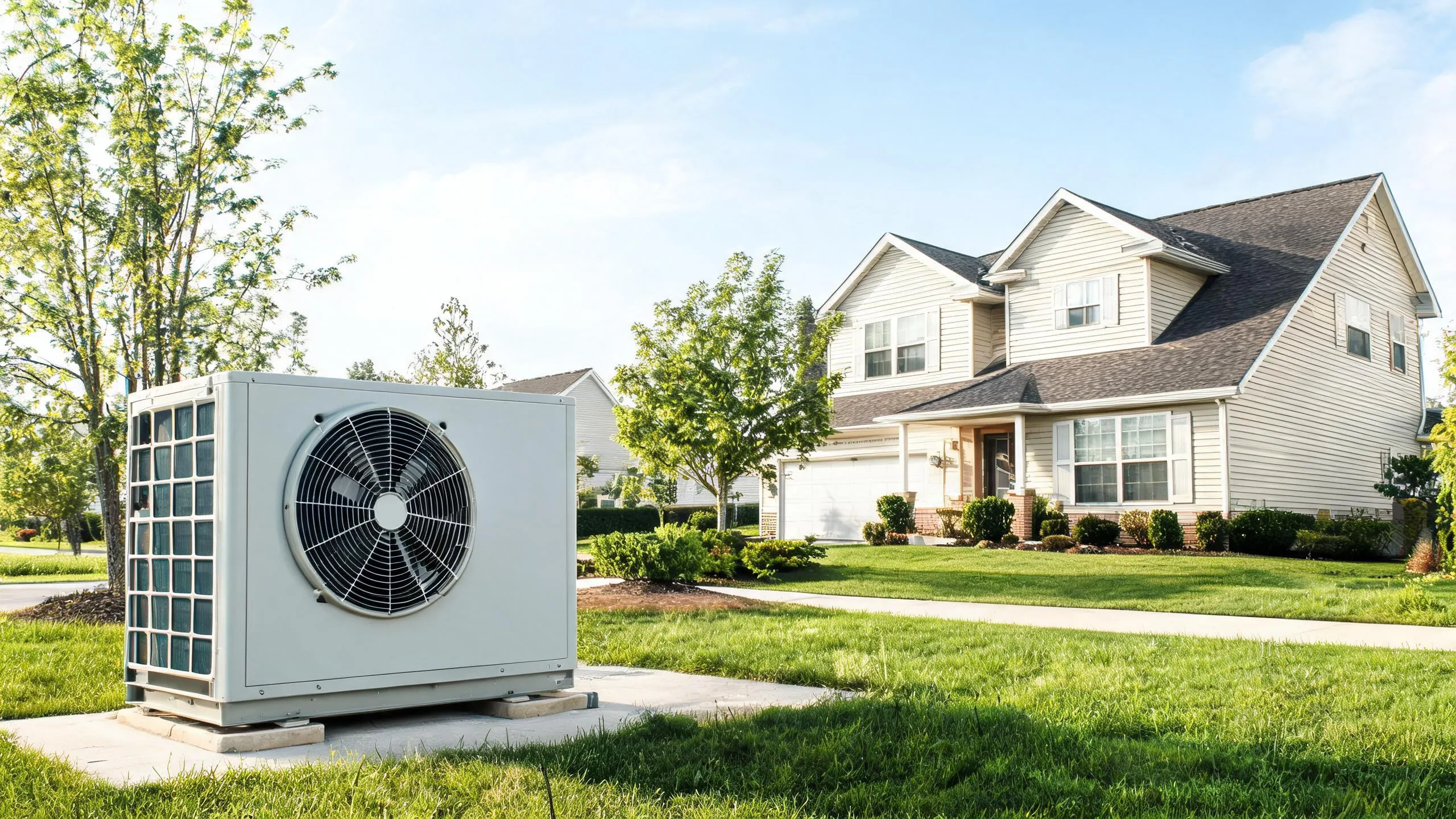
Heat Pump Installation in Asheboro, NC
A new system here will heat from October through April and cool from May through September every year. Tell us about the house, and a licensed contractor who covers Randolph County will get in touch.
Tell us about the job
It takes about a minute.
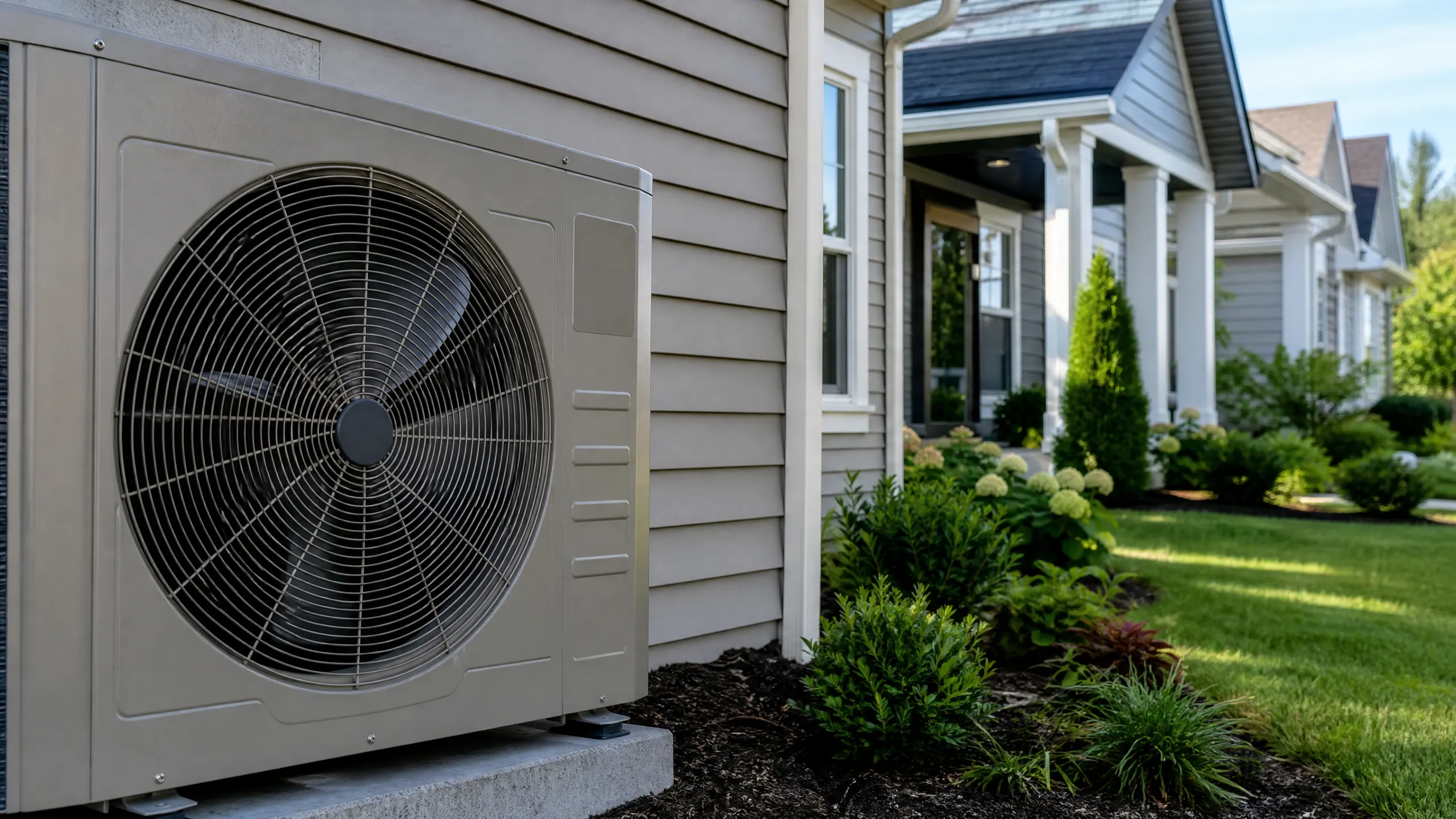
A heat pump here works almost every day of the year
Asheboro asks a heat pump to heat from October through April and cool from May through September. That covers all 12 months. Winter nights average 32°F, mild enough that a heat pump can carry the heat load on its own without much help. Summer afternoons average 88°F, so the same unit is doing the work again a few months later.
Most homes here already heat with electricity, so the heat pump you install is the main line of defense against both the cold and the heat, all year. Any new split system has to meet the federal minimum of 14.3 SEER2 for cooling and 7.5 HSPF2 for heating, and with this little downtime between seasons, sizing it right for both jobs matters.
- 7 months
- October through April, your system heats
- 5 months
- May through September, it cools
- 32°F
- the average winter night it heats against
- 88°F
- the average summer afternoon it cools against
NOAA nClimDiv, 1991–2020 normals
North Carolina requires HVAC contractors to hold a state license.
North Carolina licenses HVAC contractors through the State Board of Examiners of Plumbing, Heating and Fire Sprinkler Contractors. The license is issued to the contractor, not to each job, so it exists before this installation and stays on record after it is done.
For a heat pump installation in Randolph County, that license is what stands behind the person doing the work. It is not the only check on this job. In most cities and counties, replacing a heat pump needs a permit from the local building office, with an inspection once the work is finished.
Sources: North Carolina General Assembly · North Carolina State Board of Examiners of Plumbing, Heating and Fire Sprinkler Contractors
- Is a heat pump better than a furnace?
- A heat pump does both jobs a furnace can't. It heats your home in winter and cools it in summer, running on electricity instead of burning gas or oil. With 71.3% of homes here already heating with electricity, a heat pump fits how this area is set up. Whether it's the right call for your house depends on your ductwork and your current system, and a contractor can walk through that with you.
- What's the difference between a heat pump and an air conditioner?
- An air conditioner only cools. A heat pump cools the same way in summer, but it can also run in reverse to heat your home in winter. Since Asheboro homes need heat from October through April and cooling from May through September, that year-round switch matters here.
- Does a heat pump work in cold weather?
- Yes. Modern heat pumps are built to keep pulling heat from outside air even when it's cold, and winter nights here average 32°F, which is well within what a heat pump is designed to handle. Every split-system heat pump sold new since January 2023 has to meet a federal minimum of 7.5 HSPF2 for heating, so the equipment on the market now is rated for exactly this kind of climate.