
Furnace Repair in Durham, NC
Furnaces here run from October through April. If yours quits, tell us what it's doing and a licensed contractor who covers Durham County will get in touch.
Tell us about the job
It takes about a minute.
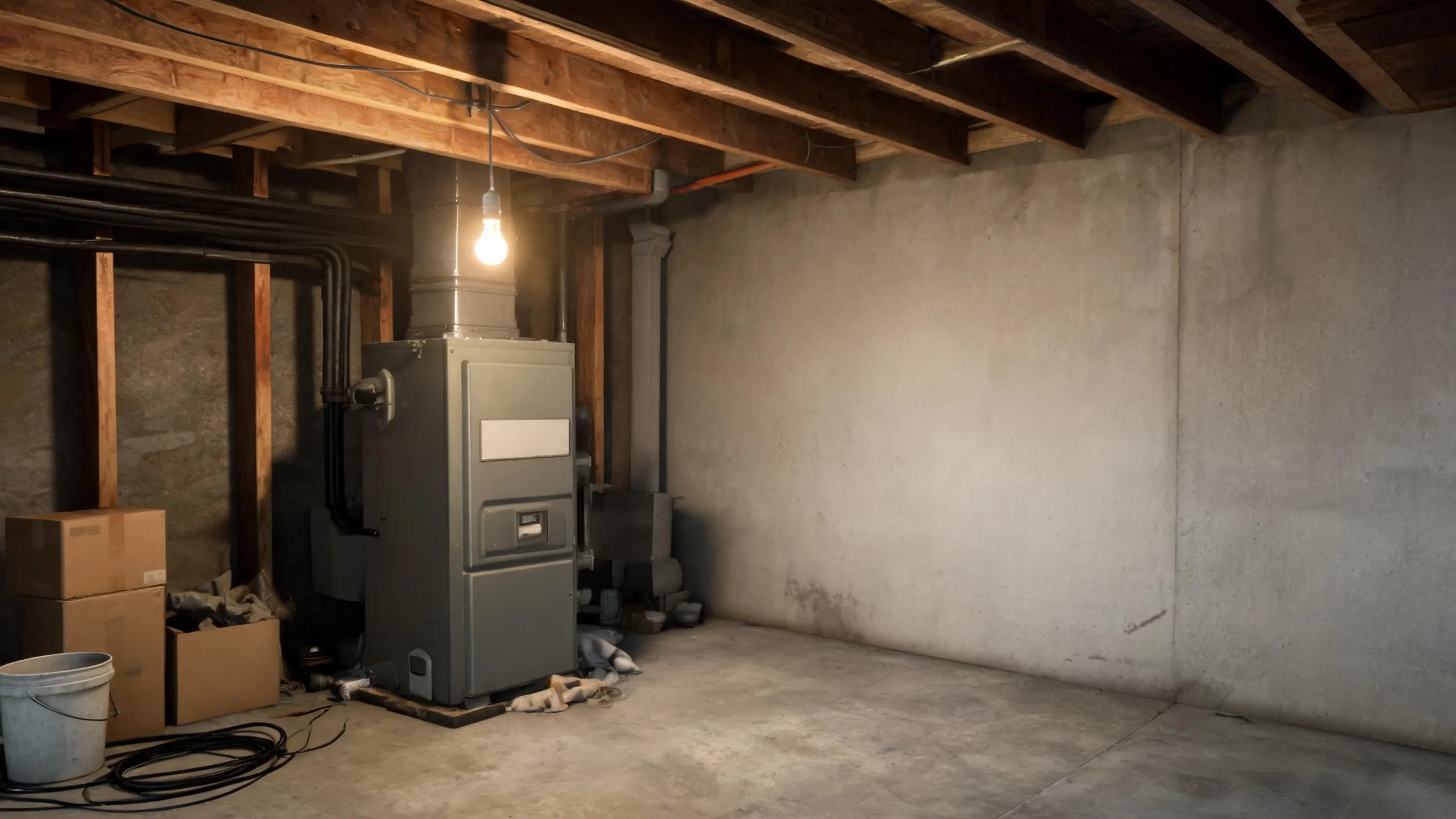
Seven months of heat, and the power doesn't always stay on
Durham County homes run the furnace October through April, seven months out of the year. Winter nights average 31°F from December through February, so the burner is cycling on and off most nights of the week. Every cycle depends on the igniter lighting the burner cleanly, and that part wears with each use.
59% of homes here heat with electricity, which means the furnace needs power to run at all. The area has seen 104 damaging wind events and 7 winter storms over the past ten years, and in 2024, a quarter of North Carolina households lost power for at least 24 hours. When the power drops on a cold night and comes back on, a furnace that won't restart on its own is a common reason for the call.
- 7 months
- October through April, your furnace is on duty
- 31°F
- the average winter night it heats against
- 7 winter storms
- in ten years, the nights a failure hurts most
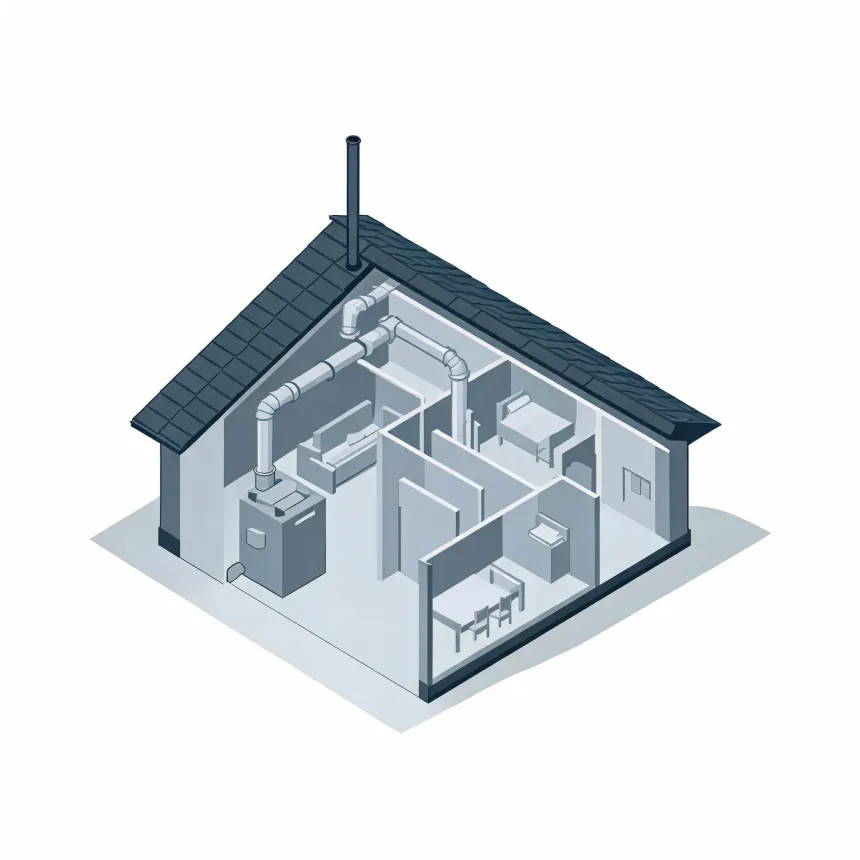
NOAA nClimDiv, 1991–2020 normals
North Carolina requires HVAC contractors to hold a state license.
The license comes from the State Board of Examiners of Plumbing, Heating and Fire Sprinkler Contractors. It belongs to the contractor, not to any single job, so the same license that lets a contractor take on a furnace repair in Durham County covers any other heating or cooling work they do in the state.
For a furnace repair, that license is what stands behind the work. A gas connection is the part of the job that can go wrong in a dangerous way, and the contractor doing that work is the one the state has licensed to do it.
Sources: North Carolina General Assembly · North Carolina State Board of Examiners of Plumbing, Heating and Fire Sprinkler Contractors
- Why won't my furnace turn on?
- Most often it is the thermostat, a tripped breaker, or the furnace not getting a signal to start. Check that the thermostat is set below room temperature and has power, and check the breaker or switch at the furnace itself. Furnaces also have a safety switch on the door panel, so if the door is not seated right the furnace will not run at all. If power and settings look fine and it still won't start, the igniter or control board likely needs a contractor to look at it.
- Why is my furnace blowing cold air?
- If air is running but not warm, the furnace may be in fan-only mode, or it may have shut off its burners on a safety fault while the blower keeps going. Check that the thermostat fan setting is on auto, not on. A dirty filter can also cause this, since it blocks airflow across the heat exchanger and trips a limit switch that cuts the burners but leaves the fan running. Replace the filter first, and if cold air continues, a contractor will need to check the igniter and gas valve.
- Why won't my furnace pilot light stay lit?
- This usually means the thermocouple is worn out and no longer sensing the pilot flame correctly, so the gas valve shuts the pilot off as a safety measure. It can also happen when there is a draft near the pilot or a partial blockage in the pilot tube. A standing pilot does not depend on electricity, so a power outage is not the cause. If relighting it does not hold, the thermocouple needs to be replaced by a contractor licensed to work on gas furnaces in North Carolina.