
Furnace Repair in Thomasville, NC
Furnaces here run from October through April. If yours quits, tell us what it's doing and a licensed contractor who covers Davidson County will get in touch.
Tell us about the job
It takes about a minute.
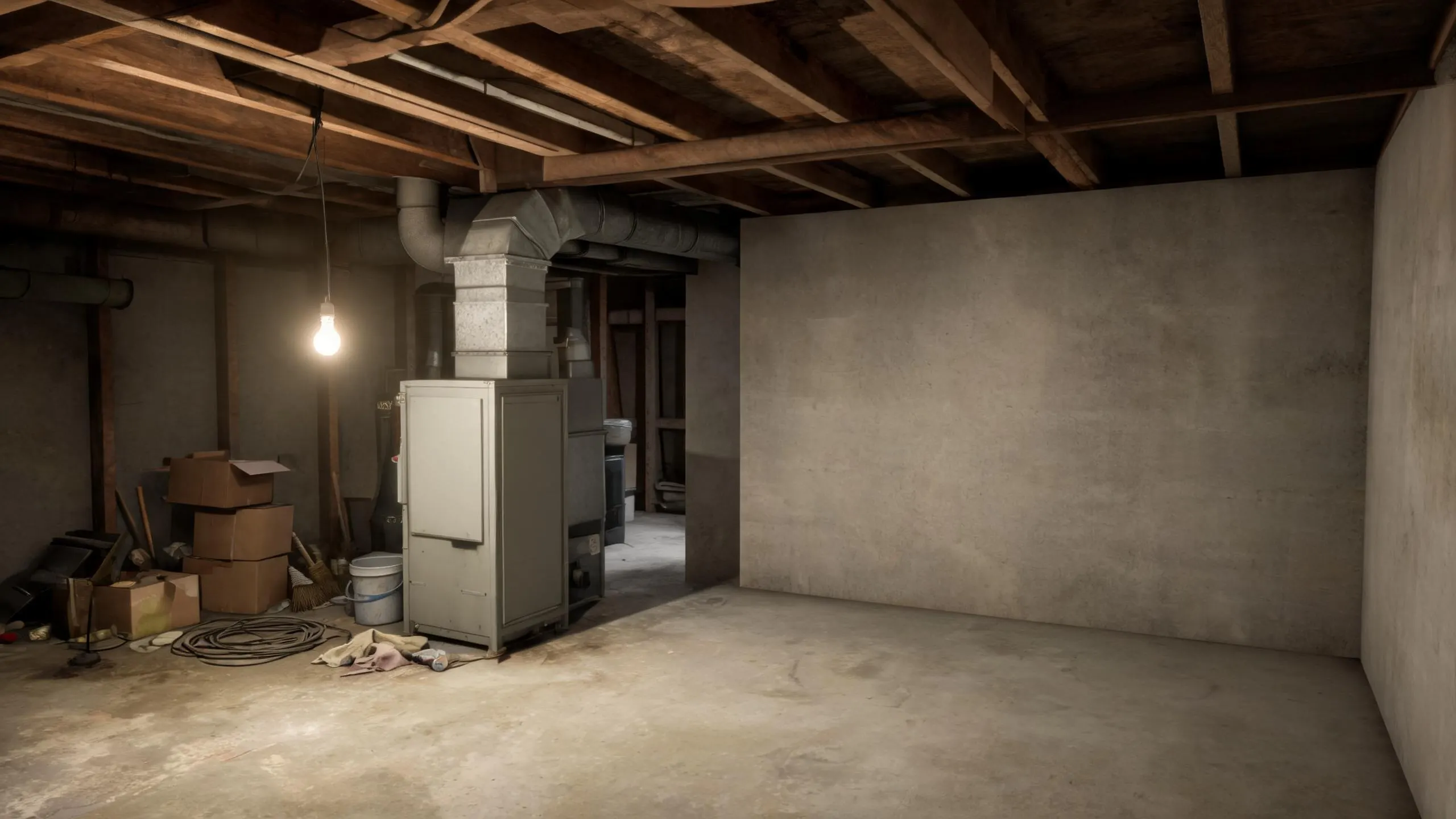
Seven months of heat puts real wear on your furnace
From October through April your furnace is the thing standing between your house and a 31 degree night. That is seven months of the burner cycling on and off, lighting and shutting down again and again. Each start puts a little more wear on the igniter and the parts around it, and eventually one of them gives out on a night it was counting on.
Most homes here heat with electricity, so when the power goes out, the furnace stops with it. Davidson County has seen 8 winter storms and 129 damaging wind events over the past ten years, and across North Carolina a quarter of households lost power for at least a day in 2024. When the lights come back on, some furnaces do not restart on their own, and that is when a homeowner finds out the hard way.
- 7 months
- October through April, your furnace is on duty
- 31°F
- the average winter night it heats against
- 8 winter storms
- in ten years, the nights a failure hurts most
NOAA nClimDiv, 1991–2020 normals
North Carolina requires HVAC contractors to hold a state license.
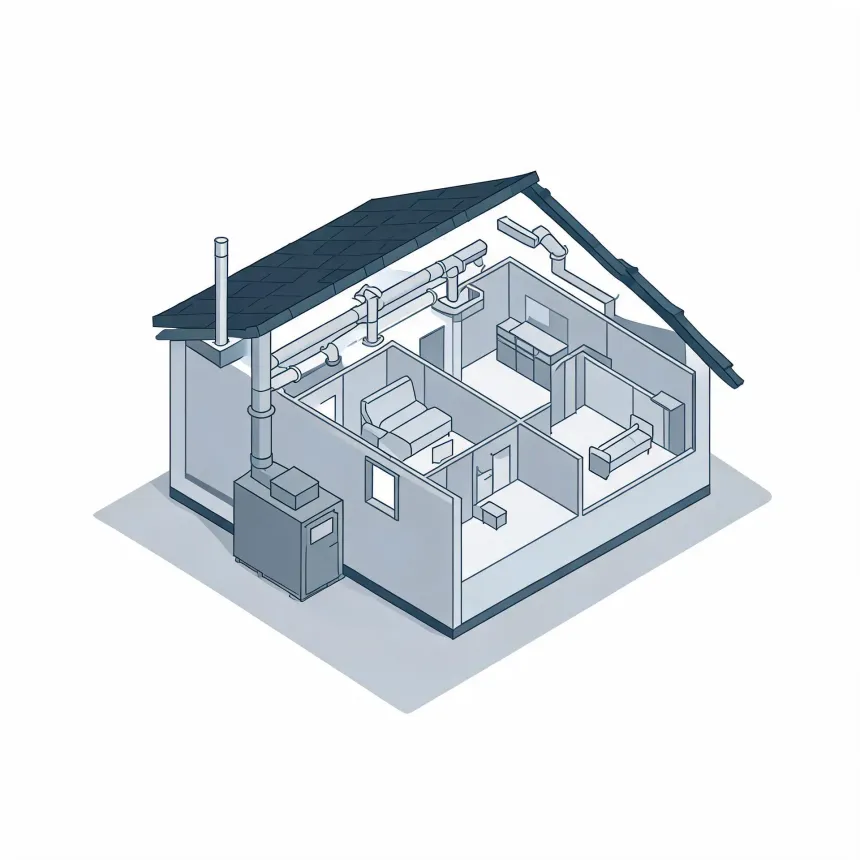
The state board that issues this license, the State Board of Examiners of Plumbing, Heating and Fire Sprinkler Contractors, tested the contractor before handing it over and keeps a record of who holds one. That license belongs to the contractor, not to any single job, so the same license that covers a furnace repair in Davidson County covers the next one somewhere else.
For a furnace repair, that license is what stands behind the person working on your gas line and burner. A bad connection there is the dangerous part of the job, and in North Carolina it is the licensed contractor who is accountable for getting it right.
Sources: North Carolina General Assembly · North Carolina State Board of Examiners of Plumbing, Heating and Fire Sprinkler Contractors
- Why won't my furnace turn on?
- Most often the thermostat isn't calling for heat the way you think it is, or power to the furnace is interrupted somewhere. Check that the thermostat is set to heat and the temperature is above room temperature. The furnace's power switch, which looks like a light switch, might be off, or a breaker might have tripped. If the filter is badly clogged, some furnaces will shut down rather than run with restricted airflow. A contractor can check the control board and safety switches if the simple things aren't it.
- Why is my furnace blowing cold air?
- The furnace usually runs the blower for a short stretch after the burners shut off, and that tail end of air will feel cool. That's normal. If cold air keeps coming and never warms up, the igniter may be failing to light the burners, or the flame sensor is shutting things down before heat builds. A dirty flame sensor is common enough that it's worth having checked first. Gas supply that's been shut off, or a pilot light that's out on an older furnace, will also leave you with only the blower running.
- Why won't my furnace pilot light stay lit?
- A pilot light that won't stay lit is almost always the thermocouple, the small sensor that sits in the pilot flame and tells the gas valve the flame is real. Once it wears out or sits out of position, it can't confirm the flame and the gas valve shuts off, even though the pilot lit fine a moment before. Wind drafts from a vent or door can also blow the pilot out on some furnaces. A contractor can test and replace the thermocouple, which is a routine part on furnaces with a standing pilot.