Heat Pump Repair in Dunn, NC
Homes here need heat from October through March and cooling from May through September. If your system quits, tell us what it's doing and a licensed contractor who covers Harnett County will get in touch.
Tell us about the job
It takes about a minute.
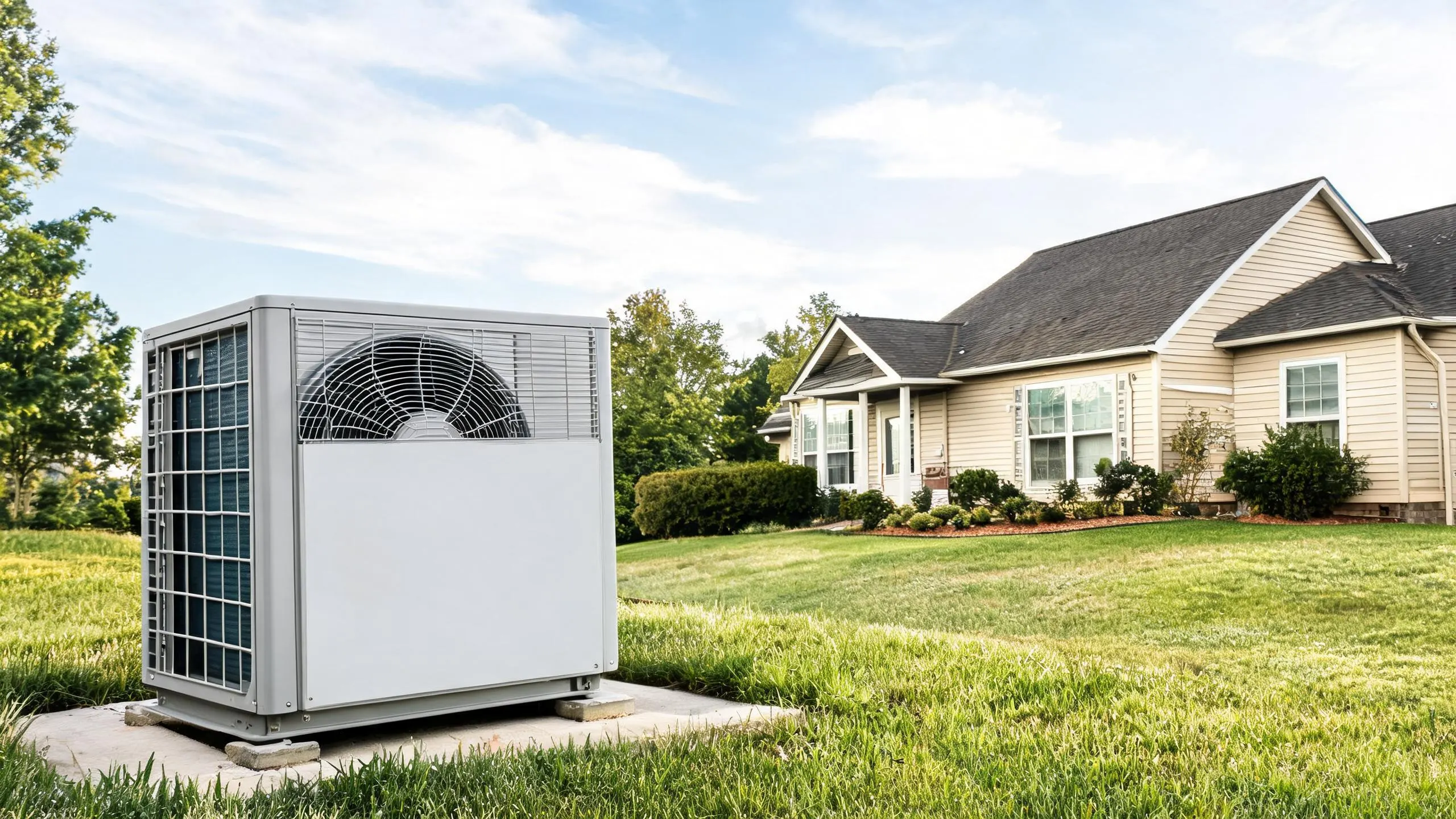
Eleven months of work a year wears on a heat pump in Dunn
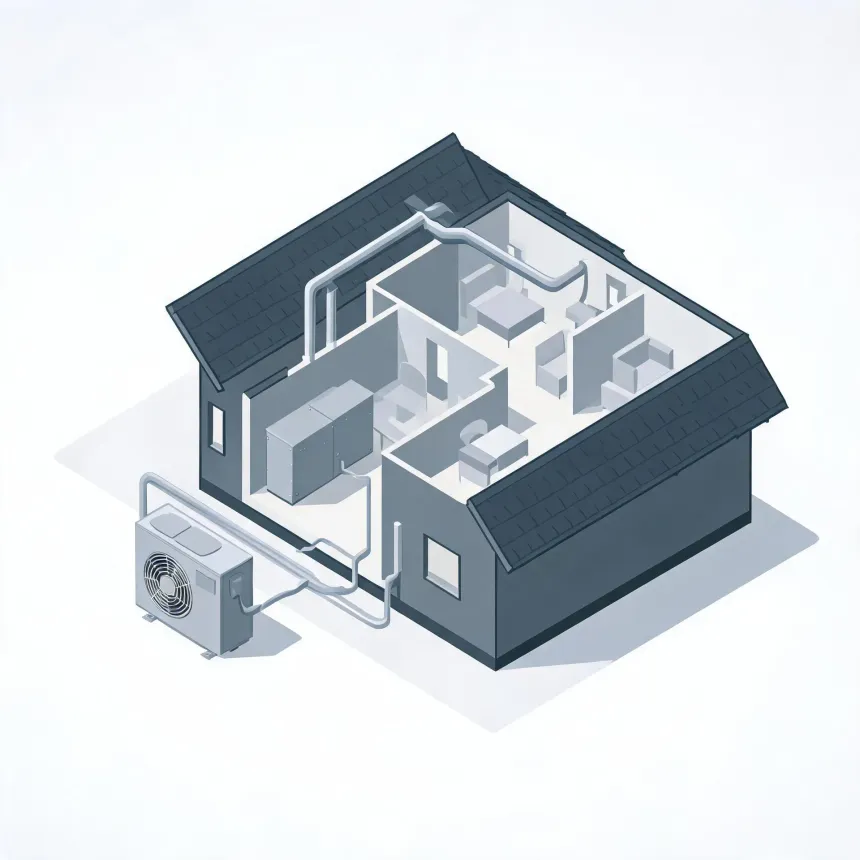
Your heat pump runs almost year round here, heat from October through March and cooling from May through September. That leaves it one slow month, if that, to rest. The compressor and the reversing valve carry that load, and parts that never get a break wear faster than parts that do.
Winter nights averaging 33°F push the system to run defrost cycles more often, and each cycle is a strain on the reversing valve. Summer afternoons near 89°F ask the compressor to run long stretches just to keep up. Add in the wind, 76 damaging wind events here over the past ten years, and you get outdoor units knocked out of alignment or hit with debris. When the power blinks off in a storm and comes back, the system needs to restart and reset itself, and a unit already worn down in one of these parts may not.
- 6 months
- October through March, your system heats
- 5 months
- May through September, it cools
- 33°F
- the average winter night it heats against
- 89°F
- the average summer afternoon it cools against
NOAA nClimDiv, 1991–2020 normals
North Carolina requires HVAC contractors to hold a state license.
North Carolina tests contractors before granting this license, and the license belongs to the contractor, not to any single job. The same license that qualifies someone to install a furnace also qualifies them to repair your heat pump.
A heat pump repair usually means opening the refrigerant side of the system, to check the charge or get at the coil. Whoever does that needs an EPA Section 608 certification. That is a federal rule, and it applies everywhere, not just in North Carolina. So on this job there are two things at work. The state license says the board tested this contractor. The federal certification says they are allowed to handle refrigerant at all.
Sources: North Carolina General Assembly · North Carolina State Board of Examiners of Plumbing, Heating and Fire Sprinkler Contractors
- Why is my heat pump blowing cold air?
- In heating mode this usually means the system is stuck in defrost or has lost its charge. A heat pump warms air to a lower temperature than a furnace does, so some coolness at the vents is normal, but air that stays cold means it is not switching back to heating properly. This can come from a bad reversing valve, a low refrigerant charge, or a control board fault. A technician who holds EPA Section 608 certification will need to check the refrigerant side to find out which.
- Why is there ice on my heat pump?
- Some frost on the outdoor coil during a defrost cycle in winter is normal, and it should clear once the unit switches back to heating. Ice that stays or keeps building up usually means airflow is blocked, the defrost control has failed, or the refrigerant charge is low. Winter nights here average 33°F, cold enough for this to happen often if the defrost cycle is not working right. Check that nothing is blocking the outdoor unit first, then have a licensed contractor look at the defrost board and refrigerant level if the ice keeps coming back.
- Why is my heat pump running but not cooling?
- If the unit runs but the air is not cold, the most common causes are a dirty filter, a refrigerant leak, or a frozen indoor coil. A frozen coil often follows low refrigerant or blocked airflow, and it needs to thaw before a technician can find the actual cause. Summer afternoons here average 89°F, so a system that is not cooling right will fall behind fast. Since checking refrigerant means opening a sealed part of the system, this repair needs a technician with EPA Section 608 certification.