
AC Maintenance in Jacksonville, NC
Air conditioners here run from May through September, so April is the time for a tune-up. Tell us about your system, and a licensed contractor who covers Onslow County will get in touch.
Tell us about the job
It takes about a minute.
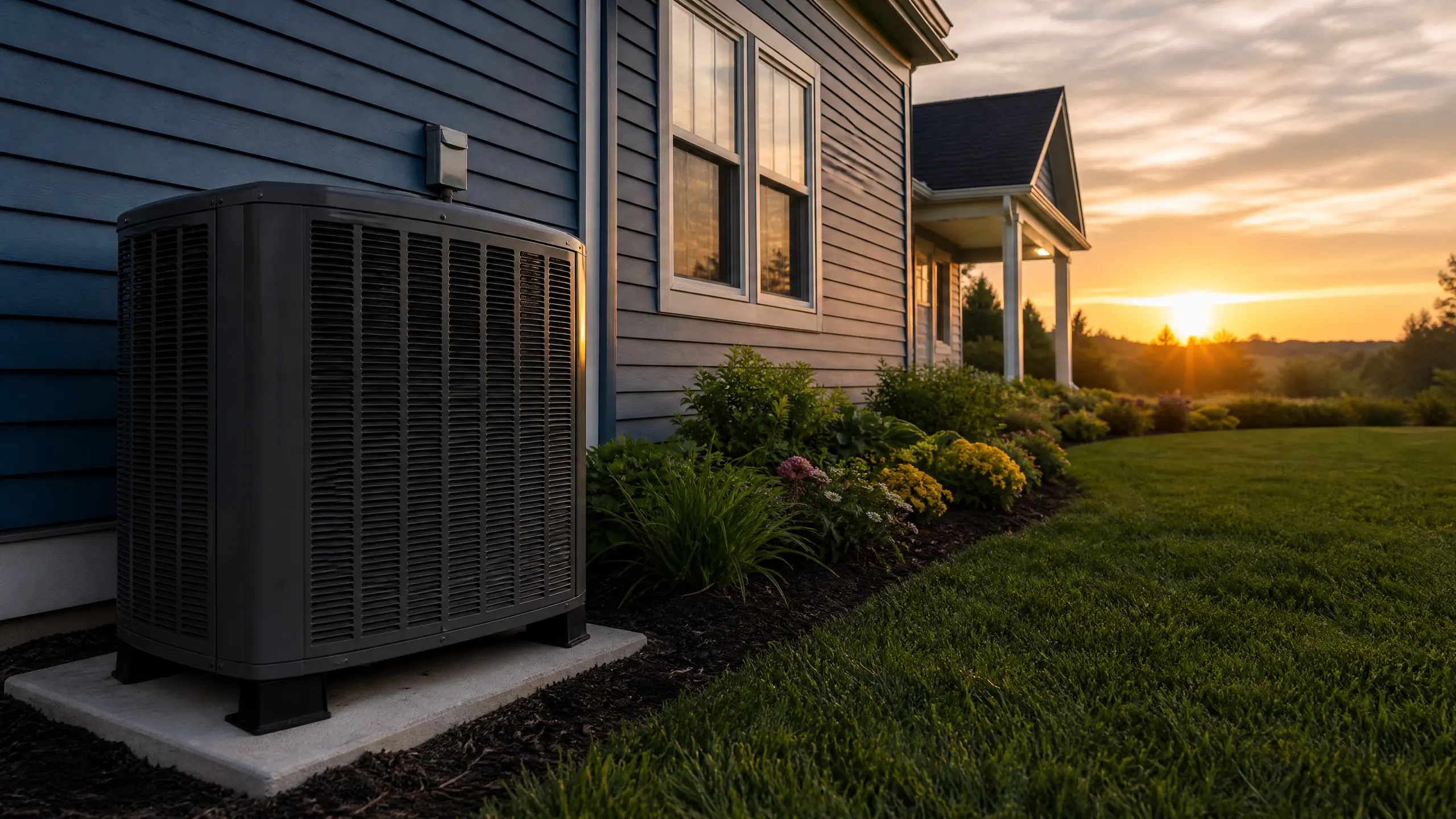
Five months of heat wear on your AC
Your air conditioner runs from May through September here, and summer afternoons average 88°F. That is five straight months of long hours on the compressor and the fan motor, with little break between them to recover.
Onslow County also takes its share of rough weather. Ten years of storm records show 68 damaging wind events and 18 hail events, with hailstones up to 1.5 inches. Wind can rack a condenser's cabinet or bend the fins that let it shed heat, and hail can dent the coil enough to slow airflow without stopping it outright. A tune-up checks the coil and the cabinet for that kind of damage, along with the wear that five months of summer puts on the parts that keep the system running.
- 5 months
- May through September, your air conditioner is on duty
- 88°F
- the average summer afternoon it cools against
- 18 hail events
- in ten years, and hail bends the fins on outdoor coils
- 68 wind events
- in ten years, and wind drives debris into outdoor units
NOAA nClimDiv, 1991–2020 normals

Book your AC tune-up in April, before homes here start needing cooling in May.
- Jan
- Feb
- Mar
- Apr
- May
- Jun
- Jul
- Aug
- Sep
- Oct
- Nov
- Dec
A tune-up checks the refrigerant charge, cleans the coils, tests the capacitor and tightens the electrical connections.
North Carolina requires HVAC contractors to hold a state license.
The license comes from the State Board of Examiners of Plumbing, Heating and Fire Sprinkler Contractors, and it covers the contractor, not the individual job. That means the person or company was tested by the state and is on record with the board before they ever touch your unit.
For a maintenance visit on an air conditioner, that state license is what stands behind the work in North Carolina. If the technician opens up the refrigerant side of your system, checking charge or dealing with a leak, they also need EPA Section 608 certification, which every technician in the country is required to carry for that part of the job.
Sources: North Carolina General Assembly · North Carolina State Board of Examiners of Plumbing, Heating and Fire Sprinkler Contractors
- What does AC maintenance include?
- A technician checks refrigerant charge, cleans the condenser coil, and tests the capacitor and contactor in the outdoor unit. Inside, they check the evaporator coil, the blower, and the condensate drain, since a clogged drain backs up and can shut the system down. They also check the filter and confirm the thermostat is calling for cooling correctly. Anyone opening the refrigerant lines to check charge has to hold an EPA Section 608 certification, which is a federal rule for that kind of work everywhere.
- How often does an air conditioner need maintenance?
- Once a year is standard, done in spring before the heat sets in. Here, cooling runs from May through September, so a spring check catches a weak capacitor or a low charge before the system has to work through a summer of 88°F afternoons. A unit that sat through hail or a windstorm is worth a look sooner, since the coil fins and the outdoor cabinet take the brunt of that kind of weather.
- Is AC maintenance worth it?
- Yes, because most of what causes a summer breakdown shows up early to someone who checks for it. A weak capacitor, a dirty coil, or a clogged drain all get worse under load, and load is what five months of 88°F afternoons put on a system. Catching one of those in spring means the unit is running on a good charge and a clean coil before it has to carry the season.