
Dryer Vent Cleaning in Hendersonville, NC
Tell us about your home, and a licensed contractor who covers Henderson County will get in touch.
Tell us about the job
It takes about a minute.

Cold vent walls catch the lint your dryer pushes out
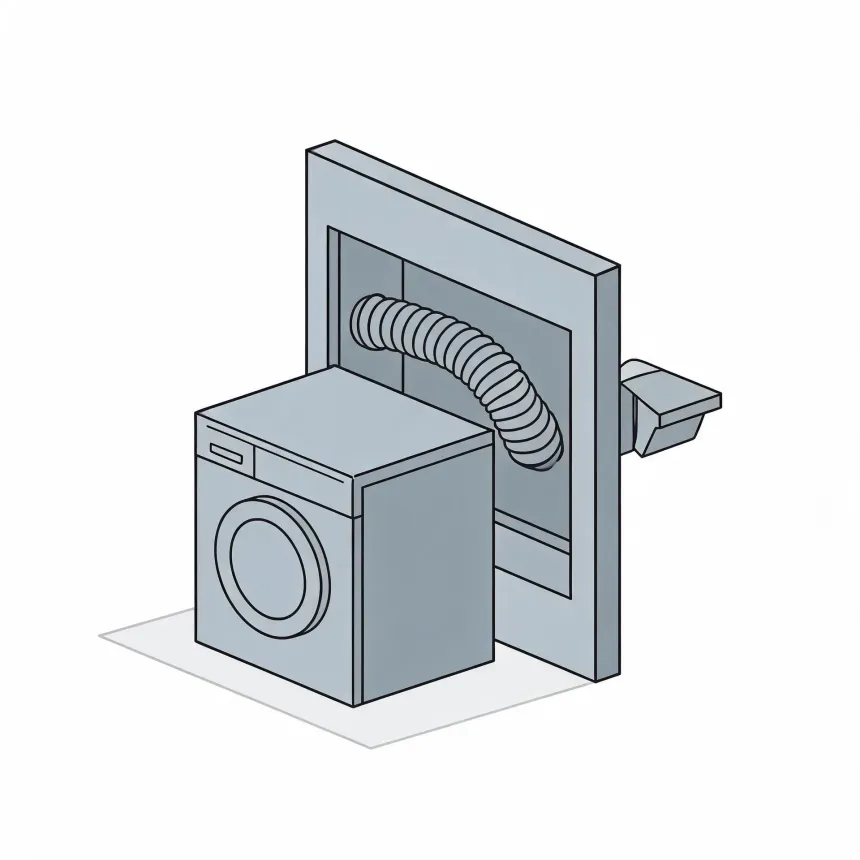
Your dryer pushes warm, damp air out through the vent every time it runs. From October through April, that vent runs through a house that's cold on the inside, and on nights that average 30°F, the air cools fast once it leaves the drum. Lint doesn't slide through a cold, damp vent the way it slides through a warm dry one. It sticks to the walls of the duct, and each load adds a little more.
A vent that's narrowing with lint pushes moist air out slower, so more of it condenses before it clears the duct. That's how a clogged vent starts feeding on itself, and it's worth having the duct checked and cleared before it gets that far.
- 30°F
- the average winter night, and cold vents catch damp lint
- 7 months
- October through April, the vent stays cold
NOAA nClimDiv, 1991–2020 normals
- How often should a dryer vent be cleaned?
- Once a year for most households. Households that run the dryer more than once a day, or that have a longer vent run with several bends, should have it checked more often. Lint builds up inside the duct even when the lint trap looks clean, and that buildup is what slows the dryer down and strains the heating element.
- Can I clean my dryer vent myself?
- You can clean the first few feet, but you can't clean the whole run yourself. A vacuum and a brush kit will pull lint out of the section near the dryer, and that's worth doing between full cleanings. The rest of the duct runs through the wall or attic and often bends before it reaches the outside hood, and lint sitting past those bends is what actually chokes airflow. A contractor uses a rod and brush system built to reach the full length and clear it out.
- What are the signs of a clogged dryer vent?
- Clothes that take longer to dry, or come out hot to the touch but still damp, are the clearest sign. The top of the dryer feels hot, the laundry room smells like it's burning, or the vent hood outside barely puffs air when the dryer runs. Lint showing up around the door seal is another one. Any of these means air isn't moving through the duct the way it should, and that's a fire risk worth taking seriously.