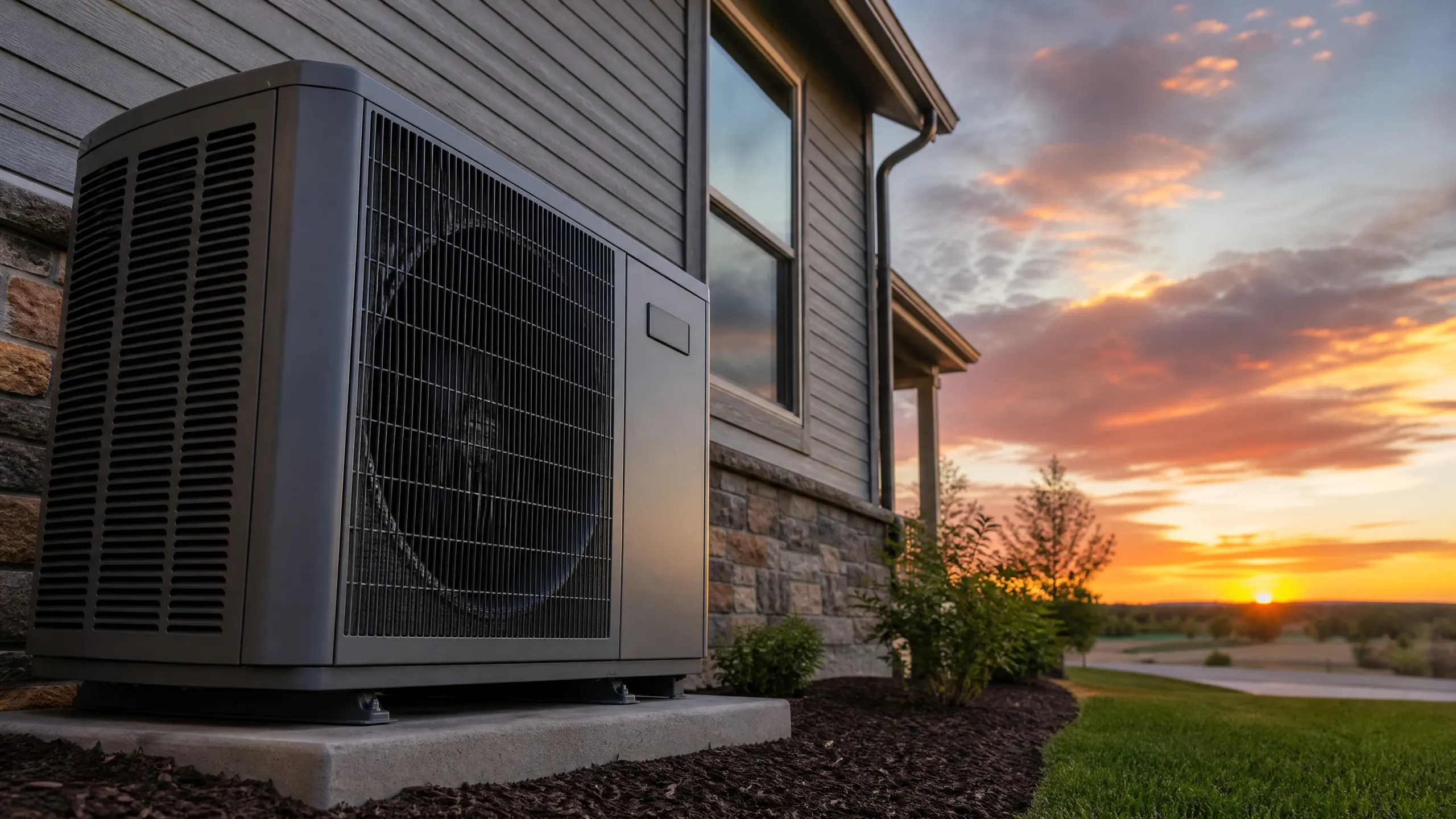
Heat Pump Repair in Fayetteville, NC
Homes here need heat from November through March and cooling from May through September. If your system quits, tell us what it's doing and a licensed contractor who covers Cumberland County will get in touch.
Tell us about the job
It takes about a minute.
Ten months of work a year wears on a heat pump here
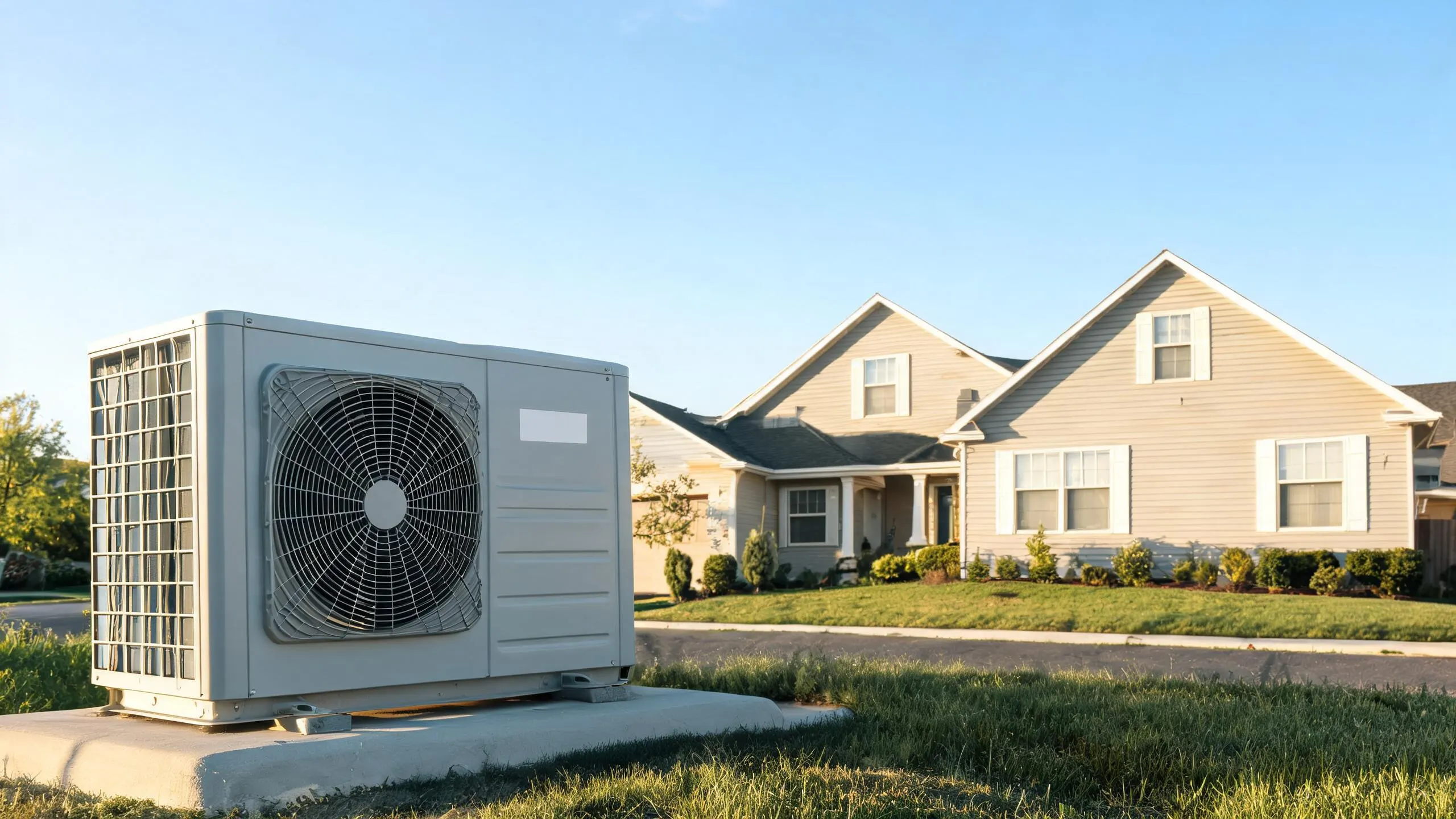
Your heat pump runs from November through March to heat the house, then May through September to cool it. That is ten months of the year with only short breaks between, and the parts inside get little rest to recover from one season before the next starts.
Winter nights that average 34°F mean the system runs a defrost cycle again and again to keep the outdoor coil clear. That cycle puts real strain on the reversing valve, the part that switches the unit between heating and cooling. Summer afternoons averaging 89°F push the compressor hard on the other end. Cumberland County has also seen 103 damaging wind events and 4 winter storms over the past ten years, and with most homes here heating by electricity, a power interruption means no heat until it comes back on. If your heat pump is stuck in one mode, blowing air that is not warm or cool enough, or cycling more than it used to, these are the conditions behind it.
- 5 months
- November through March, your system heats
- 5 months
- May through September, it cools
- 34°F
- the average winter night it heats against
- 89°F
- the average summer afternoon it cools against
NOAA nClimDiv, 1991–2020 normals
North Carolina requires HVAC contractors to hold a state license.
The State Board of Examiners of Plumbing, Heating and Fire Sprinkler Contractors licenses HVAC contractors in North Carolina. That license belongs to the contractor, not to the job, so the same license stands behind this repair and any other job that contractor takes on.
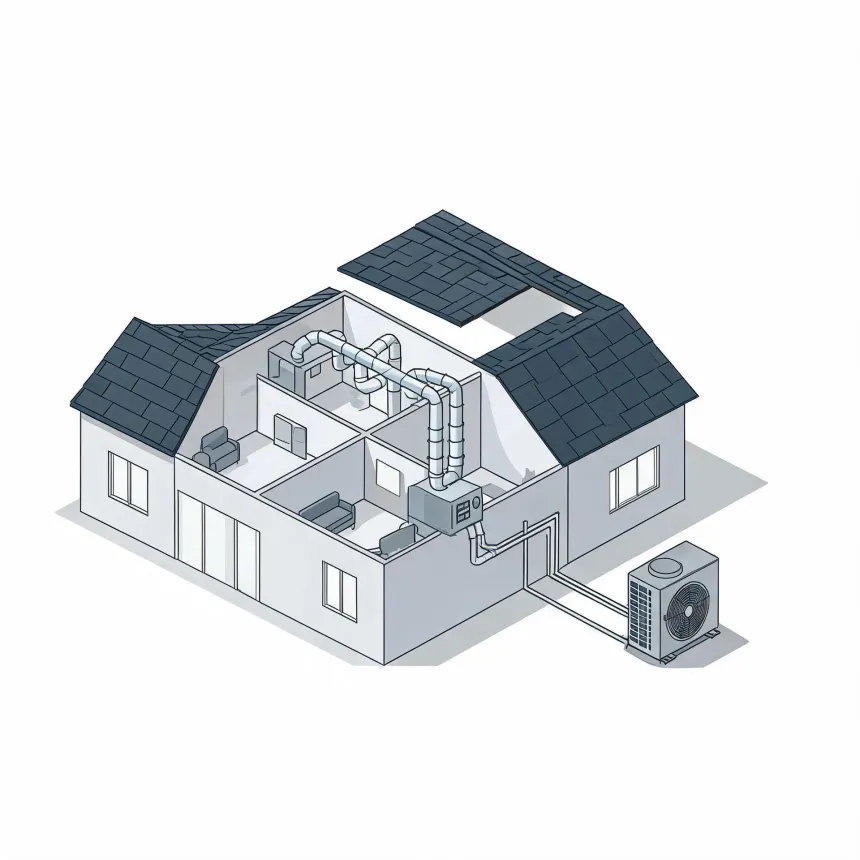
A heat pump repair means opening the refrigerant side of the system. Federal law requires whoever does that to hold EPA Section 608 certification, in North Carolina or anywhere else in the country. So the contractor working on your heat pump answers to the state board for the license, and to federal law for the certification needed to handle the refrigerant itself.
Sources: North Carolina General Assembly · North Carolina State Board of Examiners of Plumbing, Heating and Fire Sprinkler Contractors
- Why is my heat pump blowing cold air?
- In heating mode, a heat pump normally puts out air that feels cool compared to your skin, even when it's working right. That air is usually still warmer than the room, just not as hot as a furnace would deliver. If the air coming out feels truly cold, or the system is blowing outside temperature, check that the outdoor unit isn't iced over or the filter isn't clogged. A refrigerant leak or a stuck reversing valve can also leave the system unable to heat, and both need a licensed contractor to diagnose since fixing a refrigerant issue requires EPA 608 certification.
- Why is there ice on my heat pump?
- Some frost on the outdoor coil in winter is normal. Your heat pump runs a defrost cycle on its own to melt it off, usually within an hour or so. If ice is building up thick, covering the coil, or never clearing between cycles, something is stopping the defrost cycle from doing its job. That can be a bad defrost sensor, a stuck reversing valve, low refrigerant, or a fan that isn't moving air the way it should. With winter nights here averaging 34°F, this is a common winter call, and it needs a licensed contractor to find out which part failed.
- Why is my heat pump running but not cooling?
- If the outdoor unit is running but the air inside isn't getting cooler, the most common cause is a dirty filter or blocked ducts choking off airflow. Check the filter first since that's the one thing you can do yourself. If the filter is clean and the air still isn't cooling, especially on a 89°F afternoon when the system is working hardest, the cause is more likely low refrigerant, a failing compressor, or an outdoor coil coated in dirt and debris. A licensed contractor can check refrigerant levels, since only someone with EPA 608 certification is allowed to open that side of the system.