
HVAC Repair in Winston-Salem, NC
Homes here need heat from October through April and cooling from May through September. If your system quits, tell us what it's doing and a licensed contractor who covers Forsyth County will get in touch.
Tell us about the job
It takes about a minute.
Your system works almost every month here
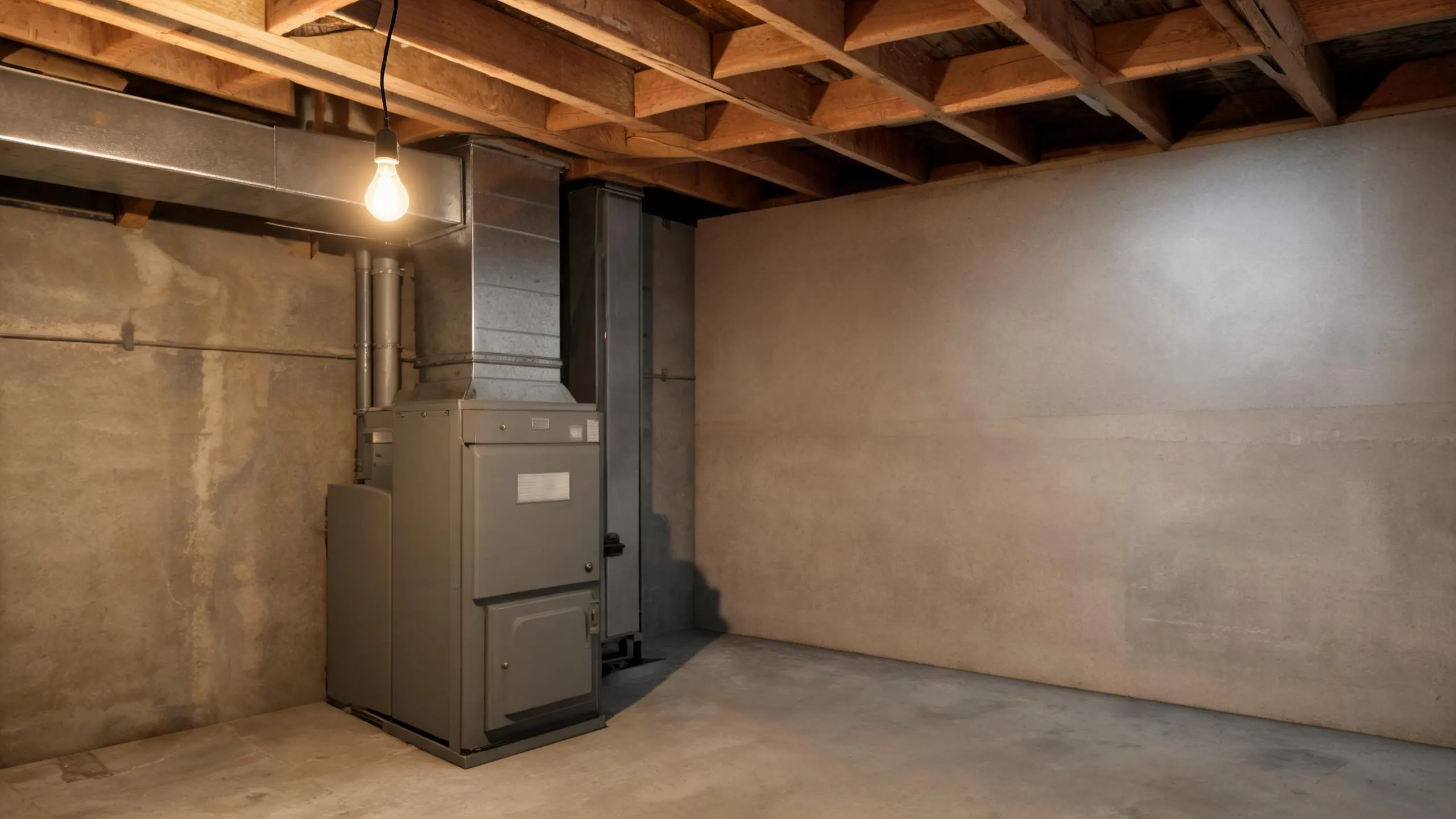
Forsyth County asks for heat from October through April and cooling from May through September. That leaves almost no month where the system sits idle. Winter nights averaging 30°F keep the furnace cycling on through the night, and summer afternoons near 86°F keep the compressor under load most of the day.
Most homes here heat with electricity, so a heat pump or electric furnace working that many months puts real hours on the parts that start it up and keep it running. Add in the storms this area sees, 174 damaging wind events and 12 winter storms over the past ten years, and the power behind that system is not always steady either. A quarter of North Carolina households lost power for a full day or more in 2024. Most systems restart on their own once power returns, but the swings in between still take a toll on what keeps your home warm or cool.
- 7 months
- October through April, your system heats
- 5 months
- May through September, it cools
- 30°F
- the average winter night it heats against
- 86°F
- the average summer afternoon it cools against
NOAA nClimDiv, 1991–2020 normals
North Carolina requires HVAC contractors to hold a state license.
The State Board of Examiners of Plumbing, Heating and Fire Sprinkler Contractors issues that license, and it tests the contractor before granting it. What is on record with the state is the contractor, not the job. So the license tells you the person doing the work passed the state's exam and is known to the state. It does not mean the state signed off on this particular repair.
For a heating and cooling repair, that license is what stands behind the work. It covers the contractor's standing with the state, not the specific parts touched on this job or how long the fix holds.
Sources: North Carolina General Assembly · North Carolina State Board of Examiners of Plumbing, Heating and Fire Sprinkler Contractors
- Why is my heat not working?
- Start with the thermostat. Check that it is set to heat, not just on, and that the set temperature is above the room temperature. If the thermostat looks right, check your breaker panel for a tripped breaker, since a furnace or heat pump can trip one without any other sign. Gas furnaces can also fail to light because of a closed gas valve or a pilot light that went out. If nights are already dropping toward 30 degrees, a furnace that won't stay lit or a heat pump stuck in defrost is worth a contractor's attention soon rather than later.
- Why is my system running but not cooling the house?
- The system is moving air, but something is stopping it from moving heat out of the house. Check the air filter first. A filter clogged with dust chokes off airflow across the coil, and that coil can ice over, which makes the problem worse the longer it runs. Next check outside at the condenser unit. If the fan isn't turning or the unit is caked with grass clippings or leaves, it can't release the heat it's pulling from inside. If the filter is clean and the outdoor unit is clear and running, the system may be low on refrigerant from a leak, and that's a repair for a licensed contractor, not something to add to on your own.
- What can I check before calling for HVAC repair?
- Check the thermostat, the breaker panel, and the air filter. Make sure the thermostat is set to the mode you want and the batteries aren't dead. Look for a tripped breaker for the furnace, air handler, or outdoor unit. Pull the filter and hold it up to a light. If you can't see light through it, replace it. Outside, clear any leaves, mulch, or grass clippings away from the condenser unit so air can move through it. If the system still isn't working after that, a licensed contractor can diagnose what's left. North Carolina requires that contractor to hold a state license.