Heat Pump Repair in Raleigh, NC
Homes here need heat from October through April and cooling from May through September. If your system quits, tell us what it's doing and a licensed contractor who covers Wake County will get in touch.
Tell us about the job
It takes about a minute.
Your heat pump works both sides of the year here
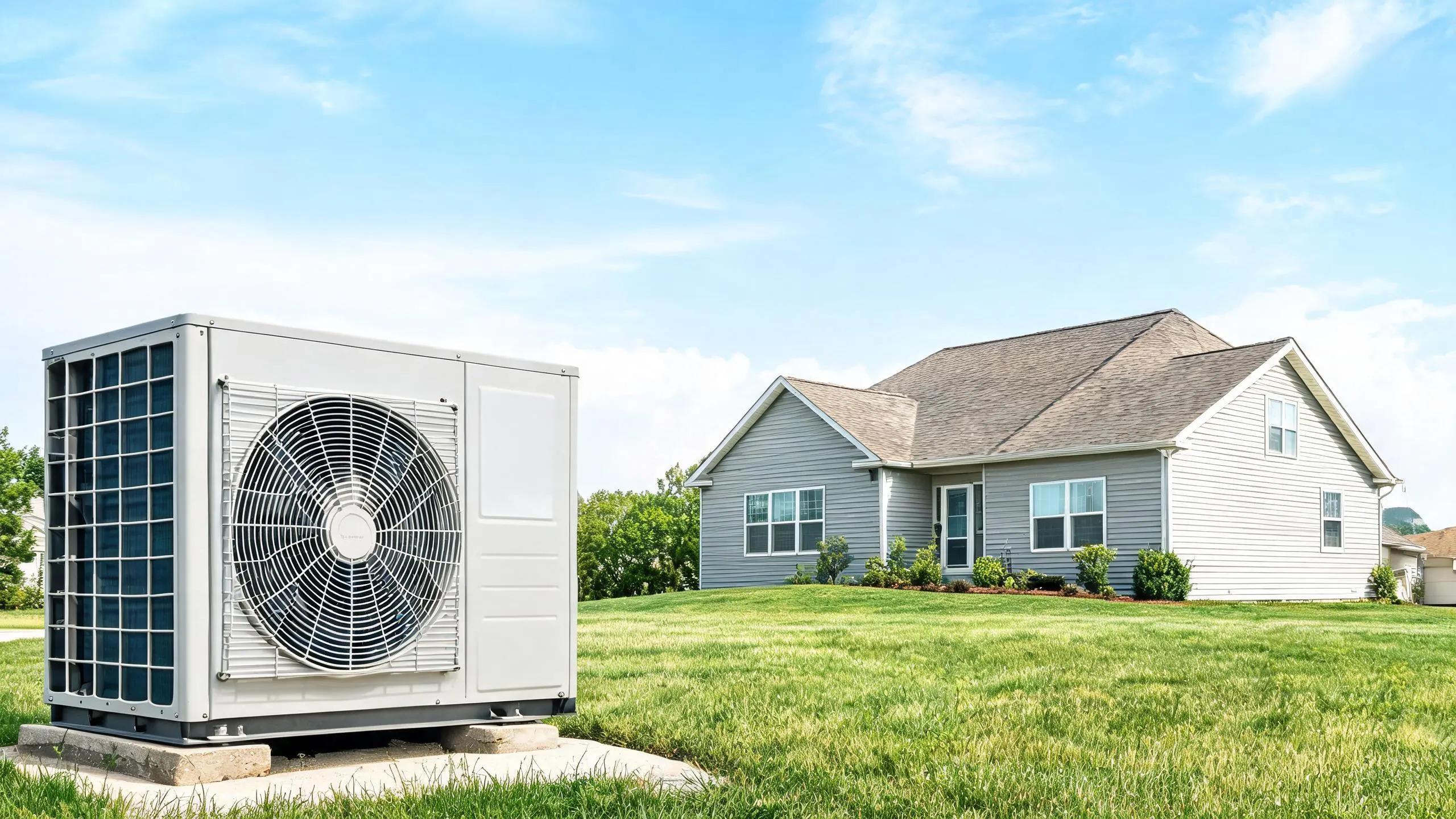
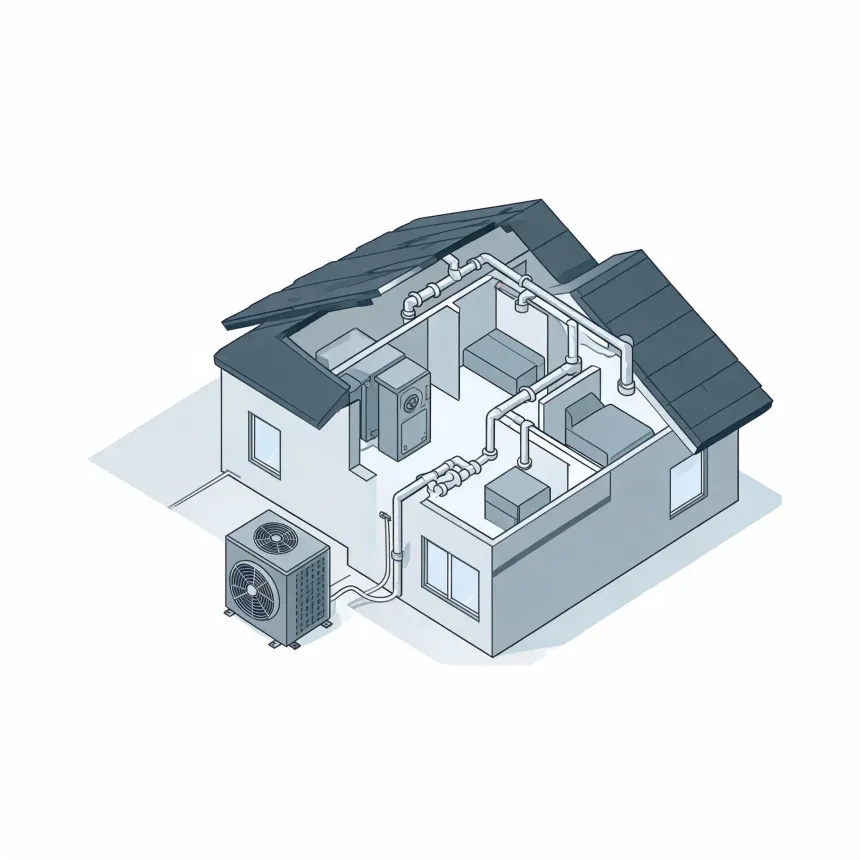
In Wake County your heat pump runs almost every month, heat from October through April, cooling from May through September. That is close to twelve months of use with barely a break to rest. Winter nights averaging 32°F mean it spends a lot of hours in defrost, switching over and reversing itself to melt the frost off the outdoor coil. Summer afternoons at 88°F push it hard the other way, running long cycles to keep up. That back and forth wears on the reversing valve, the part that switches the system between heat and cool. When it sticks, the unit blows cold air when you set it to heat, or it never quite shuts off.
More than half the homes here heat with electricity, so when the heat pump falters there is no backup furnace picking up the slack. And with a quarter of North Carolina households losing power for a day or more last year, and this area seeing 308 damaging wind events over the past decade, the outdoor unit takes a beating too. A branch, hail, or a hard restart after an outage can knock the capacitor or the fan motor out, and you will notice it as a system that hums but does not start, or blows air that is not the temperature you asked for.
- 7 months
- October through April, your system heats
- 5 months
- May through September, it cools
- 32°F
- the average winter night it heats against
- 88°F
- the average summer afternoon it cools against
NOAA nClimDiv, 1991–2020 normals
North Carolina requires HVAC contractors to hold a state license.
The state board tests contractors before it licenses them, then keeps a record of who holds one. That license belongs to the contractor, not to any single job, so the same license that covers a new install covers a repair call on your heat pump.
A heat pump repair almost always means opening the refrigerant side of the system, whether the problem is low charge, a leak, or a failed component in that circuit. Whoever does that work needs EPA Section 608 certification, which is separate from the state license and required in every state, not just North Carolina.
Sources: North Carolina General Assembly · North Carolina State Board of Examiners of Plumbing, Heating and Fire Sprinkler Contractors
- Why is my heat pump blowing cold air?
- In winter, a heat pump puts out air that feels cool next to your skin even when it is working right, because the air leaving the vents is warmer than the room but still cooler than your body. If the air is actually cold, not just cool, check that your air filter isn't clogged and that the outdoor unit isn't blocked by leaves or debris. A system stuck in fan-only mode, low on refrigerant, or with a failed reversing valve will also blow cold air that never warms up. If your thermostat is set to heat and the air still feels cold after running a few minutes, a contractor needs to check the refrigerant charge and the reversing valve.
- Why is there ice on my heat pump?
- Some frost on the outdoor unit during cold weather is normal. Your heat pump runs a defrost cycle every so often to melt it off, and you may see steam rising from the unit when this happens. Ice that builds up thick, covers the coil heavily, or never seems to clear points to a problem. It could be low refrigerant, a fan motor that has failed, or a stuck defrost control. With winter nights here averaging 32°F, the outdoor unit works through a lot of frost and thaw cycles each season, so a defrost system that isn't cycling right shows up fast. If the ice keeps building instead of melting off, have a contractor look at it before the coil gets damaged.
- Why is my heat pump running but not cooling?
- If the outdoor unit and indoor fan are both running but the air isn't cold, the most common causes are a dirty air filter restricting airflow, a blocked outdoor coil, or refrigerant that has leaked out. Low refrigerant is worth taking seriously here. A technician needs EPA Section 608 certification to legally open the refrigerant side of the system and recharge it. With summer afternoons here averaging 88°F, a heat pump that's low on refrigerant or short on airflow will struggle to keep up and may run constantly without cooling the house. Check the filter first, and if the air still isn't cold, have a licensed contractor check the refrigerant charge and the coils.