
AC Maintenance in Thomasville, NC
Air conditioners here run from May through September, so April is the time for a tune-up. Tell us about your system, and a licensed contractor who covers Davidson County will get in touch.
Tell us about the job
It takes about a minute.

Five months of Thomasville summer adds up
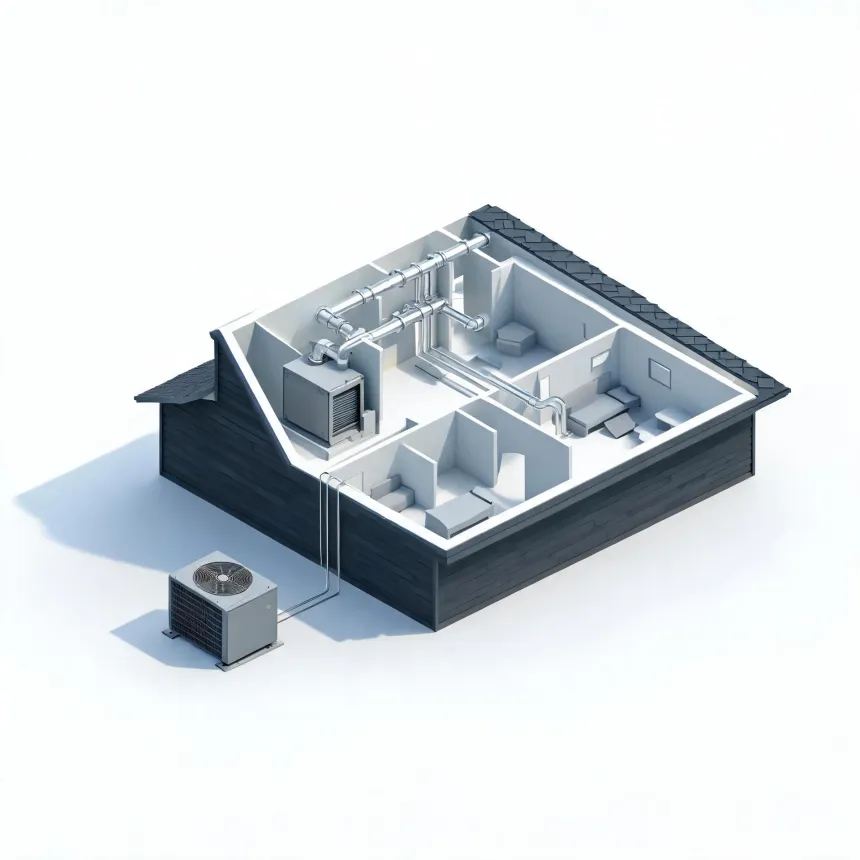
Your air conditioner runs from May through September here, with summer afternoons averaging 87°F. That is five months of long, steady runtime, not just a few hot spells. The system cycles on and stays on for hours at a stretch, and the parts that keep it running, the capacitor, the contactor, the condenser fan motor, wear down with that kind of steady load.
A tune-up catches what that wear looks like before it turns into a no-cool afternoon. Weak capacitors, low refrigerant, a coil coated in dust, these are the things a technician checks while the system still works, so summer doesn't end with a breakdown.
- 5 months
- May through September, your air conditioner is on duty
- 87°F
- the average summer afternoon it cools against
- 26 hail events
- in ten years, and hail bends the fins on outdoor coils
- 129 wind events
- in ten years, and wind drives debris into outdoor units
NOAA nClimDiv, 1991–2020 normals

Book your AC tune-up in April, before homes here start needing cooling in May.
- Jan
- Feb
- Mar
- Apr
- May
- Jun
- Jul
- Aug
- Sep
- Oct
- Nov
- Dec
A tune-up checks the refrigerant charge, cleans the coils, tests the capacitor and tightens the electrical connections.
North Carolina requires HVAC contractors to hold a state license.
The state licenses the contractor, not the visit. That means the business doing the work has been tested and is on record with the State Board of Examiners of Plumbing, Heating and Fire Sprinkler Contractors, but the license itself does not follow the technician to your door for a maintenance call the way an inspection would.
Maintenance on an air conditioner usually means checking the coils, the refrigerant charge, and the electrical connections. If the technician opens the refrigerant side of your system at all, federal law requires them to hold EPA Section 608 certification, and that rule applies no matter what state you're in. The state license tells you the company is accountable. The federal certification tells you the person touching the refrigerant is qualified to do it.
Sources: North Carolina General Assembly · North Carolina State Board of Examiners of Plumbing, Heating and Fire Sprinkler Contractors
- What does AC maintenance include?
- A technician checks refrigerant charge, cleans the condenser coil, and tests the capacitor and contactor in the outdoor unit. Inside, they check the evaporator coil and the condensate drain, since a clogged drain is one of the most common causes of a system shutting itself off. They also check the filter and look at airflow through the ducts. Anyone opening the refrigerant lines to check the charge has to hold EPA 608 certification, which is a federal requirement, not just a local one.
- How often does an air conditioner need maintenance?
- Once a year is standard, done before the cooling season starts. Homes here run their AC from May through September, so getting it checked before May gives a contractor time to fix anything before the heat sets in. Skipping a year does not always cause a breakdown, but it means small problems like a weak capacitor or a dirty coil go unnoticed until the system is working hard in the heat.
- Is AC maintenance worth it?
- Yes, because most AC failures trace back to something maintenance would have caught. A dirty coil or low refrigerant charge makes the system work harder, and working harder for months at a time is what wears out compressors and capacitors early. With summer afternoons here averaging 87°F, a system that is losing efficiency has to run longer to keep up, which adds strain during the months it can least afford to fail.