
AC Installation in Durham, NC
A new air conditioner in Durham will run from May through September every year. Tell us about the house, and a licensed contractor who covers Durham County will get in touch.
Tell us about the job
It takes about a minute.

What Durham summers ask of a new system
Your air conditioner works May through September here, five months of afternoons averaging 88°F. That is the stretch it has to run right, cycling on through the heat day after day.
Durham has also seen its share of hail and wind over the past ten years, so whatever unit goes in should be able to take weather like that. Any new central air conditioner installed today has to meet a federal minimum of 14.3 SEER2, and that baseline is worth knowing as you compare options.
- 5 months
- May through September, your air conditioner is on duty
- 88°F
- the average summer afternoon it cools against
- 22 hail events
- in ten years, and hail bends the fins on outdoor coils
- 13.4 SEER2
- the federal minimum any new unit must meet
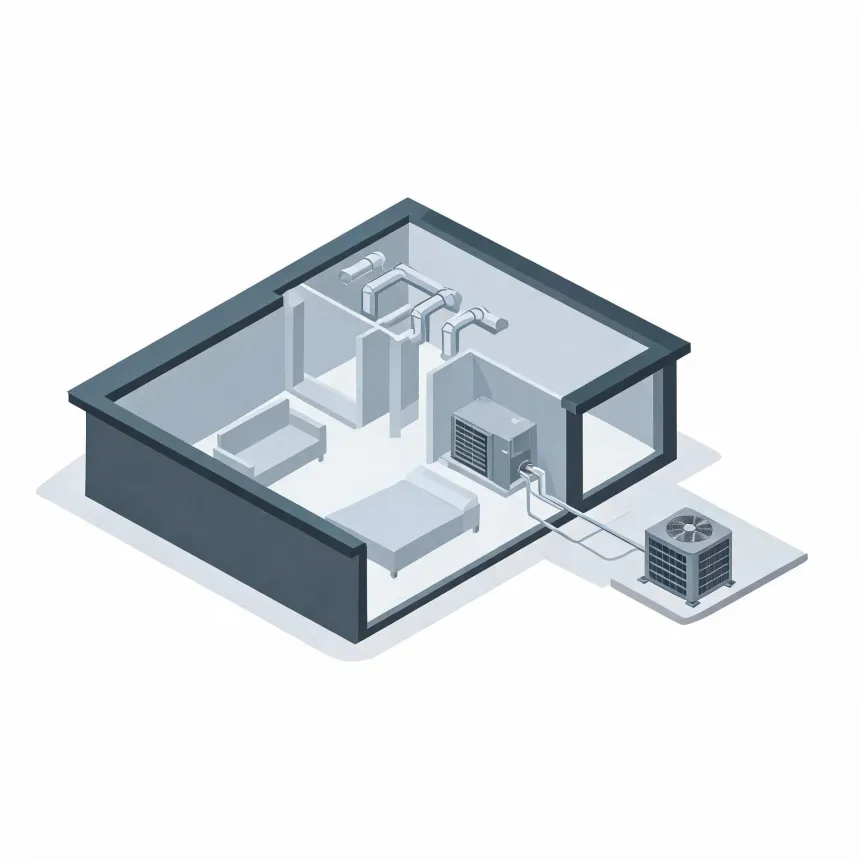
NOAA nClimDiv, 1991–2020 normals
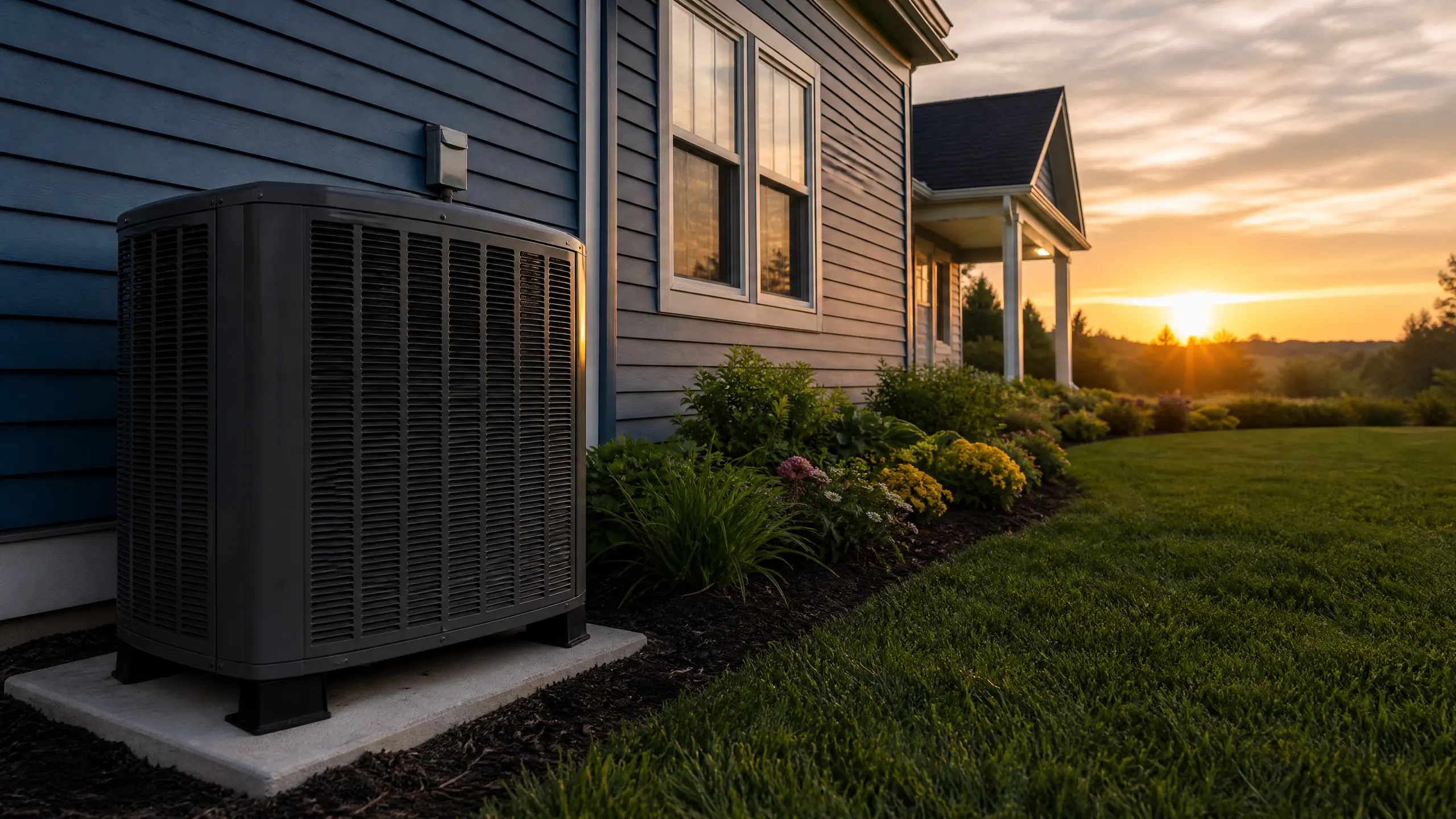
Going above the federal minimum saves little here, about $20 a year.
Estimates for a typical Durham County home, from EIA household energy data, North Carolina fuel prices and NOAA climate normals. Your home will differ.
North Carolina requires HVAC contractors to hold a state license.
The state board that licenses HVAC contractors, the State Board of Examiners of Plumbing, Heating and Fire Sprinkler Contractors, tested this contractor and keeps a record of them before they ever show up at your door. The license covers the contractor as a whole, not this particular job.
What covers the job itself is the permit. In most cities and counties, installing an air conditioner needs a permit from the local building office, with an inspection once the work is done. The license tells you the contractor was tested. The permit and inspection tell you this installation got looked at.
Sources: North Carolina General Assembly · North Carolina State Board of Examiners of Plumbing, Heating and Fire Sprinkler Contractors
- What size air conditioner does my house need?
- The right size depends on your square footage, your ceiling height, how much shade and sun your walls and windows get, and how well your attic and walls are insulated. A contractor works this out with a load calculation, not a chart based on home size alone. An oversized unit cools the air fast but shuts off before it pulls the humidity out, so the house feels damp. An undersized one runs constantly on those 88 degree afternoons and still can't keep up. Ask whoever quotes the job to walk you through the load calculation for your house, not just tell you a tonnage.
- Should I replace the whole system or just the outdoor unit?
- If your indoor coil and outdoor unit are matched and your furnace or air handler is still in good shape, replacing just the outdoor unit can work. But the indoor coil and outdoor unit are matched by the manufacturer to move a specific amount of refrigerant, and pairing a new outdoor unit with an old coil can cause it to run poorly or wear out early. New units also need to meet the 14.3 SEER2 minimum that took effect in 2023, and an old coil may not handle that. A contractor can check whether your existing coil and ductwork are a safe match before you decide.
- Do HVAC contractors in Durham need a state license to work on my home?
- Yes. North Carolina requires HVAC contractors to hold a state license, issued through the State Board of Examiners of Plumbing, Heating and Fire Sprinkler Contractors. The license belongs to the contractor, not to any single job, so it's worth confirming before work starts rather than assuming. An AC installation also typically needs a permit from the local building office and an inspection once the work is done.