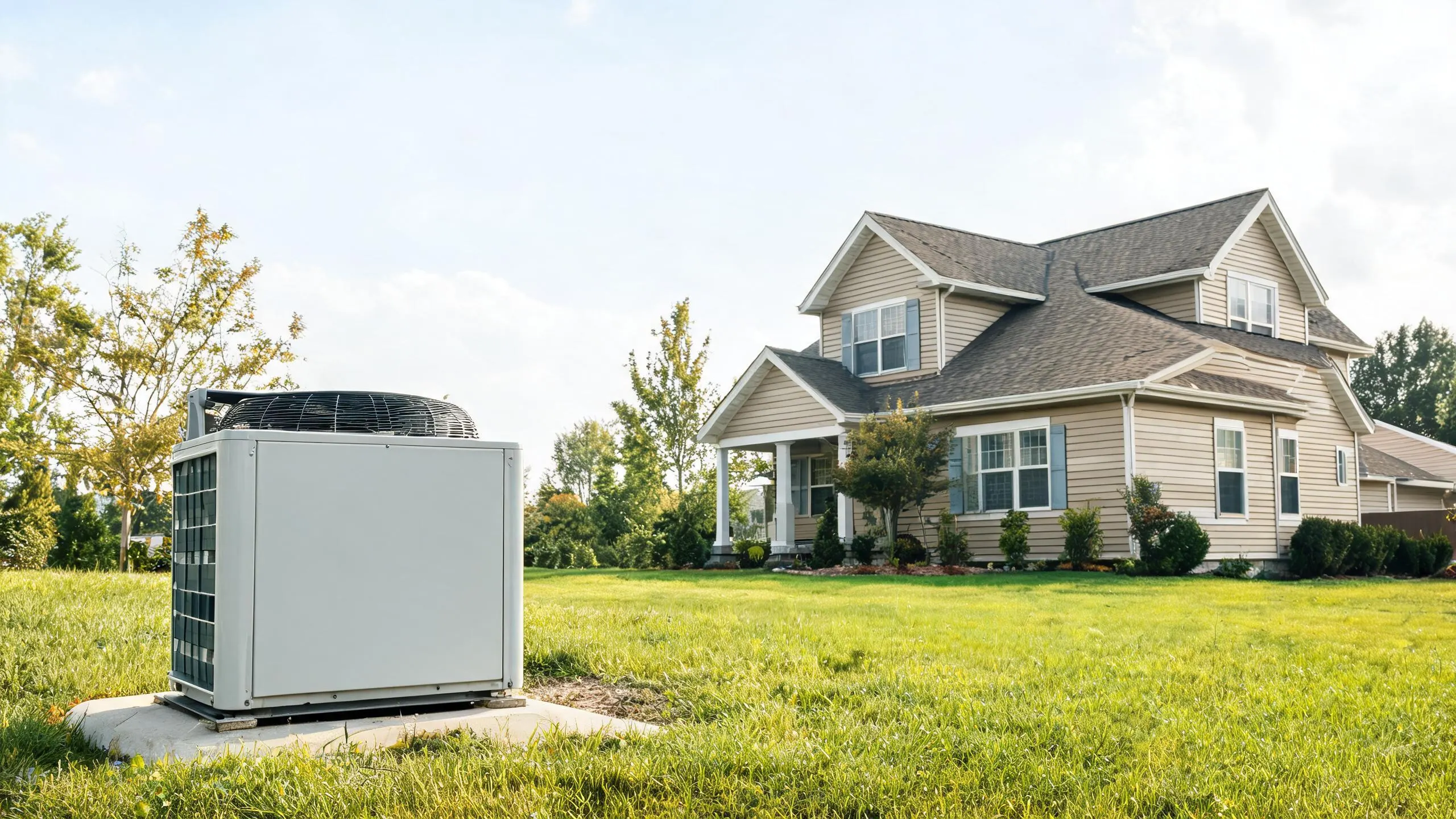
Heat Pump Repair in Asheboro, NC
Homes here need heat from October through April and cooling from May through September. If your system quits, tell us what it's doing and a licensed contractor who covers Randolph County will get in touch.
Tell us about the job
It takes about a minute.
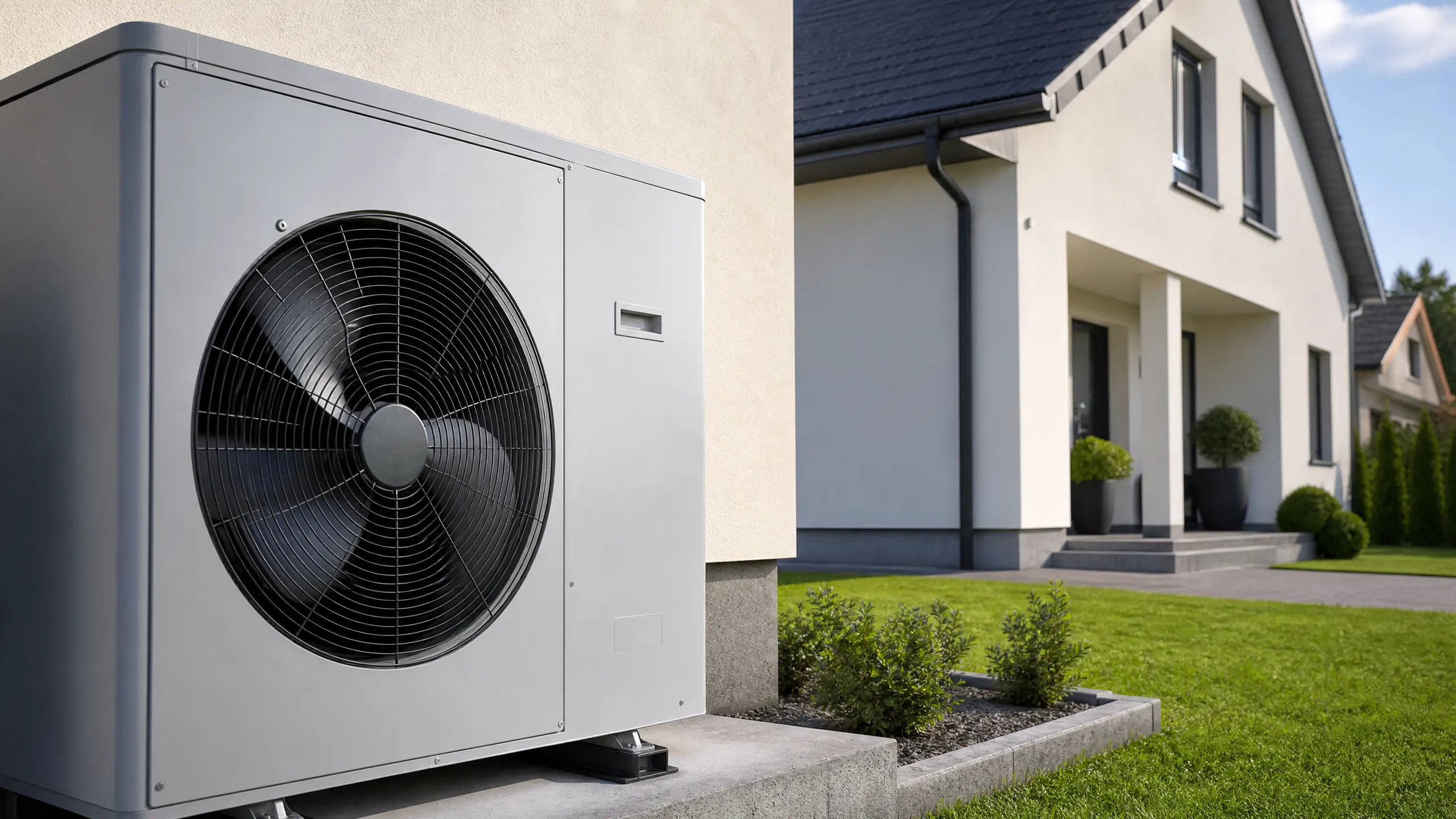
Asheboro asks a heat pump to run almost year round
Your heat pump works nearly every month here, heat from October through April, cooling from May through September. That is far more run time than a furnace or an air conditioner alone would ever see, and it means the compressor and the reversing valve get worked in both directions all year.
Winter nights averaging 32°F sit right where a heat pump has to work hardest, pulling heat from cold air and defrosting itself again and again through the night. That cycle wears on the defrost control board and the outdoor coil. Summer afternoons near 88°F push the system the other way, leaning on the compressor for months at a stretch. With 202 damaging wind events recorded here over the past ten years and a quarter of North Carolina households losing power for at least a day in 2024, a heat pump that stops and restarts on its own after an outage is also common. You will notice it as a system that runs constantly without keeping up, or one that blows air but never quite reaches a comfortable temperature.
- 7 months
- October through April, your system heats
- 5 months
- May through September, it cools
- 32°F
- the average winter night it heats against
- 88°F
- the average summer afternoon it cools against
NOAA nClimDiv, 1991–2020 normals
North Carolina requires HVAC contractors to hold a state license.
The State Board of Examiners of Plumbing, Heating and Fire Sprinkler Contractors licenses the contractor. That license covers the contractor as a whole, not each job, so the same license stands behind every repair the contractor takes on, including this one.
A heat pump repair means opening the refrigerant side of the system, and that part of the job falls under EPA Section 608 certification, a federal rule that applies no matter what state you're in. So the state license accounts for the contractor's standing to do HVAC work in North Carolina, and the federal certification covers the technician handling refrigerant on this repair.
Sources: North Carolina General Assembly · North Carolina State Board of Examiners of Plumbing, Heating and Fire Sprinkler Contractors
- Why is my heat pump blowing cold air?
- In winter this usually means the system is stuck in defrost mode or has switched over to backup heat that isn't kicking in right. A heat pump also blows air that feels cool compared to a furnace even when it's working right, since the air coming out is warm, not hot. If the air feels truly cold, not just cool, the reversing valve may be stuck in cooling position or the system could be low on refrigerant. Either one needs a contractor with EPA 608 certification to check, since that means opening the refrigerant side.
- Why is there ice on my heat pump?
- Some frost on the outdoor unit in winter is normal, and the system should clear it on its own by running a defrost cycle every so often. Heavy ice that doesn't melt off means something is stopping that cycle, often a failed defrost control board, a stuck reversing valve, or a fan motor that isn't spinning. Low refrigerant causes the same buildup because the coil runs too cold. With nights averaging 32°F here from December through February, the outdoor coil is working through a lot of cold hours each winter, so a defrost problem shows up fast. Don't chip the ice off yourself. Turn the system off and have a contractor find out why the cycle isn't clearing it.
- Why is my heat pump running but not cooling?
- The most common reason is low refrigerant from a leak, which means the coil can't pull enough heat out of the air. A dirty outdoor coil or a blocked filter can also choke off airflow enough that the system runs without cooling the house. On a 88°F afternoon, a system running low on refrigerant will fall further behind the longer it runs, so it's worth having it looked at before the next hot stretch. Diagnosing which of these it is means checking refrigerant levels, which by federal law takes a technician with EPA Section 608 certification.