
HVAC Repair in Hickory, NC
Homes here need heat from October through April and cooling from May through September. If your system quits, tell us what it's doing and a licensed contractor who covers Catawba County will get in touch.
Tell us about the job
It takes about a minute.
Hickory runs its heat and its air both, almost all year
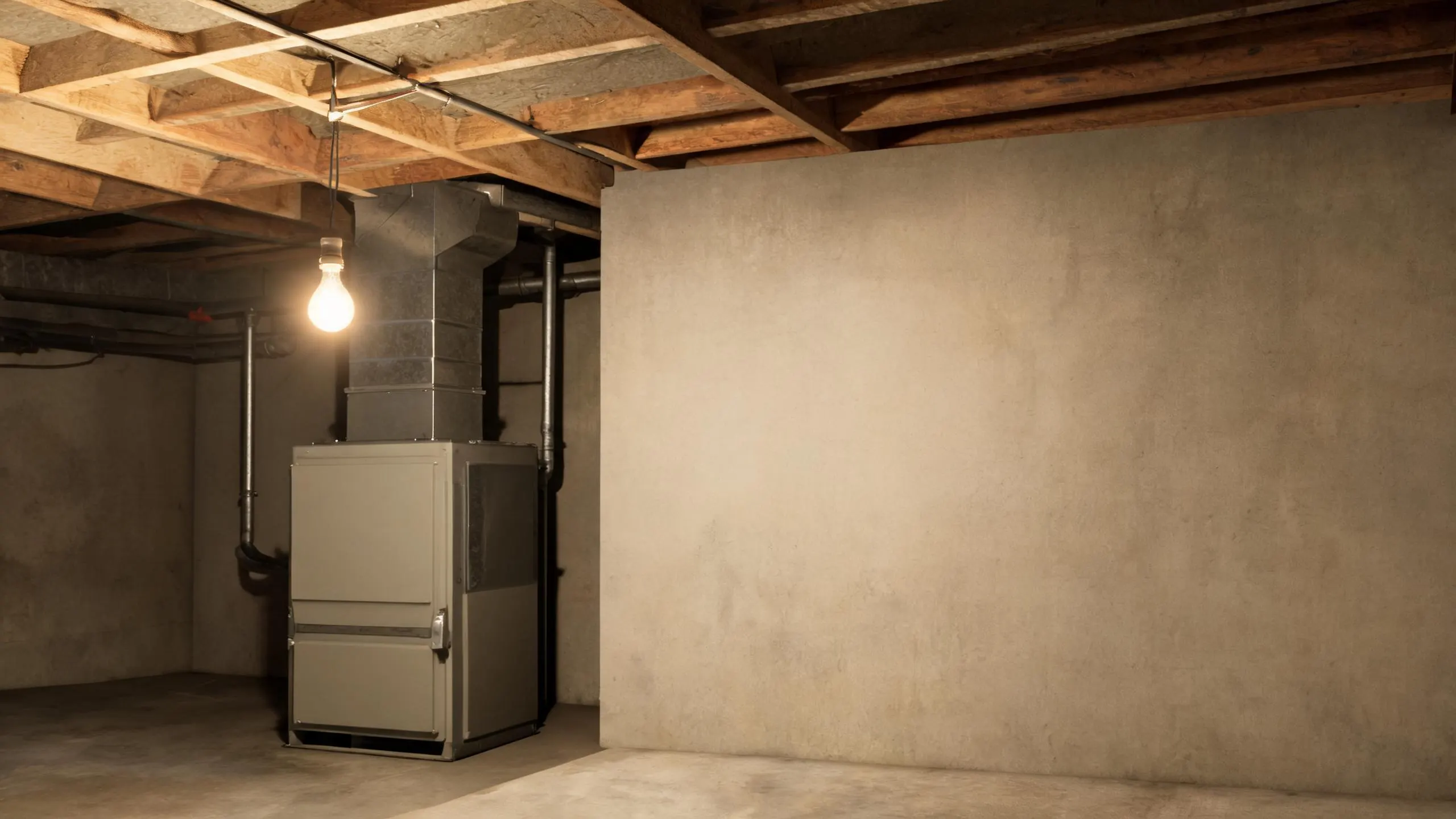
Your system works October through April to keep the house warm, then May through September to keep it cool. That is 12 months of the year with almost no rest between seasons. Winter nights average 31°F here, cold enough that the furnace cycles on and off many times a night, and most homes here heat with electricity, so the strain lands on the heat pump or electric furnace rather than a gas burner. Summer afternoons average 87°F, and the compressor runs hard to keep up, especially in the last hour before sunset.
Catawba County has had 9 winter storms and 66 damaging wind events over the past ten years, and across North Carolina a quarter of households lost power for a day or more in 2024. When the power drops and comes back, most systems restart on their own, but a unit that was already stressed before the outage is the one that fails to come back cleanly. If your heat is short cycling, your air is losing the fight against the afternoon heat, or your system went quiet after the last storm, that is what this county does to a heating and cooling system.
- 7 months
- October through April, your system heats
- 5 months
- May through September, it cools
- 31°F
- the average winter night it heats against
- 87°F
- the average summer afternoon it cools against
NOAA nClimDiv, 1991–2020 normals
North Carolina requires HVAC contractors to hold a state license.
North Carolina licenses HVAC contractors through the State Board of Examiners of Plumbing, Heating and Fire Sprinkler Contractors. That board is the record of who holds a license in this state. The license covers the contractor, not each job, so the same license applies to a repair like this one and to any other heating and cooling work they take on.
For a repair on your system, that license is what stands behind the person doing the work. If the job touches a gas connection, a bad joint there is the dangerous part, and it falls under the same license the contractor already holds in North Carolina.
Sources: North Carolina General Assembly · North Carolina State Board of Examiners of Plumbing, Heating and Fire Sprinkler Contractors
- Why is my heat not working?
- The most common reason is a bad igniter or a flame sensor that has built up a coating and can no longer detect the flame. Both stop the furnace from lighting even though the blower may still run. A dirty air filter can also choke off airflow until the system shuts itself down to protect the heat exchanger. If the thermostat screen is blank or the furnace won't respond at all, check the breaker before anything else. Winter nights here average 31°F, so a furnace that won't light is worth getting looked at the same day.
- Why is my system running but not cooling the house?
- If the blower is running but the air is not cold, the system is likely low on refrigerant or the outdoor coil is blocked. A coil covered in dirt or grass clippings cannot release heat, so the refrigerant inside stays hot and the air coming out of your vents stays warm. A dirty filter causes the same problem from the other side, by cutting off the airflow the system needs to work. Low refrigerant almost always means a leak somewhere in the line, which is not something to top off and ignore since it will run low again.
- What can I check before calling for HVAC repair?
- Start with the thermostat. Make sure it is set to heat or cool as needed and that the batteries are not dead. Next, check the air filter and replace it if it is visibly gray or clogged, since a blocked filter can cause problems that look like bigger failures. Look at the breaker panel for a tripped breaker, especially after a storm. If the outdoor unit has a switch nearby, confirm it is turned on. If the system still is not working after that, a contractor will need to diagnose it further.