
How long an AC takes to cool a house in North Carolina
How long does it take for AC to cool down a house in NC?
You just turned your AC down after walking in from the heat and you're standing there waiting, wondering if something's wrong because the house still feels warm. With how sticky it gets in North Carolina, that wait feels longer than it should, and you want to know what's normal before you start thinking about calling someone.
About two to three hours to drop a house a few degrees
A properly working AC lowers a house about one degree every half hour to hour. So going from 80 down to 72 takes a few hours, not minutes. North Carolina summers push humidity as hard as heat, and your system has to pull that moisture out of the air before the thermostat reading moves much at all, which slows things down even when the unit is running fine. If your house is taking noticeably longer than that, or it never quite gets there, something is making the system work harder than it should, and that's worth having looked at before it turns into a bigger repair.

Thermostat calls for cooling and signals the outdoor unit.
The compressor starts and sends refrigerant to the coil.
The indoor coil pulls heat and moisture from the air.
The blower pushes cooled air through your ducts.
Why does your house feel slow to cool today?
If your AC used to catch up fast and now it's still running an hour later, pay attention to how it's running. Warm air still coming out of the vents, or air that's barely cool, usually means the system isn't pulling heat out the way it should. Ice on the outdoor unit or the indoor coil is another sign, and so is the compressor running nonstop without the house losing any heat. A system working this hard for this long is also running up your electric bill for cooling you aren't getting. Left alone through a North Carolina summer, a system straining like this tends to wear out parts faster, and what starts as a slow cooldown can end with no cooling at all.




Power costs 14.00 cents per kilowatt-hour statewide
At 14 cents a kilowatt-hour, every extra hour your AC spends chasing a slow cooldown shows up on the bill. A unit that's lagging doesn't just take longer to cool your house, it runs harder doing it. Catching the cause early keeps that hour from becoming a habit.
EIA-861 2025 statewide residential average
What's Really Slowing the Cooldown
- A dirty filter is the most common reason a cooldown drags, since it chokes airflow across the whole system.
- Refrigerant doesn't get used up, so a low charge almost always means a leak somewhere in the line set or coil.
- Every degree you knock off the setpoint adds runtime, since the system cools at the same rate no matter the target.
- A coil caked with dust or mold can't pull heat out of the air the way a clean one does.
- An outdoor unit crowded by shrubs or fence can't shed heat well, which slows the whole cycle down.
- Closed or blocked vents in unused rooms push more work onto the rooms you're trying to cool.
A filter clogged with dust cuts airflow across the whole system, and the coil behind it starts icing instead of cooling. That ice buildup is why a struggling system sometimes blows air that is barely cool at all. Refrigerant is a closed loop. It doesn't get consumed the way fuel does, so if the charge is low, it left through a leak somewhere in the line set or the coil itself, and the system has been running on less than it needs for a while. The coil itself matters too. Dust or mold on its surface acts like a blanket, keeping it from pulling heat and moisture out of the air no matter how hard the compressor works. Outside, the condenser needs room to shed that heat back into the air. Shrubs grown in close or a fence built too near the unit traps warm air right where the unit needs to release it, and the whole cycle slows down. Inside, closing vents in rooms you're not using seems like it should help, but it usually just pushes more conditioned air through fewer rooms, straining the balance the system was set up to hold. And the setpoint itself is worth a second look. Dropping the thermostat further doesn't make the air coming out any colder. It just means the system runs longer to get there, since it cools at a fixed rate no matter what number you set.


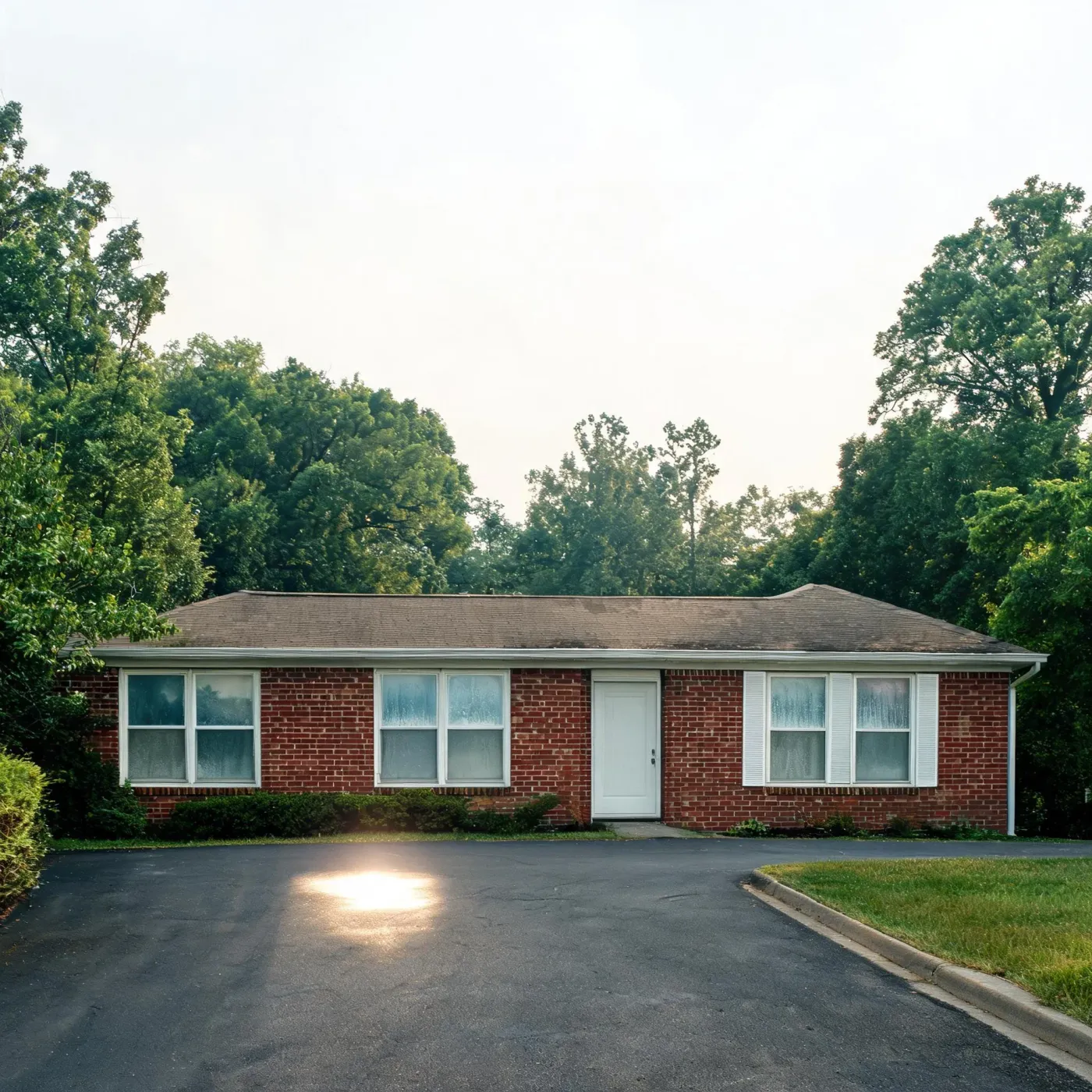
A dew point of 67°F across June, July and August means the air itself is heavy with moisture, not just hot. Your AC has to pull that moisture out before the house feels cool, which is why a cooldown that was quick in April can drag in July even if the thermostat setting hasn't changed. A coil working through air that wet also picks up more condensation, and a tech who services systems in North Carolina all summer knows to check that drain line and the coil's condition before anything else, since that's usually where a slow cooldown starts.
NASA POWER T2MDEW county cells weighted by homes
Done looking for an air conditioner pro

A licensed local pro takes the request for your air conditioner tune-up.
Asking costs nothing, and the choice to hire stays yours.
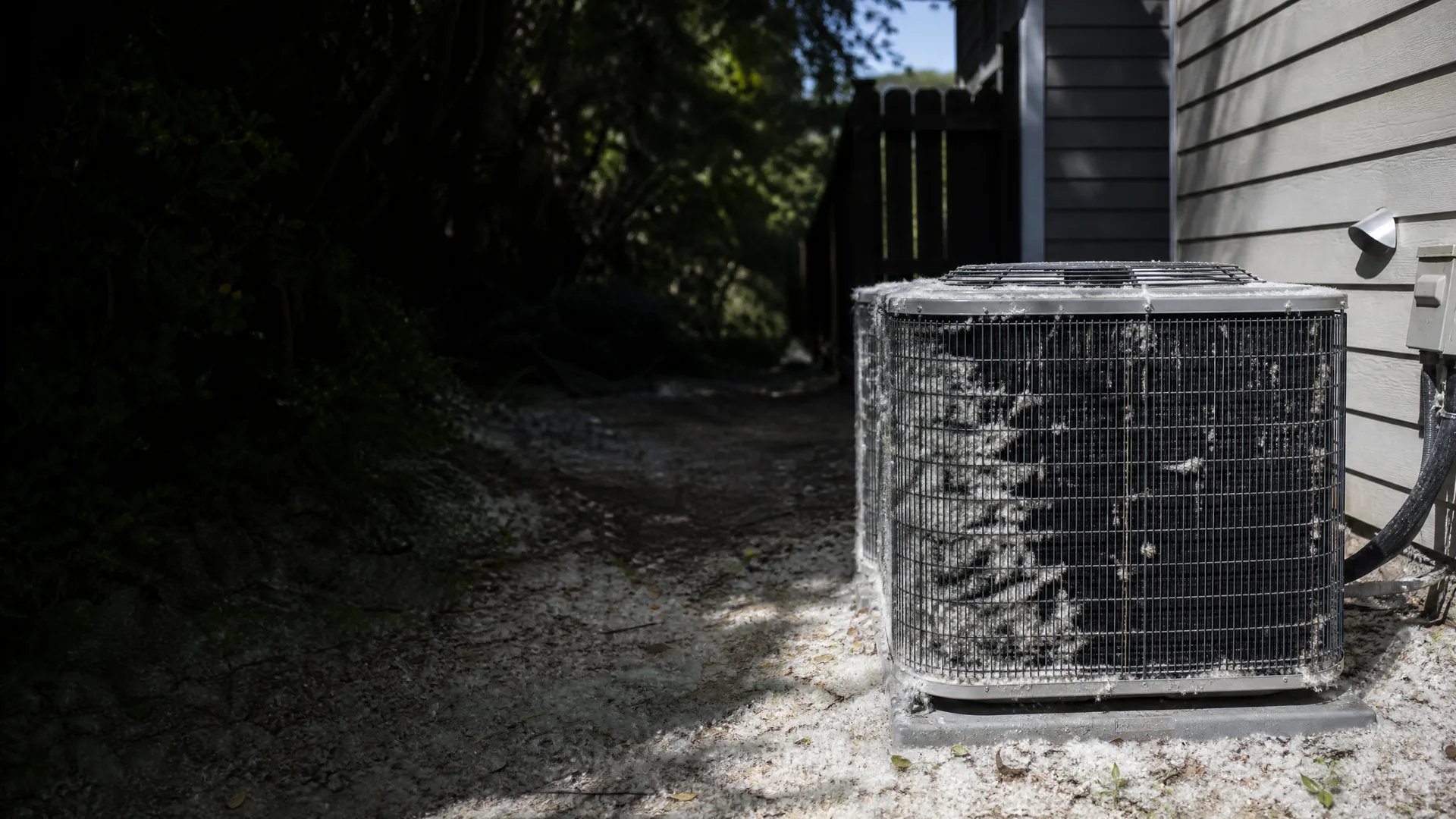
Late May, and the cottonwood seed is coming down like a slow snow across the side yard. You walk out to grab the hose and notice the condenser's fins have gone white with it, packed in tight between the ridges. The unit is running, you can hear the fan, but the sound feels muffled, like it's working through a sweater. You crouch down and brush a hand across the coil and the fluff comes away in clumps, damp from the morning dew. Inside, the house is still holding onto yesterday's heat. You make a note to hose it down before you head back in.
Is Your Cooldown Normal or Stuck?
Normal cooldown
- A unit that's sized right and clean catches up within an hour of a big setback, even in August humidity.
- You hear the outdoor unit cycle off eventually instead of running wall to wall through the afternoon.
- Vents stay cold to the touch the whole time it's running, not just cool for the first few minutes.
- The house loses that sticky feel along with the heat, since a working system pulls moisture out as it runs.
- Rooms farther from the air handler lag a few degrees behind the thermostat but still come down.
Cooldown that's stuck
- Two hours in and the thermostat still hasn't moved, or it moved and stalled a few degrees short.
- Air coming out of the vents is cool at best, not the cold blast you get when the coil's working right.
- The outdoor unit runs nonstop with no cycling off, which means it's not keeping up, not just working hard.
- The house cools some but stays muggy, a sign moisture isn't coming out of the air even as the temperature drops.
- Upstairs or back bedrooms barely move while the room with the thermostat finally gets comfortable.

A quick seasonal check
Before the first hot stretch, a contractor can go through the system while it's still running easy: coil, filter, refrigerant level, the condenser fins outside. Catching a weak capacitor or a coil that's starting to clog in March costs you nothing in comfort. It's a short visit, and it means the system is already working the way it should once North Carolina gets sticky, instead of you finding out the hard way in July.

Waiting until it struggles
Plenty of homeowners don't think about the AC until a cooldown that used to take half an hour is stretching past two. By then the unit may have been running long and hard against whatever's slowing it down, whether that's a dirty filter or a slow refrigerant leak. It still gets fixed, but you've spent weeks of hot afternoons and higher bills getting there, and a part that could have been caught early sometimes fails instead of just wearing down.
A healthy AC in North Carolina catches up within an hour, even on a muggy July afternoon. If yours is dragging longer than that, something in the system is working harder than it should, and it's worth finding out what before it fails on the hottest day of the year. A contractor who services this equipment all summer in your area has seen what usually causes a slow cooldown around here, from a coil caked with cottonwood seed to a filter nobody's changed since spring. You'll be matched with one licensed contractor local to you, not a handful of companies competing for the job, so the person who calls you back is the one who'll actually show up and look at your unit. They'll know what to check first because they've checked it on units like yours before. Get that looked at now, and the next heat wave is just a heat wave, not a repair bill.
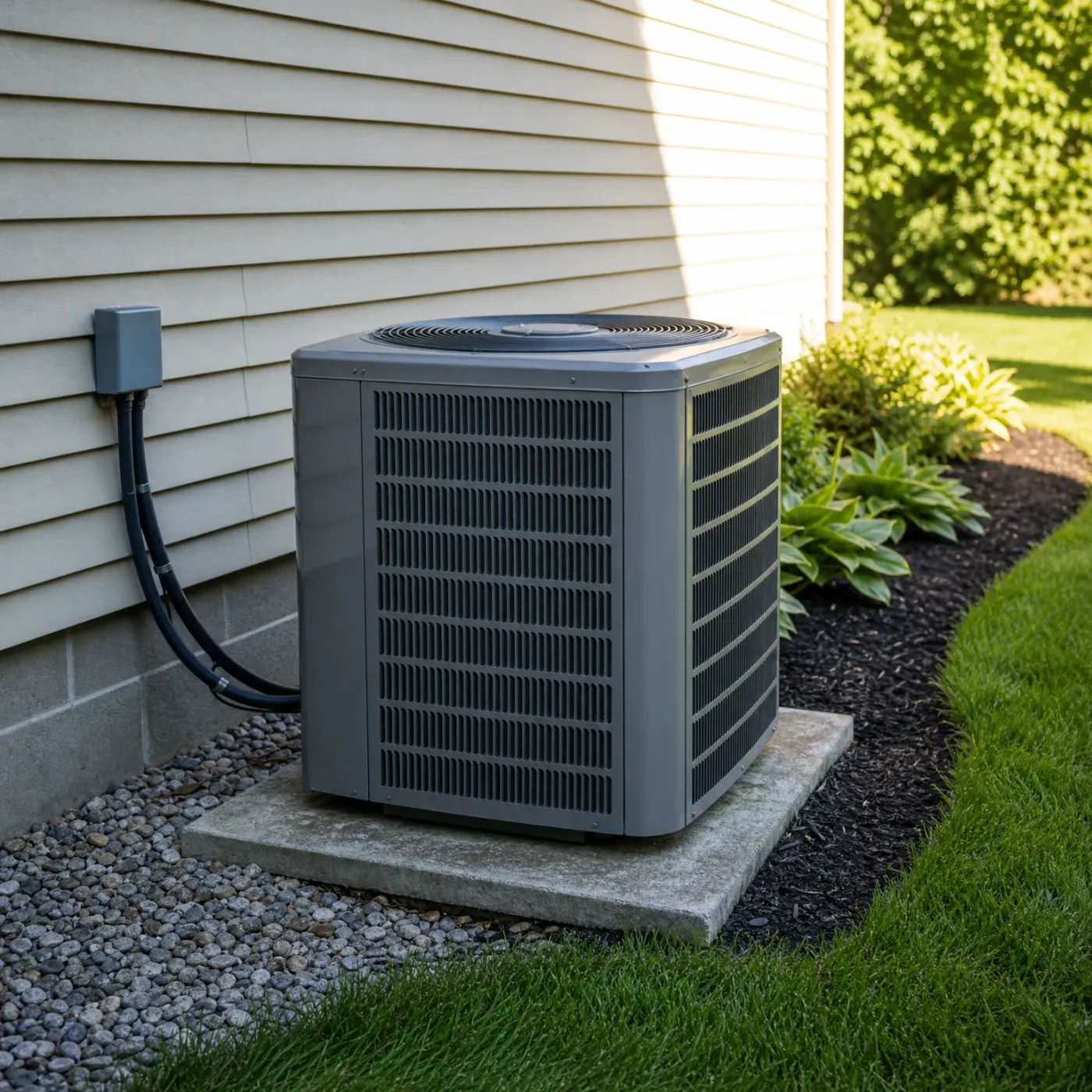
It's off your list after this
Your request goes to one pro, not a list of companies.
No fee to send it, and nothing to sign.