


Clear it yourself
You save a call, but you're reaching into a duct you can't fully see, and a missed scrap of nest will just pack back down with lint.
Get matched with a pro who works on dryer vents in Wake County.
Get a dryer vent proA bird in your dryer vent usually means a bird built a nest there, most often in spring when they're looking for a sheltered spot to raise a brood. The vent hood opens straight outside, and if the flap is weak, bent or propped open by old lint, it looks like a ready-made cavity to a bird. Once a nest is in there, dryer exhaust has nowhere to go. You'll notice the dryer taking longer to dry a load, a burning smell, or the vent hood flap barely moving even when the dryer runs. That blockage traps heat and lint inside the duct, and lint catches fire easily. It also means moisture from the dryer stays trapped in your walls instead of venting out. A bird or nest stuck in the line has to be cleared out before the dryer is safe to run again.
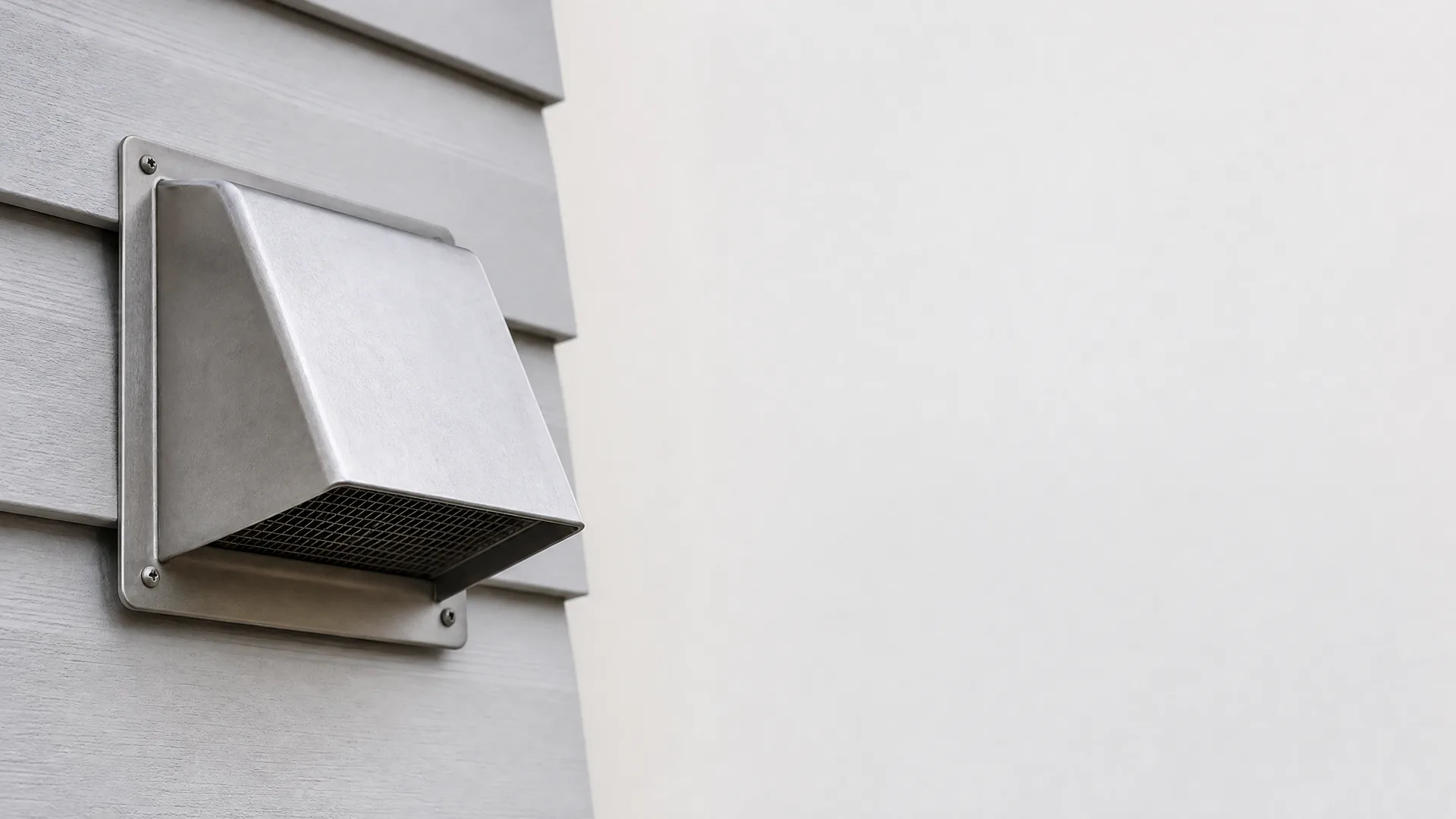
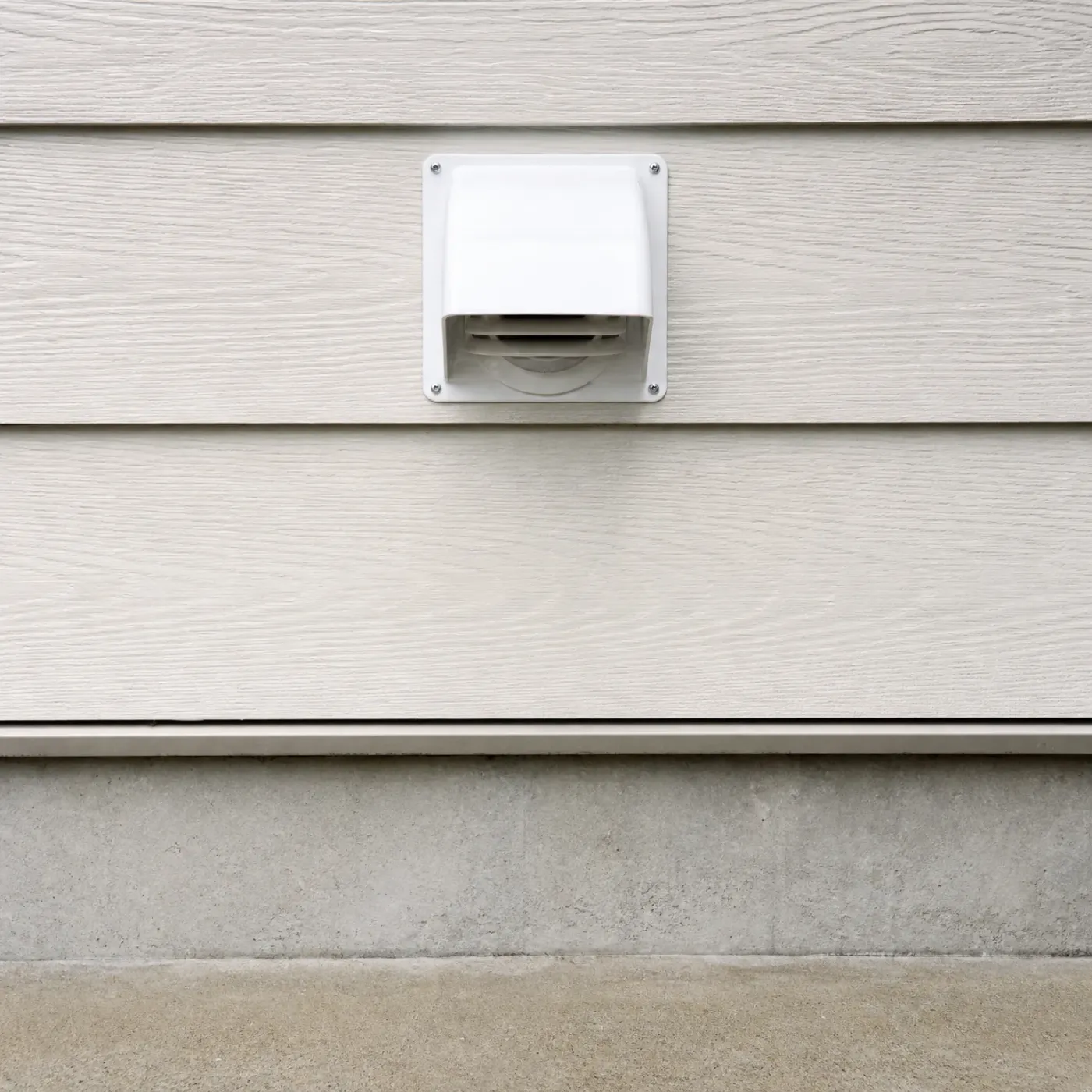
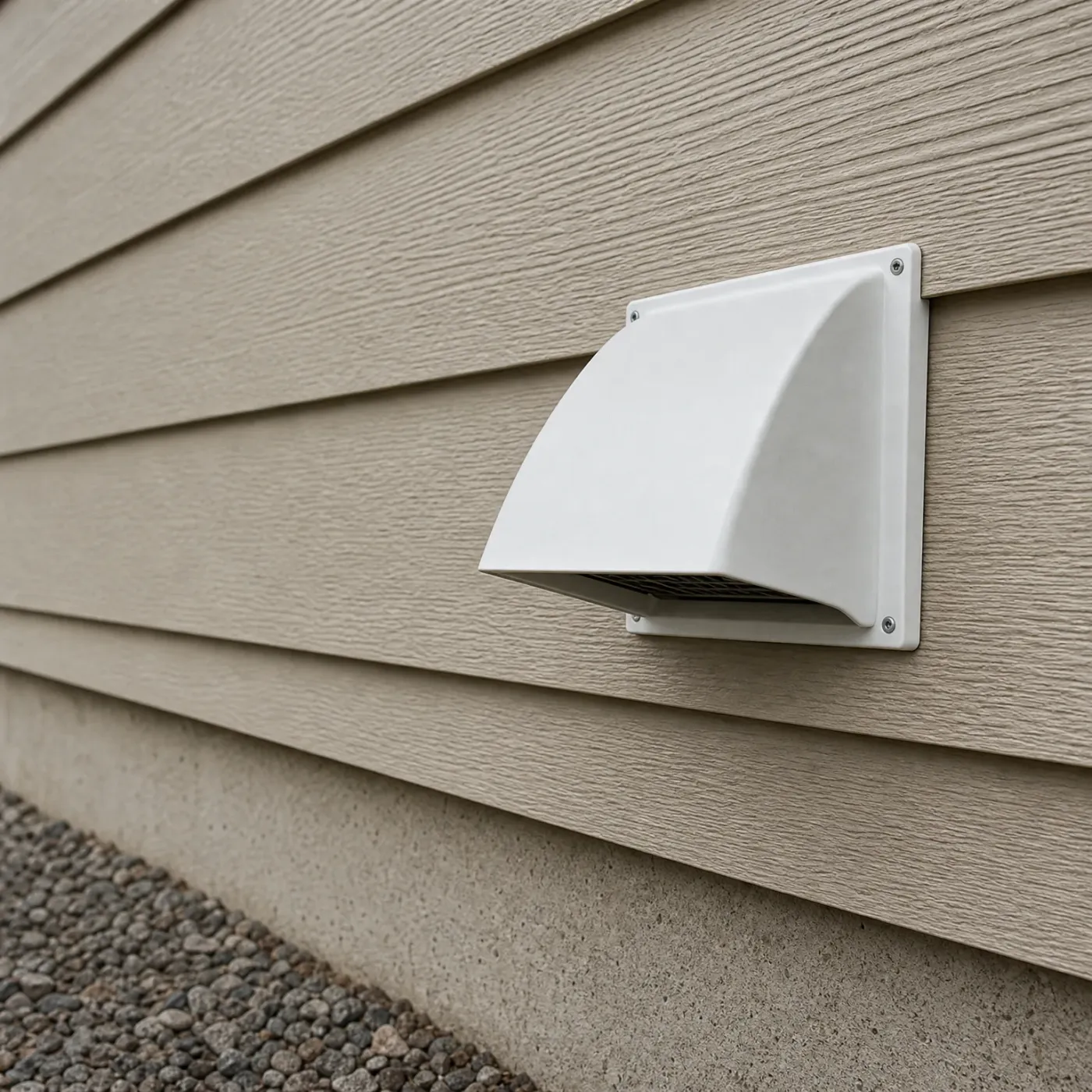
That vent hood is supposed to swing shut on its own once the dryer stops pushing air through it. A flap that sags open, or one with a spring gone weak, gives birds a dark, draft-free gap to work with. Once lint builds up around the hinge, the flap can stop closing all the way, and that small gap is enough room for a bird to start carrying in twigs.

A dryer forces hot, damp air out through that duct every time it runs. A nest packed into the vent gives that air nowhere to go, so it backs up into the duct and the dryer itself. Clothes take longer to dry, the dryer runs hotter than it should, and lint that would normally blow outside collects inside the duct instead, close to the heating element.




A nest packed into the vent blocks the path hot, wet air is supposed to take outside. You'll notice the dryer running longer than it used to, clothes coming out still damp, or the top of the dryer warmer than normal. Some houses pick up a burnt smell when lint trapped against the nest starts to scorch. You might hear scratching or chirping from the vent itself, especially in spring. None of that air is escaping the way it should, and the lint has nowhere to go but back up against the heating element. That's how a blocked vent turns into a house fire, and it's also the easiest sign to miss until the dryer stops keeping up.
A bird works lint and twigs into the open vent hood.
Nesting material packs the duct, narrowing where air can pass.
Hot, wet air backs up instead of venting outside.
The dryer runs longer and heats up more to compensate.
You've noticed the dryer taking longer to dry, or you caught a strange sound coming from the vent outside, and now you're wondering whether you're dealing with a bird's nest or just the ordinary lint buildup that collects in every vent over time. The two can look alike from the outside, but they point to different problems and different ways of dealing with them.
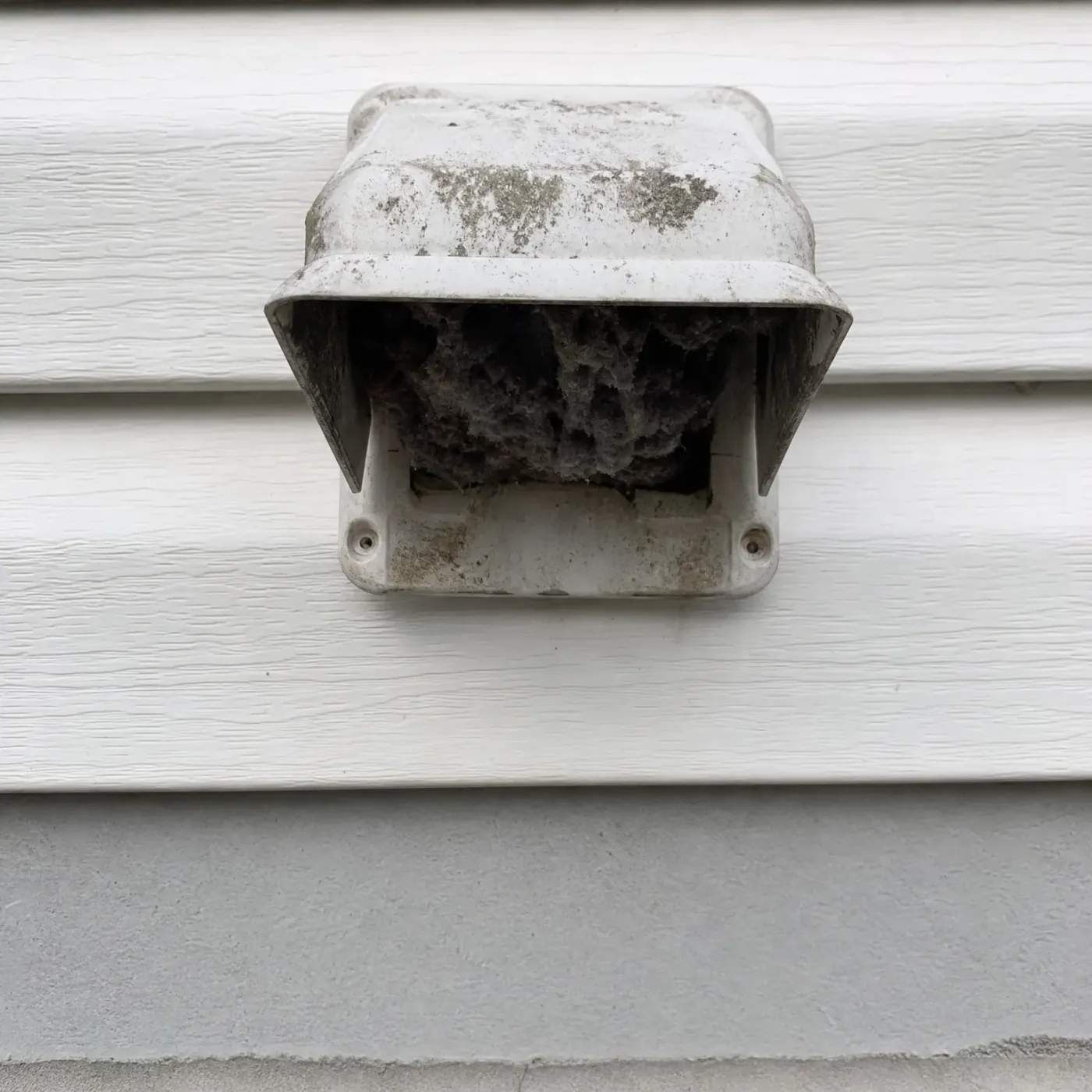
Lint buildup is quiet and gradual. It packs in evenly along the duct and the dryer's drying time creeps up over weeks or months. A bird nest shows up faster, often within a cycle or two, and comes with signs lint doesn't. Chirping or scratching from the vent, especially in the morning, points to a bird, not lint. So does twigs or grass poking out around the hood, or the flap hanging open and not closing flush anymore. Lint alone won't hold a flap open against its spring. If you run the dryer and hear rustling that isn't just airflow, or see material at the hood that looks like nesting rather than gray fuzz, that's a bird, not a clogged duct.
Skip searching for someone who cleans dryer vents in Wake County.
Your request goes to a Wake County pro who takes dryer vent jobs.
No charge to send it. You decide if you hire them.
2.51 people per household on average
Wake County households run 2.51 people on average, so a dryer stuck on two or three cycles a load means more baskets of laundry piling up behind it for the whole house.
Half the homes here were built by 2000
Half the homes in Wake County were built in 2000 or earlier. An older vent run has had more years for the flap spring to weaken and let a bird get in.
Power here costs 14.92 cents per kilowatt-hour
At 14.92 cents per kilowatt-hour, power here runs about average, but a vent packed with nesting material still makes the dryer run longer and push your bill up either way.
ACS 2020-2024 · EIA-861 2025

Every load you dry pushes hot, wet air through that vent. With a nest packed into it, the moisture has nowhere to go but back into the duct and the wall around it. Over time that dampness sits against wood framing and insulation, and lint caught in the same blockage is dry and flammable right where the air is backing up hottest, near the dryer drum. That's the combination that starts dryer fires.
You don't have to sort out whether it's a bird, how bad the blockage is, or who in Raleigh actually handles vent work versus duct cleaning versus pest removal. Answer a few questions about what you're seeing and you'll be matched with a contractor who handles this, and they'll reach out to you directly. No calling around to ask if this is even the kind of job someone takes.



You save a call, but you're reaching into a duct you can't fully see, and a missed scrap of nest will just pack back down with lint.
A contractor runs the full duct run, hood to dryer, and checks the flap closes right so the same bird doesn't come back.
With close to three people in most Wake County households, the dryer is rarely idle for long. A vent packed with nesting material means every one of those loads takes longer, so the slowdown shows up again and again, not just once.
ACS 2020-2024
A bird picked your vent because the flap gave it an opening, and once nesting material packs into the duct, the dryer has to fight to push air through it. That's the slow drying, the hot smell, the second cycle you didn't used to need. Clearing it yourself can work, but only if you can actually see the hood and flap and reach what's inside without taking the wall apart. Miss a scrap of nest and it packs back down with the next few loads of lint, and you're back where you started by fall.
A contractor who runs the full length of the duct, from the hood down to the dryer, and checks that the flap closes on its own again is the way this stays fixed. Getting to that point usually means looking up contractors, calling a few, explaining the nest and the smell and the slow cycles to each one, then sitting with quotes trying to tell them apart. Getting matched skips all of that. You explain it once, and it goes to someone who can look at your vent and tell you what they're dealing with.
Once the duct is clear and the flap seats shut the way it's supposed to, the dryer goes back to drying a load in one cycle instead of two or three. That's the whole fix. No more laundry backing up behind a dryer that can't keep up, no more wondering if the smell is the nest or something worse.

A pro who works on dryer vents



