Side profile of a bearded man wearing a faded dark blue baseball cap and a matching dark T-shirt against a plain light gray background.

Signs of a clogged dryer vent in Greensboro, NC

Duct and vent cleaningGuilford County, NC
Step 1 of 3

What kind of equipment?

A clogged dryer vent shows up as clothes that take two or three cycles to dry, a dryer that runs hot to the touch, or a burnt smell when it's running. Check the outside vent hood while the dryer runs: if the flap barely moves or no air is coming out, the duct is blocked somewhere between the dryer and the wall. Lint is the usual cause, but in Guilford County the long, humid summers add to it, damp lint sticks to the inside of the duct instead of blowing through, so a vent that cleared fine in dry weather can clog faster once it gets muggy out. A full vent also means the hot, moist air the dryer pushes out has nowhere to go but back into the room or trapped in the duct, and that's a fire risk, not just a slow dryer. If you're seeing any of these signs, the vent needs to be cleared out before you run another load.

A white hooded dryer vent with a square mounting plate fastened to beige horizontal lap siding above a concrete foundation wall.
The outside flap opens wide and stays open, and you can feel strong, warm air pushing out against your hand.
A dusty plastic louvered dryer vent hood screwed into beige horizontal vinyl siding above a gray stucco foundation wall, with lint buildup around the slats.
Lint cakes the louvers shut, so the flap sags half open and the airflow behind it barely stirs the air.

Lint doesn't stop at the hood. It builds up inside the duct itself, and the spot right at the drum's exhaust port often has more buildup than the outside vent does. That's the part a quick glance at the hood misses. Every bend in the duct run gives lint somewhere to catch, so a dryer vented through two or three turns to reach an outside wall tends to clog faster than one with a short, straight shot. Outside, the vent pipe is also open to whatever wants to nest in it, and a bird or squirrel getting in there can block the whole pipe on its own. None of this happens overnight. A vent that ran fine for years can narrow slowly, load after load, until one day the dryer is running hot and the clothes aren't drying. The heat you feel on top of the machine is the moist air that couldn't get outside, pushed back into the drum instead. By the time you notice it, the blockage has usually been building for a while.

Where the clog actually forms

  • Lint builds up inside the duct itself, not just at the hood, narrowing the path air has to push through.
  • A bird or squirrel nest inside the vent pipe can block airflow completely, and it happens more than people expect with outdoor vent runs.
  • The longer the duct run from the dryer to the outside wall, the more bends it usually has, and each bend is a place lint collects first.
  • A dryer fighting a clogged vent pumps hot, moist air back into the drum instead of outside, which is why the top of the machine feels hot.
  • Lint that collects right at the drum's exhaust port restricts flow before the air even reaches the duct, and this spot gets overlooked during a quick check.
  • A vent that was never a problem before can clog gradually over a few years of normal loads, so the signs often show up slowly rather than all at once.
A woman with wavy brown hair sits on a beige couch with her eyes closed and a slight smile, a knit blanket over her lap and a closed dark-covered book resting on it, with a lit lamp and plant in the dim background.
A smiling man with dark wavy hair and a short beard, wearing a navy crewneck sweater, sits at a candlelit dinner table with a bowl of food, wine glass and a lamp and framed art behind him.

How much does a clogged vent really cost you to run?

  • 2.38 people per household on average

    With 2.38 people in the average Guilford County household, laundry runs often. A vent working harder every one of those loads adds up fast over a year.

  • Half the homes here were built by 1987

    Half the homes here were built by 1987, old enough that the vent run was likely set decades ago. A path that long clogs sooner and matters more.

  • Power here costs 13.20 cents per kilowatt-hour

    At 13.20 cents per kilowatt-hour, power here is cheap, but a clogged vent still makes the dryer run longer to finish the same load, cycle after cycle.

ACS 2020-2024 · EIA-861 2025

A pile of folded green, beige, and gray towels sits on top of a white washer or dryer in a dim room beside a window with trees outside.

It's almost nine on a Tuesday and you're pulling the third load out of the dryer, still damp, still smelling faintly hot. The towels sat folded in a heap on top of the machine twenty minutes ago, cool enough to touch but not dry. You press a hand flat against one, feel the dampness along the fold, and sigh. The laundry room is warmer than it should be this late in the evening, the dryer ticking as it cools. Outside, a Greensboro night is settling in, humid enough that nothing wants to dry on its own either. You reach over and start the cycle again, knowing you'll be back here in forty minutes checking the same towel.


Why does your dryer smell hot and take forever lately?

You've noticed the top of the dryer is warm enough to make you pull your hand back, and the laundry room holds onto that heat long after the cycle ends. Clothes come out hotter than they used to, sometimes still damp at the hems or waistband. You might catch a faint burnt smell, especially on longer loads. The lint trap looks fine, but lint is building up further down the line where you can't see it. Left alone, that buildup makes the dryer run longer and hotter on every load, and it puts real strain on the heating element. A dryer that can't vent properly is also a known cause of house fires, which is why the smell and the heat are worth paying attention to, not working around.

A smiling bearded man in a navy long-sleeve shirt sits on a gray sofa in a living room, with a bowl of popcorn in the foreground and shelves and a window behind him.
A smiling bearded man in a dark sweatshirt sits on a sofa in a living room with a bowl of popcorn and a mug in the foreground, a potted plant and large window behind him.
A bearded man in a dark green shirt over a white tee sits smiling on a gray sofa in a living room, with a patterned cushion and a bowl of popcorn nearby and a kitchen with pendant lights blurred in the background.
A smiling man in a dark long-sleeved henley shirt reclines on an olive-green sofa in a living room, with a wooden bowl of popcorn in the foreground and shelving and a large potted plant behind him.
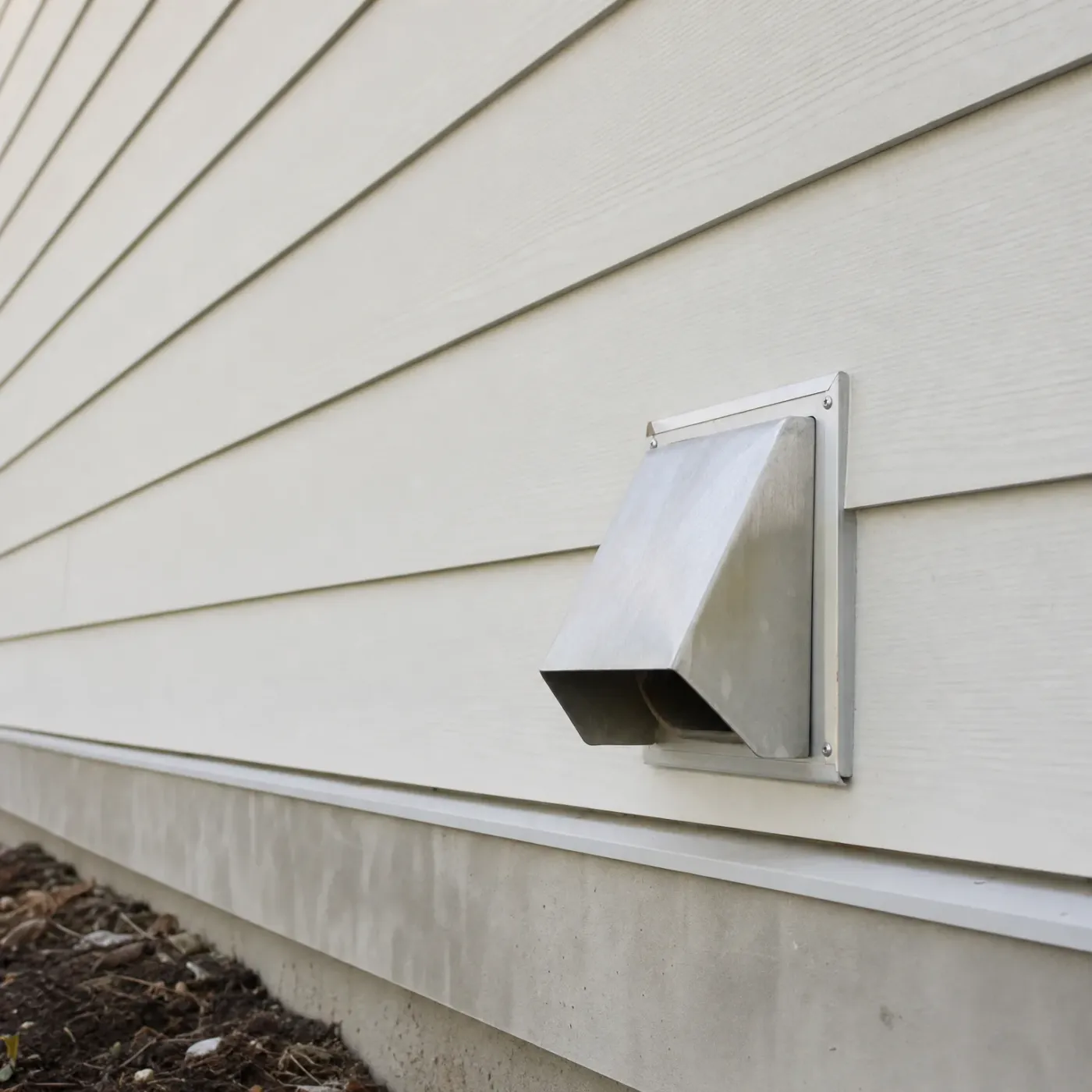
A metal hooded dryer vent mounted on cream-colored horizontal lap siding above a concrete foundation, with bare soil at the lower left.

Finding a pro stops being your job

The pro who gets in touch is licensed in North Carolina and works in Guilford County.

Send the form and finding a dryer vent cleaner is handled.

Get a licensed local pro

Asking costs nothing, and the choice to hire stays yours.

Clear Vent vs. Clogged Vent

Vent is clear

  • A full load of towels comes out dry in one cycle, no second run needed.
  • The dryer shuts off on its own when the cycle ends instead of running past the timer.
  • You can hold your hand flat on top of the dryer right after a cycle without pulling it back.
  • The laundry room stays close to normal temperature while the dryer runs.
  • Lint still collects in the trap every load, same as always, and nowhere else.

Vent is clogged

  • Jeans or towels still feel damp after a full cycle and need a second run to finish.
  • The top of the dryer gets too hot to rest your hand on for more than a second.
  • The laundry room heats up and holds that heat well after the cycle ends.
  • A burnt or hot dust smell comes through the room while the dryer is running.
  • The dryer runs noticeably longer than it used to for the same size load.
  • Clothes come out hotter to the touch than they did a few months ago.
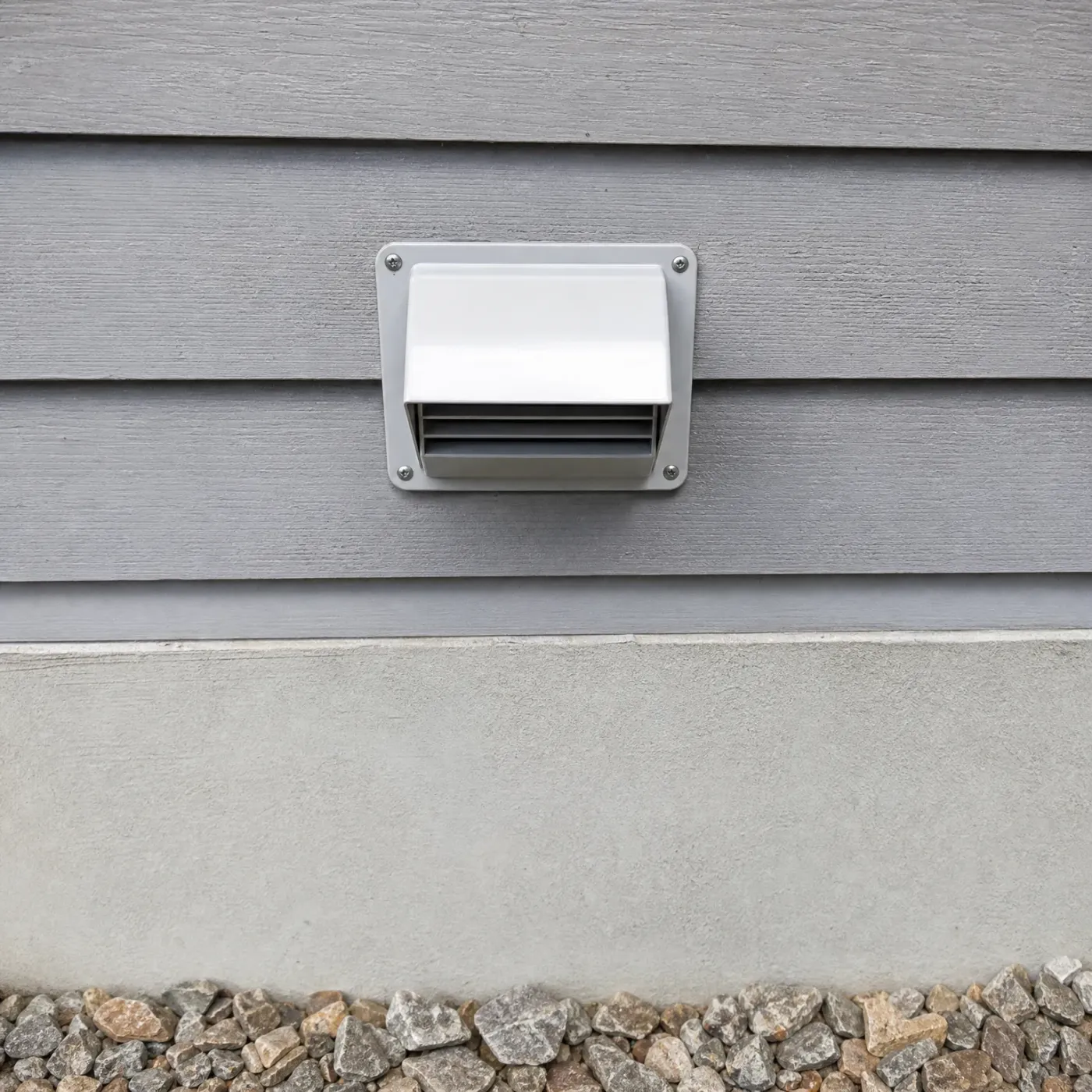
A white hooded louvered vent screwed to gray horizontal lap siding above a concrete foundation wall, with gravel along the ground.

Vent hood working the way it should

This is a clean louvered vent, screwed flush to the siding above the foundation. When the dryer kicks on, both flaps swing open and stay open for the whole cycle, with nothing crusted in the corners to slow them down.

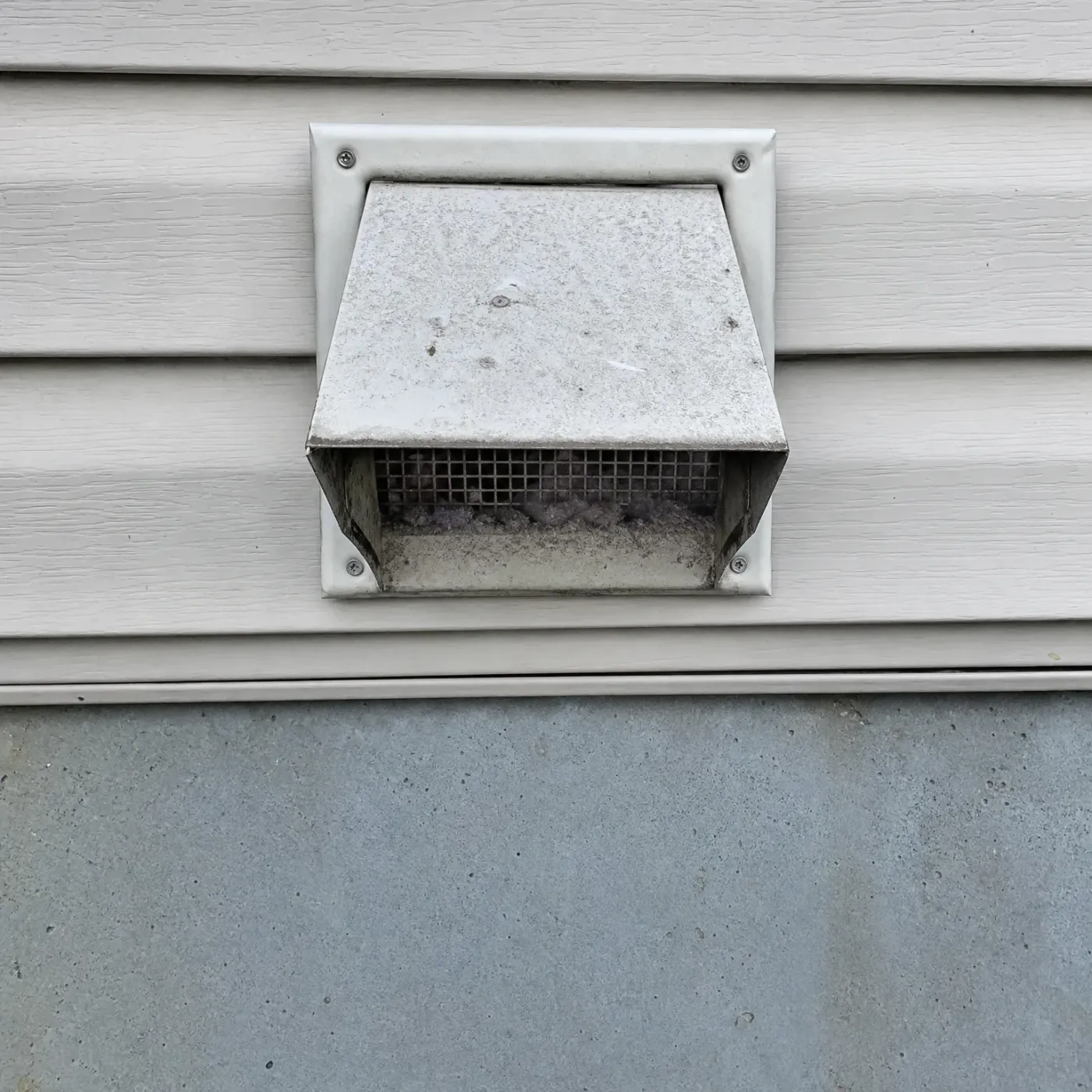
A metal dryer vent hood with a screened opening clogged by gray lint, mounted on light gray horizontal vinyl siding above a concrete foundation wall.

Vent hood choked with lint

This cap is matted over with gray lint, front screen and all, the kind of buildup that takes more than one load to pile up this thick. Air has to fight through what's left of the mesh, so less of it ever makes it outside.

A dirt-streaked white plastic dryer vent hood screwed to light gray horizontal lap siding above a concrete foundation wall.
Before you get your dryer vent cleaning
A white hooded dryer vent with a screened opening mounted on beige horizontal lap siding.
After you get your dryer vent cleaning

A clogged vent doesn't just slow drying. It makes the heating element or burner run longer on every load, and that heat has nowhere to go but back into the dryer and the duct behind it.

That's the heat you're feeling on top of the machine. It's also why lint sitting in a hot, restricted duct is the thing dryer vent cleaning exists to clear out before it becomes a bigger problem.

2.38 people per household on average

At 2.38 people, most Guilford County households are running a load every day, sometimes two. A vent that's narrowing down with lint doesn't get a break between runs to make up for it. It just keeps pushing hot, damp air through a smaller and smaller gap.

ACS 2020-2024

Where That Leaves Your Dryer

  • Two or three cycles to dry one load, a hot dryer top, and a burnt smell are the three signs that point straight to a clogged vent.
  • The outside hood tells you fast: a weak flap or no airflow while the dryer runs means lint or a nest is blocking the duct somewhere behind it.
  • A vent cleaning clears the duct from the drum to the hood, not just the lint trap you empty every load.
  • Someone local who services these vents all year knows whether a crushed duct, a long run, or a bird's nest is the usual culprit in this area.
  • Working with one licensed local contractor means a single visit to sort it out, not a string of calls from different companies.

You came here with a dryer that's taking too long and running hot, and now you know what that means. Lint has built up somewhere between the drum and the outside hood, and the duct is choking down the airflow your dryer needs to work the way it's supposed to. Checking the hood while a load runs told you whether that's what's going on. If the flap won't open or barely moves, the blockage is real and it's not going away on its own.

Clearing it means someone going through the whole run, not just pulling lint out of the trap you already empty. That's work for someone who does it on vents like yours regularly, not a one-time job figured out as they go. Guilford County has long vent runs, tight crawlspace routing, and the occasional nest built into an outdoor hood, and a contractor who works on this equipment all year has seen which of those is the usual cause behind a slow-drying dryer in a house like yours.

Sending the request connects you with one licensed local contractor, not a handful of companies competing for the job. That means one visit, one person who already knows what tends to fail in vents around here, and no juggling calls to figure out who's actually coming. You've done the work of figuring out what's wrong. What's left is getting it cleared before it costs you more in time, in heat, and in cycles that don't finish the job.

A lit ceramic table lamp with a linen shade sits on a round wooden side table with a small vase of greenery and a dark shallow bowl, beside a beige upholstered sofa with a cushion and knit throw, below a framed artwork on a pale wall.
Corner of a beige linen sofa with a large woven cushion and a fringed knit throw, beside a potted leafy tree in a woven basket against a neutral wall.
Sunlit interior corner with a wood-framed armchair with beige cushions and a striped pillow, a leafy plant in a tall ceramic pot, a window with wood sill showing green foliage outside, and dark wood flooring.
A lit black path light beside a stone walkway leading to a dark front door of a white clapboard house, with shrubs and flowering plants in the bed at dusk.
A covered porch at dusk with a wooden front door, a lit lantern wall sconce on gray horizontal siding, a black rocking chair with a cream throw, a potted white flowering plant, a coir doormat, and a window showing a lit interior lamp.

Let someone else find the pro

A licensed pro who works in Guilford County gets your request.

I'm done searching

No fee to send it, and nothing to sign.