
Ducts that are doing their job
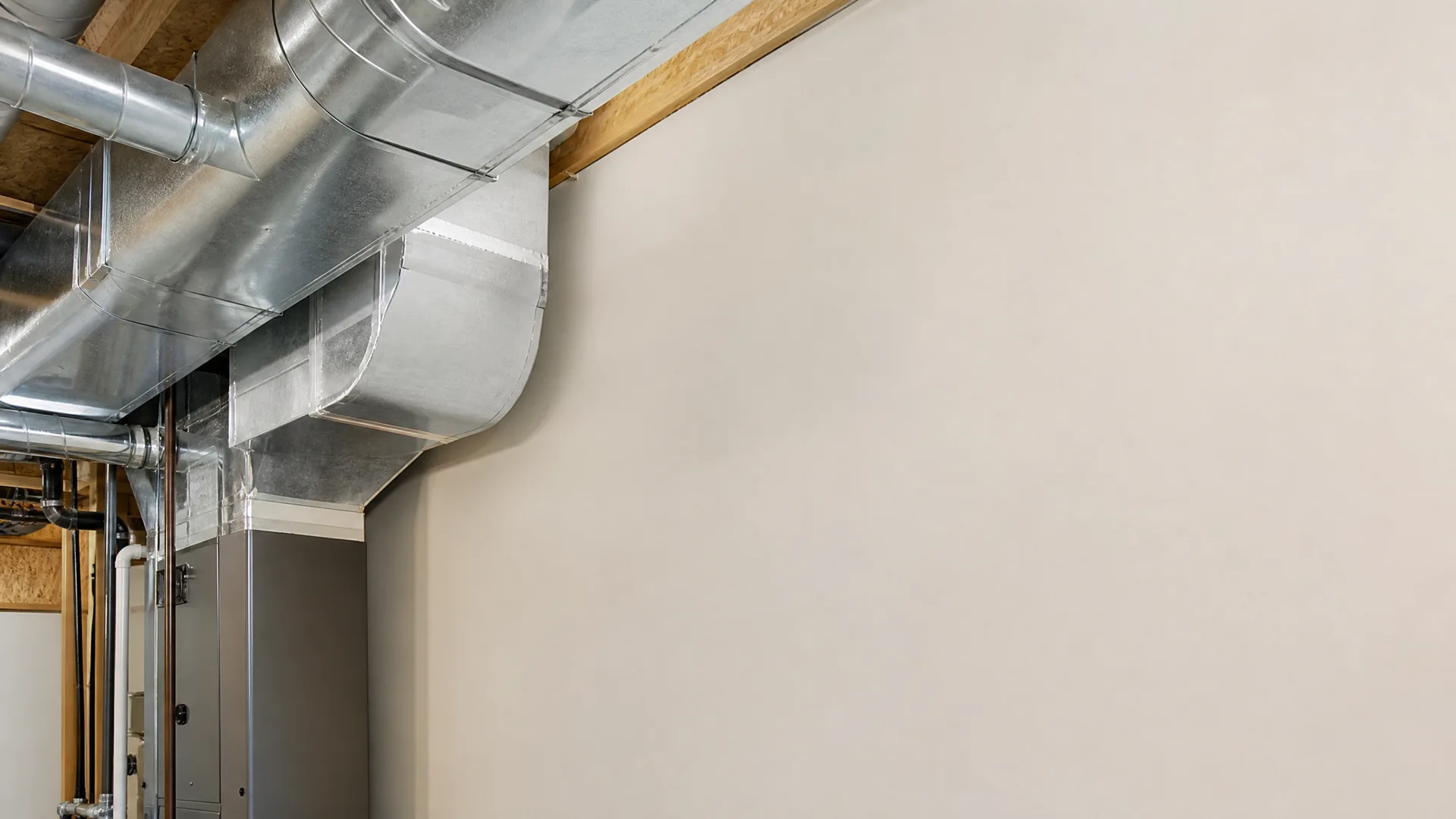
This is what a duct system looks like when it's sealed and running clean. Supply and return runs connected tight, moving air to each room without pulling in anything from the basement itself along the way.
Dust settling back on the shelves a few days after you wipe them down usually means your duct system is part of the problem, not just the air in the room. In Guilford County that system runs most of the year, cooling through a long sticky summer and heating through a cold winter, and it moves whatever is sitting in it every time it kicks on. Figuring out whether the cause is the ducts themselves, the filter, or something else in the system is not always obvious from the house, and guessing at it wastes time. Answer a few questions about your home and you get matched with a contractor who handles duct cleaning in this area and can look at your specific setup. They will reach out to you directly. You stop chasing dust and researching parts you cannot see, and hand that off to someone who can actually get into the ductwork and tell you what is going on.
You dust the shelves on Saturday and by Wednesday there's a film on them again. It feels like the dust is coming from somewhere you can't see, not just settling out of the air in the room. If the cleaning never seems to hold, the house itself is adding dust faster than normal living would explain.
Every time your system runs, air moves through the ducts and back into the house. If dust has built up inside that ductwork, or the filter isn't catching what passes through it, the system blows some of it back into every room it feeds. In Guilford County that system runs nearly year round, through a long humid summer and a cold winter, so there's more time for dust to collect inside the ducts and more cycles pushing it back out. A loose duct joint or a gap around the filter housing lets in dust from the attic or crawlspace too. Wiping shelves only clears what's already landed. It doesn't stop the next cycle from adding more.
A duct system moves the same house air over and over, all day. Any dust riding in it passes the return grille, through the filter, and back out through the supply vents. A filter only catches what passes straight through the fibers. Dust that clings to the inside of the ductwork, or sits in bends and joints, doesn't go through the filter again. It gets carried along and dropped wherever the airflow slows down, which is usually the furniture in the room you just cleaned.
With electric heat running all winter and AC running long into fall here, the blower in your system cycles on and off thousands of times a year. Every cycle pushes air across whatever has built up inside the ducts. A thin coat of dust inside the ductwork doesn't block airflow enough to trip anything or raise your bill in a way you'd notice. It just keeps feeding the same dust back into the house, cycle after cycle, long after the shelves look clean again.
At 13.20 cents per kilowatt-hour, running your blower longer than it needs to doesn't hit your wallet as hard as it would elsewhere. That's worth knowing, because a duct system clogged with dust makes the blower work harder and run longer to move the same air through your house.
EIA-861 2025
A clogged filter does not stop dust, it adds to it. Once airflow backs up behind a filter packed with debris, air starts finding the gaps around the frame instead of passing through the media, carrying dust straight past the one part meant to catch it. A clean filter, seated tight with no gap at the edges, forces all the air through the material and pulls dust out of circulation every time the blower runs. The difference shows up fast in a house that runs its system most of the year. Two homes on the same street, same duct layout, same blower, can have very different dust on the shelves depending on which filter is sitting in the slot right now.
A duct system with dust built up along its walls sheds a little of it into the airflow every time the blower kicks on, no matter how good the filter is. That loose dust works its way out the supply vents and settles in the room again within days. A duct system that has been cleaned out doesn't have that reserve to draw from. The air moving through it picks up nothing extra on the way to the vent. A house can have a brand new filter and still stay dusty if the ducts behind it are the ones doing the shedding, which is why the two parts of the system have to be looked at together.
Half the homes here were built by 1987
Half the homes in Guilford County were built in 1987 or earlier, so a lot of duct systems in the area are old enough to have loose joints and gaps that pull in dust as they run.
Heat runs October through April
Heat runs October through April here, seven months of pulling air through the ducts and pushing it back out through every vent in the house.
Cooling runs May through September
Cooling runs May through September, so for five more months that same duct system is moving air and whatever dust is riding in it.
ACS 2020-2024 · NOAA nClimDiv 1991-2020




You have already wiped the shelves once this week and the film is back. That is what a duct system clogged with dust does. It keeps pulling return air past gaps and loose joints, pushing the same dust back out through the vents, and a filter can only catch what passes straight through it. Heat runs October through March here and the blower runs with it, so that dust gets moved through the house for months at a time. None of that gets better on its own, and taking the ducts apart to find where the dust is coming from and clear it out is not a Saturday project. A contractor who works on duct systems in Guilford County can look at yours, find where it is pulling in dust, and clean it out. Send the request and that becomes someone else's job to sort out, not yours.

This is what a duct system looks like when it's sealed and running clean. Supply and return runs connected tight, moving air to each room without pulling in anything from the basement itself along the way.

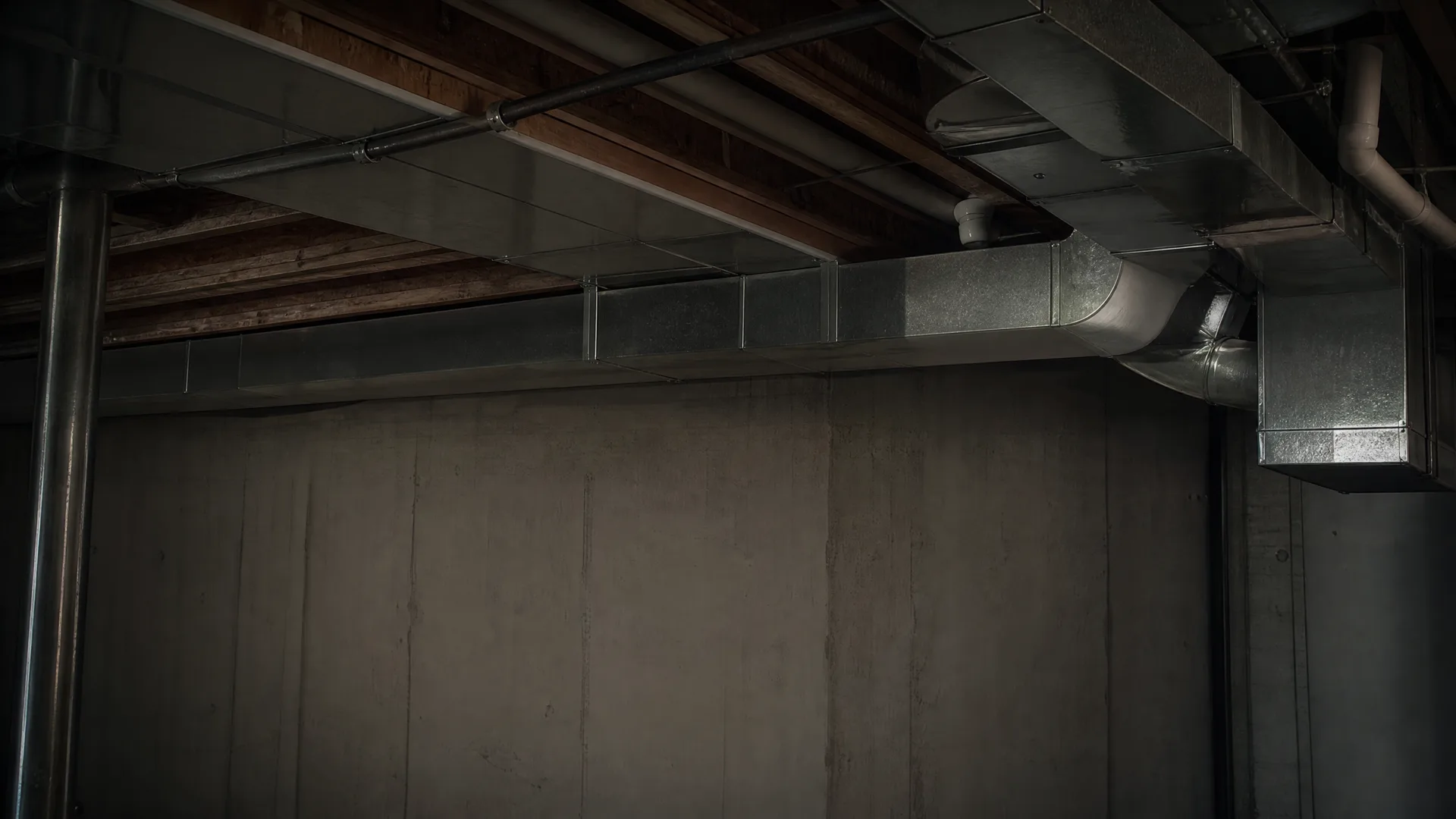
Runs like these, exposed along the joists with gaps at the seams, pull air from the basement every time the blower kicks on. That air carries dust straight into the ducts and back out through your vents.
Dust and debris get pulled in through gaps in the return side
The blower pushes that air through the filter at the air handler
Anything the filter misses travels on through the supply ducts
Supply vents release that air, and the dust riding with it, into each room

Every room on that duct system carries the same dust, not just the one you're standing in. The nursery you keep shut up, the living room you vacuum twice a week, the guest room nobody sleeps in: if they're all fed by the same ducts, they're all getting the same film back within days. Closing a door doesn't stop it, because the dust is riding in through the vent, not drifting in under the door.
It also means the cleaning you're already doing is working against a system that keeps resupplying the problem. Wiping shelves, running the vacuum, changing the filter on schedule, none of that touches what's moving through the ducts themselves. A contractor who looks at your system can tell you whether the ducts are the source and what shape they're in. Once you request that, the work of finding someone to check it is off your plate.


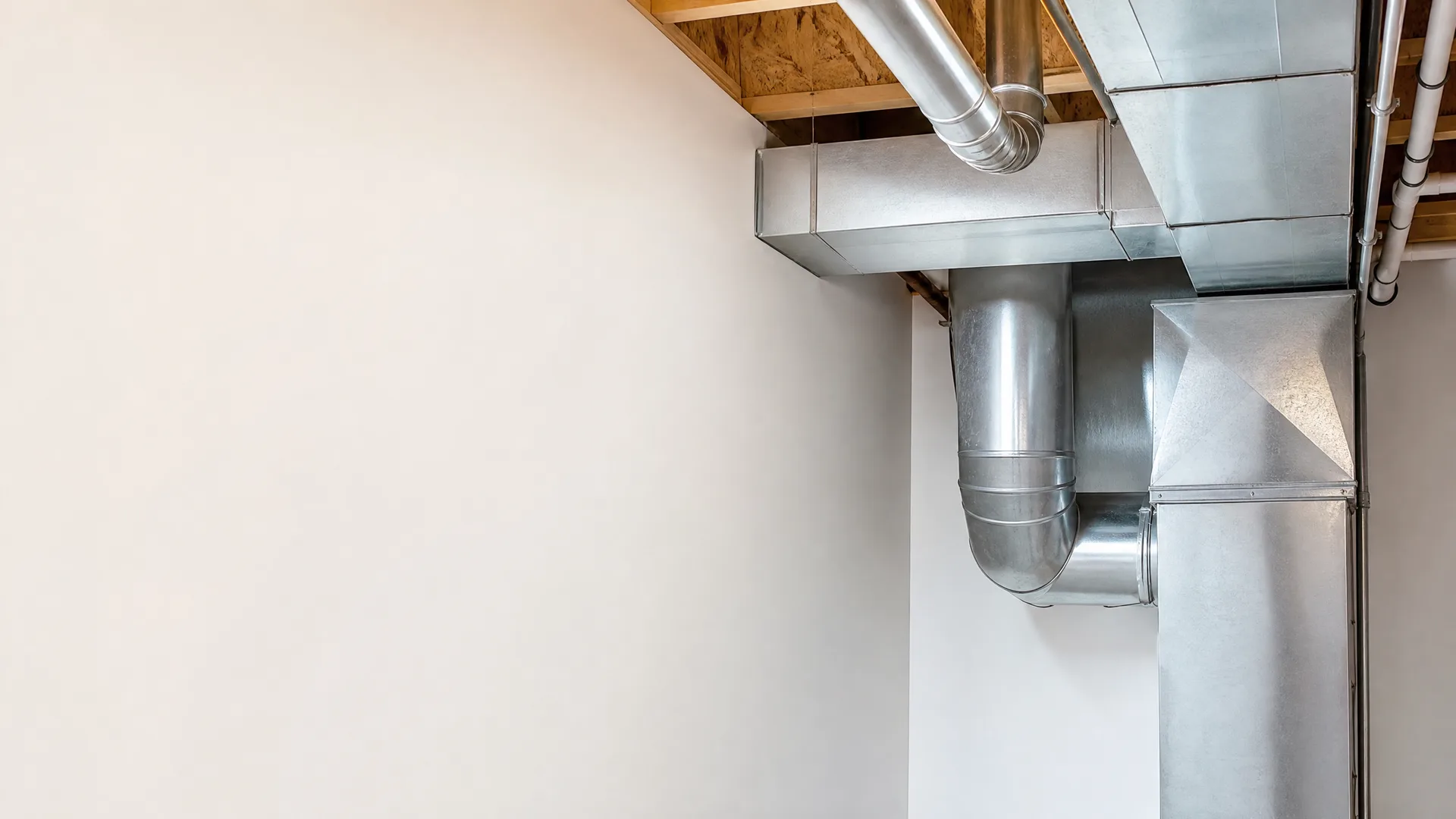
This is what the ductwork looks like when the joints are tight. Supply and return runs connect straight to the furnace and water heater unit without gaps, so the air moving through them is only the air that left the room.

Here the runs sag and separate along the joists, and every loose seam is a place for basement air to get pulled in. That air carries dust straight into the supply side, past the filter, and back out into the rooms it feeds.
The dust coming back on the shelves a few days after you clean them is not bad luck. It is air moving through ducts with gaps in them, picking up dust along the way and spreading it to every room the system feeds. Sealing those gaps and clearing out what has built up inside is duct work, not a wipe-down job, and it is not something you can see or fix by looking at a vent cover. Once you send the form, you are done hunting for someone who does this kind of work. A contractor who handles duct sealing and cleaning in Guilford County gets your information and reaches out to you. You will not spend evenings calling around or trying to figure out who is any good at it. The dust told you where the problem is. The next step is just handing it off.
Send the form and finding a duct cleaner is handled.