
Over 13,000 home fires a year start in clothing dryers
Most trace back to lint that never had anywhere to go. A clogged vent turns a routine load into fuel sitting next to a heat source.
You keep seeing warnings about dryer vent fires and wonder if that's really something that happens here, or just a national statistic that doesn't apply to your house. You run loads several times a week, year round, and you've noticed the dryer taking longer to dry a load lately. You want to know if that's just a nuisance or something that actually puts your home at risk.
Lint is the fuel. It builds up inside the vent every time you dry a load, and it catches fire easily when it sits against the heat of the dryer's drum. A clogged vent traps that heat instead of letting it escape outside, so the dryer runs hotter than it's built to run. That's how a lint clog turns into a house fire, not an exaggeration. In Mecklenburg County, with summers that stay muggy for months, you likely run the dryer often and year round rather than a few weeks a year, which means more lint moving through the vent and more chances for it to build up unnoticed. A dryer that's taking longer to dry clothes is often the first sign the vent is already restricted.
Lint builds up inside the vent duct with every load
Airflow slows, so the dryer runs hotter to finish drying
Trapped lint sits near the heating element or gas burner
Heat has nowhere to go and lint ignites inside the duct
2.44 people per household on average
A household here runs 2.44 people's worth of laundry through one dryer. More people means more loads, and more loads mean lint builds up in the vent faster.
Half the homes here were built by 1997
Half the homes in Mecklenburg County were built in 1997 or earlier. A vent duct that old has had decades to collect lint in bends and joints you can't see.
Power here costs 13.33 cents per kilowatt-hour
Electricity here runs 13.33 cents per kilowatt-hour, cheap enough that a dryer working harder against a clogged vent doesn't show up as an obvious jump on the bill.
ACS 2020-2024 · EIA-861 2025
Think about what your own dryer does every time you run it. You load it, start it, and walk away to do something else, maybe start a second load before the first one finishes. If the vent is clogged, the dryer is working against a wall of lint every single time, and you won't see it or smell it until something goes wrong. A dryer that takes two cycles to dry one load of towels is telling you the air isn't moving. That heat is building up somewhere it shouldn't, behind the drum or inside the duct, with lint sitting right there. You won't get a warning beyond that. The dryer doesn't shut itself off because the vent is blocked. It keeps heating, cycle after cycle, for as long as you keep using it that way. For a house that runs laundry several times a week, that's not an occasional strain, it's a regular one. The risk isn't hypothetical weather or a number from somewhere else. It's your vent, behind your dryer, building up a little more with every load you run.
Most trace back to lint that never had anywhere to go. A clogged vent turns a routine load into fuel sitting next to a heat source.
Clearing the duct gives heat and lint a way out again, so your dryer isn't running hot against a blockage every time you start a load.
Run a load and pay attention. A shirt that's still damp after a full cycle, or a dryer that runs long and still doesn't finish, is a sign the air isn't moving through the duct the way it should. Touch the dryer itself. If the front or the top feels warmer than usual, that's heat staying inside instead of venting out. Check the outside hood while a load is running. If you don't feel much air coming out, or if you catch a burning smell anywhere near the laundry room, the duct is likely packed with lint. That lint sits right next to the heating element, and it's what feeds a dryer fire once there's enough of it.
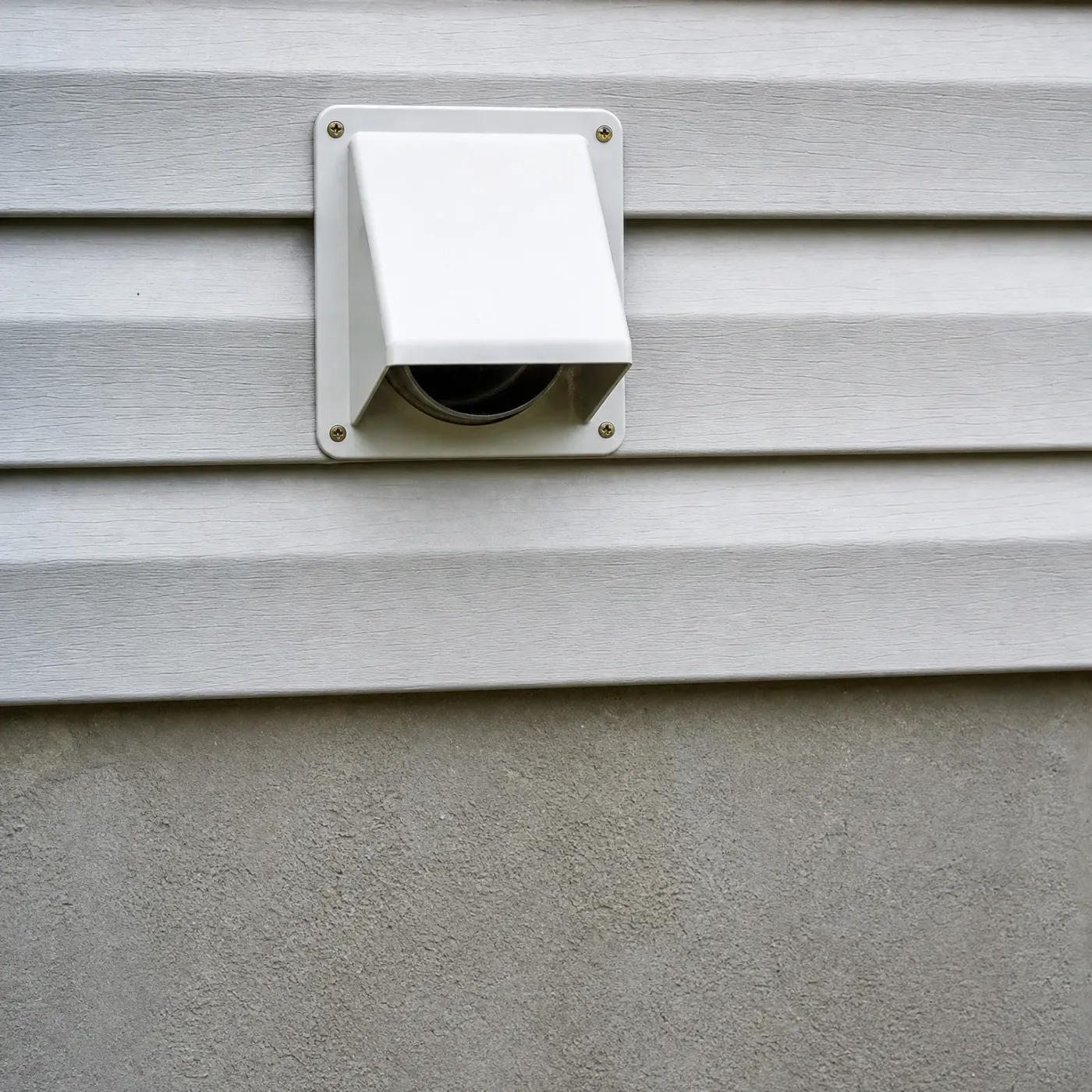
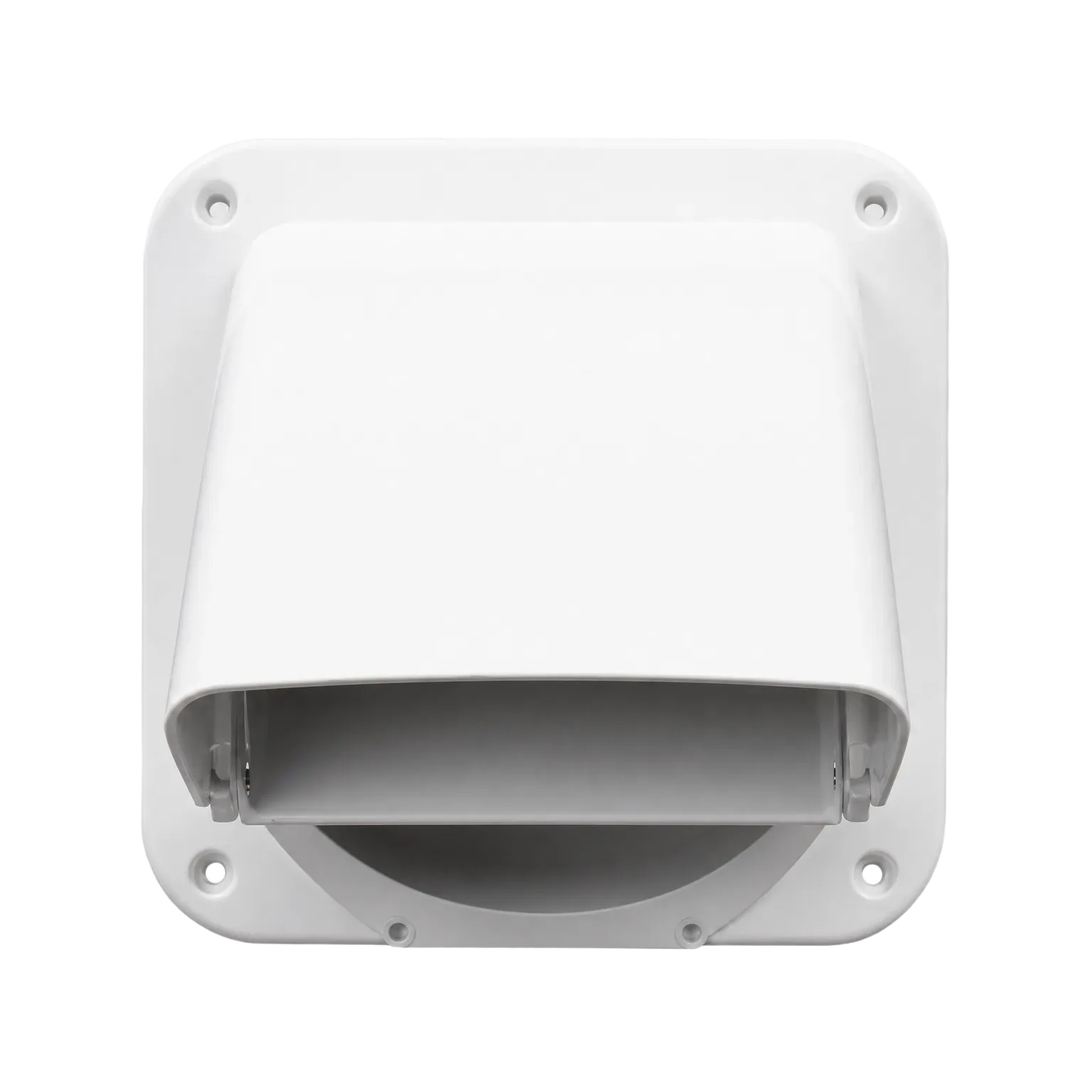
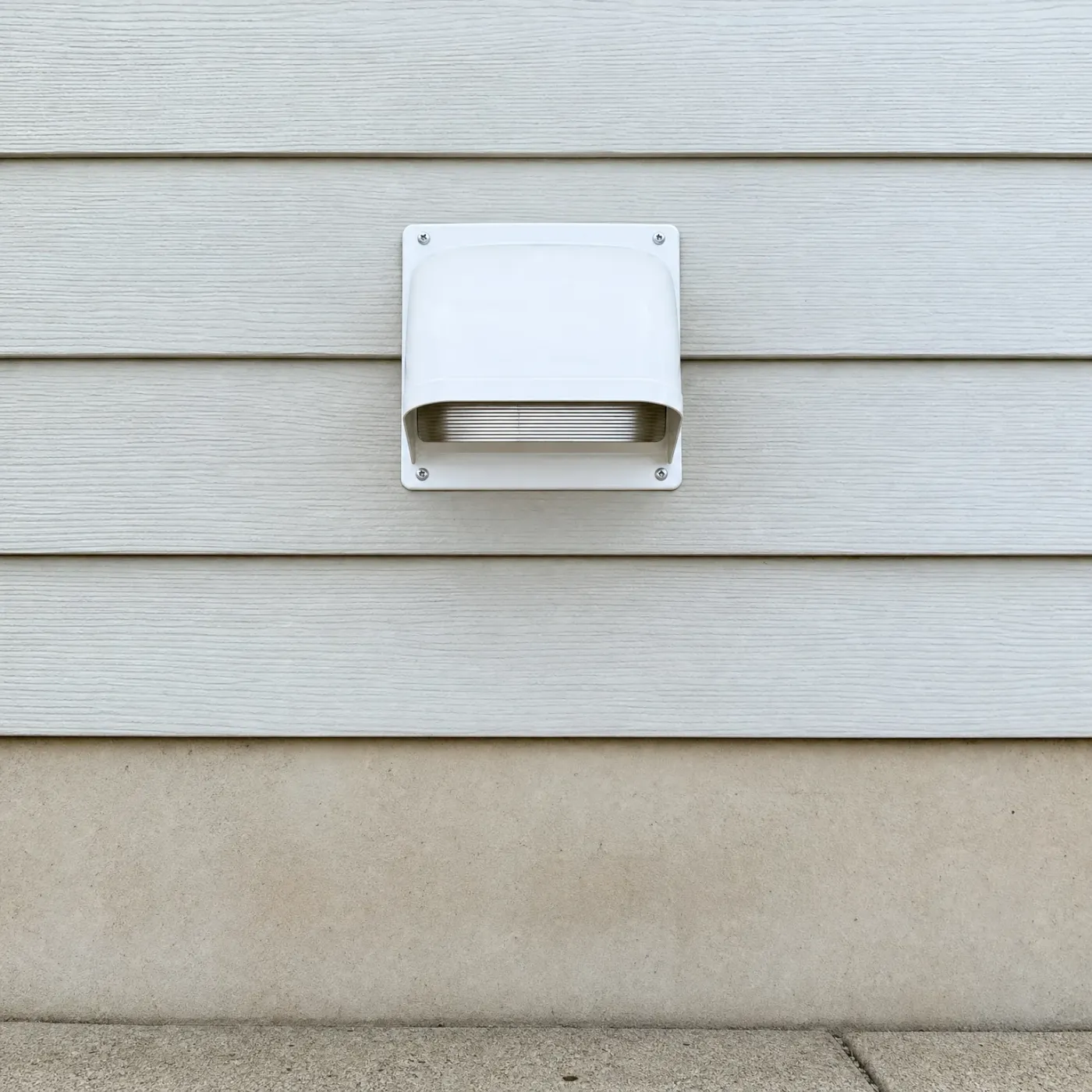
A clean vent cap like this hangs loose and the flap moves freely when the dryer kicks on. Air pushes out hard enough to swing it open. Nothing blocks the opening, so heat and moisture leave the duct instead of building up inside it.
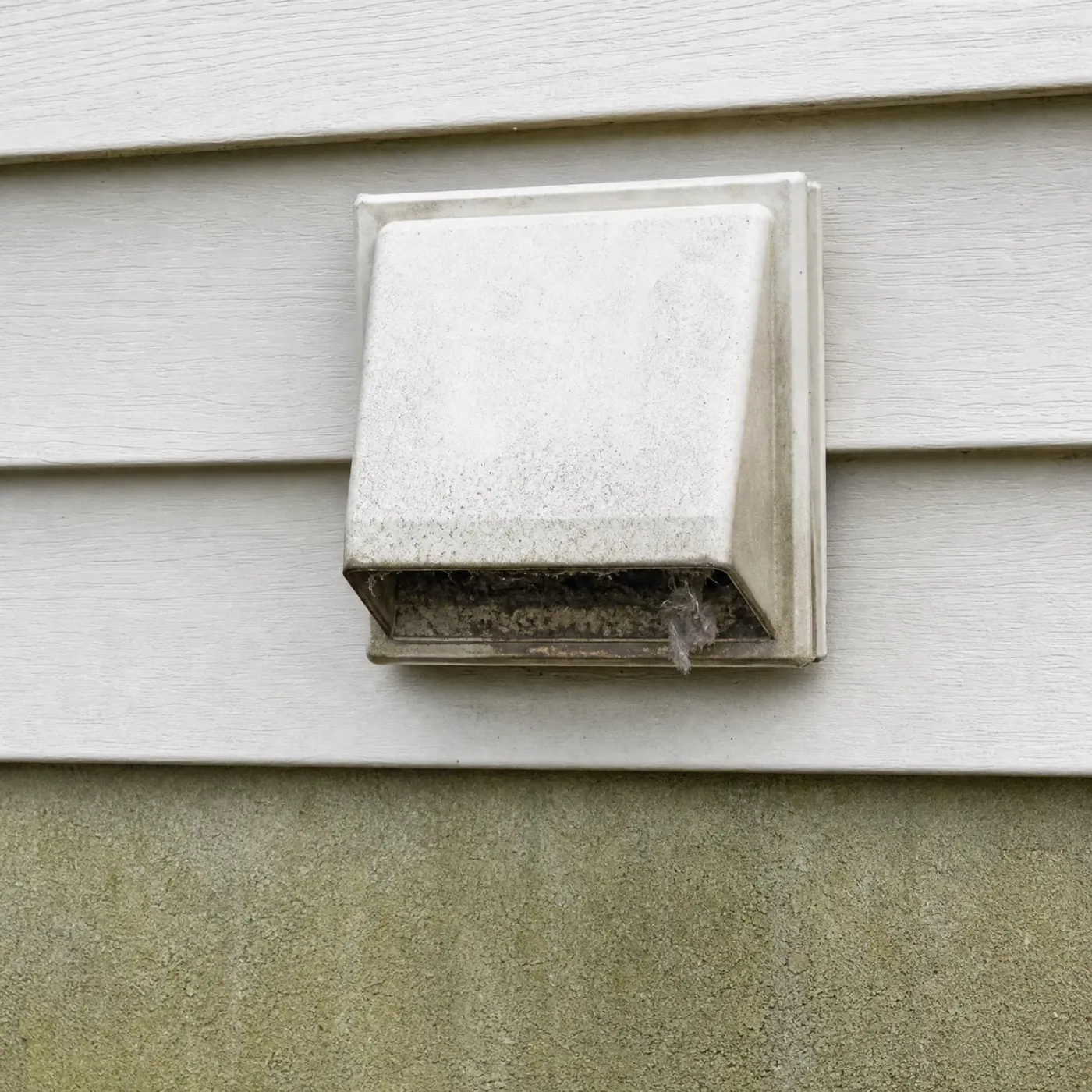
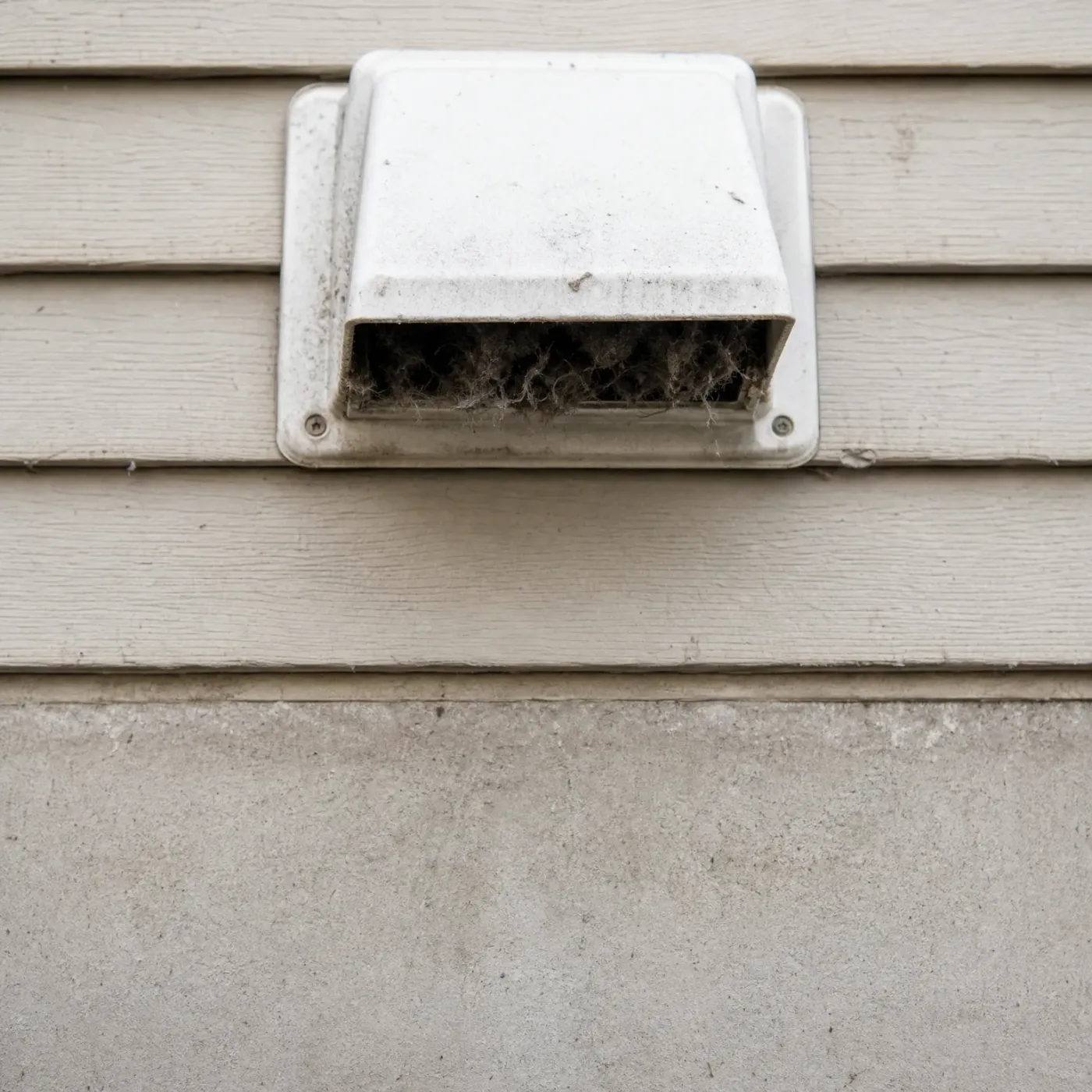
Here the flap can't close all the way because lint is wedged in the opening. That lint sits right where hot, moist air is trying to escape. Instead it backs up the duct, and the dryer keeps heating against a blockage that only gets denser.


A licensed pro who works in Mecklenburg County gets your request.
No fee to send it, and nothing to sign.

Your dryer sits against a wall, probably in a closet or a small laundry room, with the vent running through that wall and out to the roof or the siding. You don't see the duct and you don't think about it until wash day piles up. A clogged one doesn't announce itself. It just means lint is sitting somewhere in that run, close to the heat, every time you start a load.
Finding someone to check it is its own chore. You'd be calling around, explaining the same thing to three different companies, then sitting with quotes trying to guess who actually knows vent work versus who just wants the job. Request service through this page and that part goes away. You get matched with one licensed contractor near Charlotte who deals with this duct work all the time and already knows what a clogged run looks like before they pull the cap off.


It's a Tuesday evening and you're three loads behind. The dryer's been running for almost an hour on a batch of towels that should have taken forty minutes, and when you open the door they're still damp at the center, warm to the touch but not dry. You pile them on top of the dryer anyway, telling yourself you'll run them again after dinner. The laundry room is warmer than it should be, and the air smells faintly scorched, like dust on a heater. You don't think much of it. You just start the next load.
With 2.44 people in the average household here, your dryer isn't running one or two loads a week, it's running towels, sheets and everyone's clothes on top of that. Every load pushes more lint into the vent, so a house like yours fills it faster than a single person living alone ever would.
ACS 2020-2024
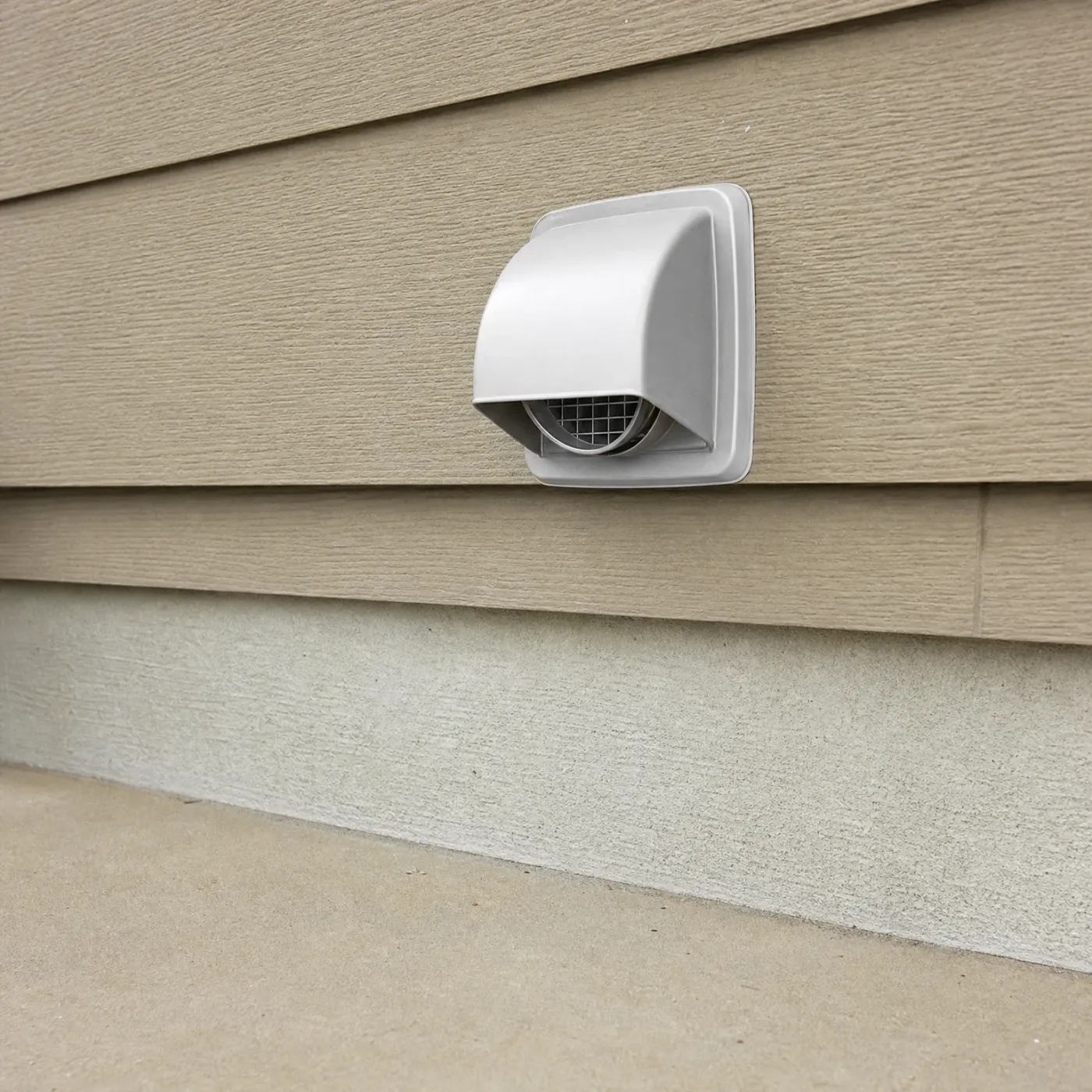
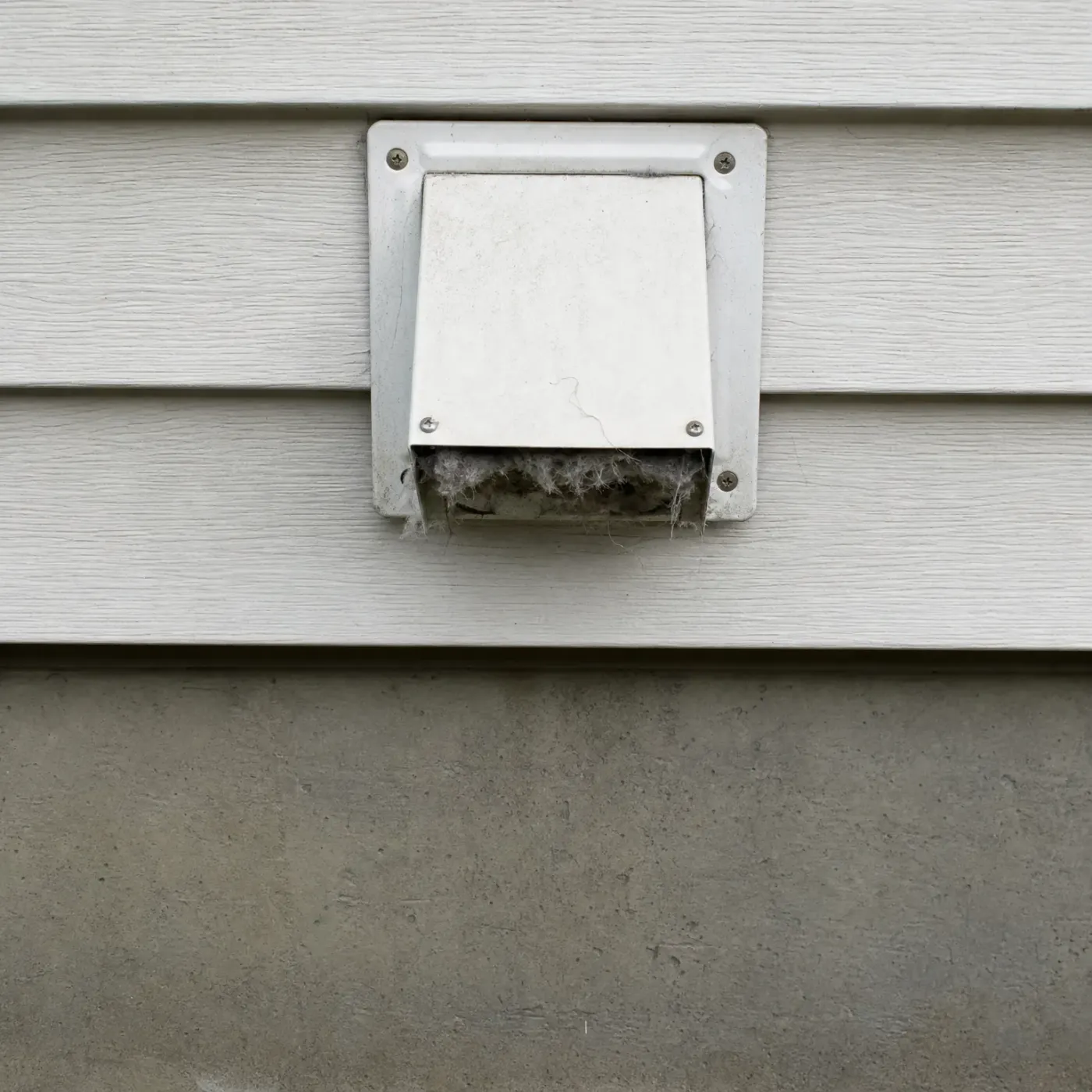
A clogged dryer vent is a fire risk in your house, the same as it is anywhere else. The lint that builds up inside the duct sits right next to the heating element or gas burner, and once airflow slows down, that heat has nowhere to go. Your dryer tells you when this is happening. A load that should take forty minutes and still leaves clothes damp after an hour, or a dryer that's hot to the touch when it shouldn't be, means air isn't moving through the duct the way it needs to. Outside, the vent cap tells the same story. A clean cap hangs loose with a flap that swings open when the dryer runs, pushing air out hard. A clogged one has lint built up at the flap until it can't close all the way, which means the duct is holding onto heat and moisture instead of letting it out. How fast this happens depends on how much laundry runs through your house. A household of two or more puts more loads through the dryer every week than someone living alone, and every one of those loads adds more lint to the duct. None of this is complicated once you know what to check, but the fix is the same either way. Clearing the duct takes the fuel away from the heat source, which is the part of this that actually matters.




Describe it once
Your dryer vent cleaning request goes to one local pro.

